
The Iran-US conflict escalates once again as the United States launched a fresh wave of military strikes on Iranian targets, prompting Tehran to retaliate by targeting three Gulf nations hosting American military assets. The renewed exchange has shattered hopes of a lasting ceasefire and heightened fears that the Middle East could be on the brink of a wider regional war.
According to U.S. military officials, American forces carried out strikes on approximately 90 Iranian military-related targets, describing the operation as a response to continued Iranian attacks on commercial shipping and regional security interests. Iran responded by launching missiles and drones toward U.S.-linked military facilities across Gulf states, significantly increasing tensions across the Persian Gulf.
Why Did the United States Launch Fresh Strikes?
The latest American military operation follows days of escalating confrontations in and around the Strait of Hormuz, one of the world’s most strategically important shipping lanes.
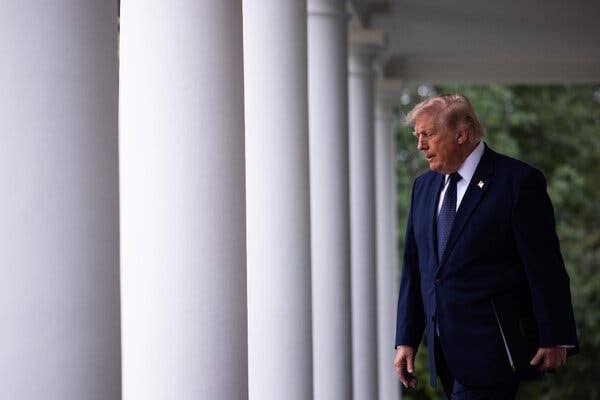
U.S. officials stated that Iranian-backed attacks on commercial vessels and threats to international maritime traffic necessitated another round of precision strikes. President Donald Trump indicated that while diplomatic talks remain possible, military retaliation would continue if American interests were threatened.
Military footage released by U.S. Central Command reportedly showed attacks against missile launch facilities, airfields, radar installations, and military infrastructure inside Iran.
Tehran Retaliates Against Three Gulf Nations
Iran responded within hours by targeting military facilities associated with the United States across Gulf countries.
Reports indicate Iranian missiles and drones were launched toward American military installations located in:
- Bahrain
- Kuwait
- Qatar
Some reports also mentioned attempted strikes involving U.S. facilities in Jordan, although Gulf nations remained the primary focus of Tehran’s retaliation. Regional air defense systems intercepted many incoming missiles, limiting damage in several locations.
Iran maintained that its attacks were directed solely at U.S. military assets rather than civilian populations, arguing that countries hosting American forces could no longer remain outside the conflict.
Strategic Importance of the Gulf
The Persian Gulf remains central to global energy security.
The region hosts numerous American military bases designed to:
- Protect international shipping
- Secure energy supply routes
- Support regional allies
- Deter Iranian military activities
Any attack involving Bahrain, Kuwait, or Qatar immediately raises concerns about global oil markets because these countries lie close to the Strait of Hormuz, through which a significant portion of the world’s crude oil passes every day.
Security analysts warn that prolonged military exchanges could disrupt shipping traffic, increase insurance costs for commercial vessels, and push global energy prices higher.
Impact on Global Oil Markets
Financial markets closely monitored the renewed fighting.
Oil prices have reacted sharply whenever military activity threatens the Strait of Hormuz. Even without a complete closure of the waterway, uncertainty alone often creates volatility across energy markets.
Energy experts believe prolonged instability could affect:
- Global fuel prices
- International shipping costs
- Inflation in energy-importing nations
- Supply chains across Europe and Asia
Several Gulf governments have urged restraint while simultaneously strengthening their air defense capabilities.
Diplomatic Efforts Face New Challenges
The renewed strikes have complicated ongoing diplomatic efforts.
Although Washington continues to signal that negotiations remain possible, Tehran argues that continued American military operations undermine any prospects for meaningful talks.
Regional mediators including Oman, Qatar, and Turkey have repeatedly encouraged both sides to return to diplomacy instead of expanding military operations. International organizations have also called for immediate de-escalation to prevent a broader regional conflict.
Military Balance Continues to Shift
The latest confrontation demonstrates that neither side appears willing to back down.
The United States maintains overwhelming air power, advanced surveillance capabilities, and a large military presence throughout the Middle East.
Iran, meanwhile, continues relying on:
- Ballistic missiles
- Drone warfare
- Regional military partnerships
- Maritime pressure around the Strait of Hormuz
Rather than engaging in large-scale conventional warfare, Tehran appears focused on imposing costs through asymmetric military tactics.
International Reactions
Governments around the world have expressed concern over the growing confrontation.
European allies have urged restraint while emphasizing the need to preserve maritime security.
Gulf Cooperation Council members remain particularly concerned that continued fighting could spread beyond military targets and threaten civilian infrastructure, airports, ports, and energy facilities.
Meanwhile, international shipping companies continue evaluating security risks before routing vessels through the Gulf.
Humanitarian Concerns
Beyond military developments, humanitarian organizations warn that continued conflict could have serious civilian consequences.
Repeated airstrikes increase risks to:
- Civilian infrastructure
- Medical services
- Transportation networks
- Energy facilities
Aid agencies have also raised concerns about displacement should hostilities continue expanding across the region.
What Happens Next?
Several possible scenarios remain under discussion among analysts.
The first involves continued limited military exchanges, with both countries targeting strategic military assets while avoiding a full-scale invasion.
A second possibility involves renewed diplomatic negotiations if both governments determine that further escalation carries unacceptable economic and political costs.
The most concerning scenario would involve direct participation by additional regional actors, transforming the conflict into a much broader Middle East war.
Much will depend on future military actions around the Strait of Hormuz and whether either side chooses further retaliation.
Conclusion
The latest escalation marks another dangerous chapter in the ongoing Iran-U.S. confrontation. American strikes targeting Iranian military infrastructure have been met with Tehran’s retaliation against Gulf nations hosting U.S. forces, pushing regional tensions to one of their highest levels in recent years.
While both governments continue leaving the door open for diplomacy, ongoing military operations suggest that immediate de-escalation remains uncertain. As energy markets, regional governments, and global leaders closely monitor developments, the coming days could prove decisive in determining whether the crisis stabilizes or expands into a much wider conflict. (AP News)
Internal Link Statement
Read also: Elon Musk Backs Rupert Lowe as ‘Britain’s Last Hope’ During US Visit to explore how Musk’s latest political endorsement is fueling debate over conservative leadership in Britain and its international implications.