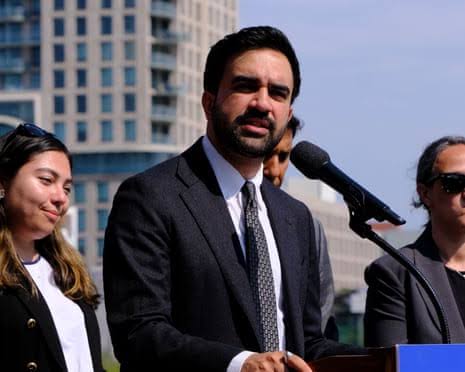
Zohran Mamdani’s comments on Israeli Prime Minister Benjamin Netanyahu have sparked a major political debate across the United States, placing the New York politician at the center of conversations about U.S. foreign policy, Israel, and the future direction of the Democratic Party.
The controversy surrounding Mamdani’s comments on Netanyahu reflects broader divisions within American politics. Supporters argue that his statements represent growing demands for a different approach to U.S. involvement in international affairs, while critics say his views challenge long-standing positions held by many American lawmakers regarding Israel.
As discussions continue, Mamdani’s remarks have gained national attention, highlighting the increasingly complex debate over the Israel-Palestine conflict and the role of American politicians in addressing global issues.
Who Is Zohran Mamdani?
Zohran Mamdani is a New York politician known for his progressive political views and his focus on issues such as housing affordability, economic inequality, and social justice. He has built a reputation as a rising voice among younger progressive Democrats.
Mamdani has frequently spoken about international issues, including U.S. foreign policy and human rights concerns. His positions have attracted strong support from progressive activists but have also drawn criticism from political opponents who disagree with his approach.
His comments about Benjamin Netanyahu have brought renewed attention to his political identity and his views on one of the most sensitive foreign policy issues in the United States.
What Did Mamdani Say About Netanyahu?
The discussion around Mamdani’s comments on Netanyahu centers on his criticism of the Israeli prime minister’s policies and his broader views on the Israeli government’s actions.
Mamdani has expressed concerns about Netanyahu’s leadership, particularly regarding the Israeli-Palestinian conflict and humanitarian issues connected to the war in Gaza. His statements have been interpreted by supporters as criticism of government policies rather than opposition toward a country or its people.
However, critics argue that comments targeting Netanyahu and Israeli policies require careful consideration because discussions about Israel often become part of a larger political and cultural debate in the United States.
The reaction demonstrates how statements by American politicians about foreign leaders can quickly become national political issues.
Why Are Mamdani’s Netanyahu Remarks Receiving National Attention?
Several factors explain why the issue has become a major headline across the U.S.
1. Growing Debate Within the Democratic Party
The Democratic Party has experienced increasing disagreements over how the United States should approach Israel-related issues. While many Democratic leaders continue to support strong U.S.-Israel relations, progressive members have called for changes in American policy.
Mamdani’s position aligns with a group of politicians and activists who want greater emphasis on human rights, civilian protection, and accountability in foreign policy decisions.
2. Netanyahu’s Global Political Importance
Benjamin Netanyahu remains one of the most recognizable political figures in the world. As Israel’s longest-serving prime minister, his decisions and policies have generated debate internationally.
Any criticism involving Netanyahu often receives significant attention because of Israel’s close relationship with the United States and the importance of the Middle East in American foreign policy.
3. Social Media Amplification
Social media has played a major role in spreading reactions to Mamdani’s remarks. Supporters and critics have shared clips, statements, and opinions, creating a wider national discussion.
Political debates that once remained within local communities can now quickly become national conversations, especially when they involve controversial figures and international issues.
Supporters Defend Mamdani’s Position
Mamdani’s supporters argue that his comments reflect a willingness to discuss difficult issues that many politicians avoid.
They believe elected officials should be able to criticize foreign leaders and government policies while still supporting peaceful solutions and human rights.
Progressive activists have praised Mamdani for raising concerns about civilian suffering and calling attention to issues they believe deserve more discussion in American politics.
For supporters, the controversy represents a larger movement toward changing how politicians discuss U.S. foreign policy.
Critics Raise Concerns Over His Statements
Opponents of Mamdani have criticized his comments, arguing that his approach could damage relationships between political groups and communities.
Some critics believe discussions about Israel require a balanced approach that recognizes security concerns alongside humanitarian issues.
The debate has also highlighted a challenge faced by many politicians: how to address international conflicts without creating further divisions at home.
Impact on U.S. Politics
The controversy surrounding Mamdani’s comments on Netanyahu is part of a larger shift in American political discussions.
Younger voters and progressive activists have increasingly questioned traditional foreign policy positions, while established political leaders often emphasize maintaining diplomatic partnerships.
The issue may influence future political campaigns, particularly in areas where voters are divided over foreign policy issues.
Mamdani’s growing national profile also shows how local politicians can become influential voices in broader political debates.
Israel Policy Debate in the United States
The United States has historically maintained a strong alliance with Israel, including military, diplomatic, and economic cooperation. However, recent conflicts have intensified discussions about the future of that relationship.
American lawmakers continue to debate issues such as military assistance, diplomatic strategies, regional security, and humanitarian concerns.
Mamdani’s remarks have become part of this wider conversation, representing the ongoing debate over how the U.S. should balance support for allies with concerns about government actions.
What This Means for Mamdani’s Political Future
The attention surrounding Mamdani’s statements could shape his political future in several ways.
For supporters, the controversy may strengthen his reputation as a politician willing to challenge traditional viewpoints. For critics, it may raise questions about his approach to foreign policy.
As national conversations about Israel, Palestine, and U.S. diplomacy continue, Mamdani is likely to remain a figure closely watched by both progressive supporters and political opponents.
Conclusion
Why Mamdani’s comments on Netanyahu are making headlines across the U.S. is connected to much larger debates about American politics, foreign policy, and changing views within the Democratic Party.
His remarks have sparked strong reactions because they touch on one of the most debated international issues in modern politics. While supporters see his statements as an important challenge to traditional approaches, critics argue that the conversation requires greater balance.
Regardless of political opinions, the controversy shows that discussions about Israel and U.S. foreign policy remain powerful forces shaping political conversations across America.
As debates continue, Mamdani’s comments on Netanyahu will likely remain part of the broader national discussion about the future of American politics and its role in global affairs.
For more details about Frank Bisignano’s leadership at the Social Security Administration, official role, and how beneficiaries can understand SSA communications, read our complete guide on “Frank Bisignano Social Security Email: Contact Information, SSA Role, and Latest Updates.”