John Fetterman Filibuster Position Change: A Major Shift in Senate Strategy
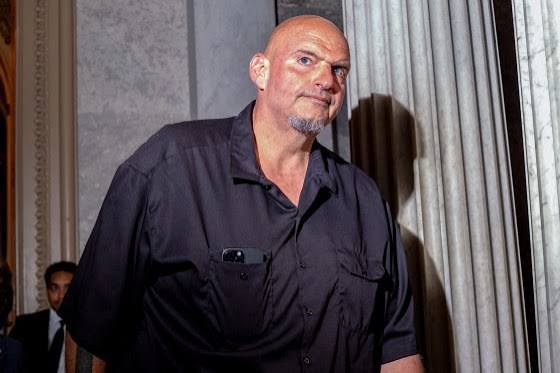
The John Fetterman filibuster position change has drawn significant attention in Washington as the Pennsylvania senator’s views on one of the Senate’s most debated procedures continue to evolve. Known for his independent political style and willingness to challenge members of his own party, John Fetterman has taken a different approach to the filibuster debate compared with many Democratic lawmakers.
The Senate filibuster has long been a central issue in discussions about legislative reform. Supporters argue that it encourages bipartisan cooperation, while critics say it allows a minority of senators to block important legislation. Fetterman’s changing position reflects the broader Democratic debate over whether the Senate should preserve, reform, or eliminate the filibuster.
What Is the Senate Filibuster?
The filibuster is a Senate procedure that allows lawmakers to extend debate and delay a vote on legislation. Under current Senate rules, most major bills require 60 votes to overcome a filibuster and move forward, even though only a simple majority is needed to pass legislation.
For years, both parties have used the filibuster as a powerful political tool. Democrats have criticized it when it has blocked voting rights, climate legislation, and other priorities, while Republicans have defended it as a protection for minority viewpoints.
The debate became especially intense after Democrats gained narrow control of the Senate, leading some lawmakers to call for eliminating the filibuster and allowing legislation to pass with a simple majority.
John Fetterman’s Earlier View on the Filibuster
During his Senate campaign and early time in office, John Fetterman was generally viewed as a lawmaker who valued Senate traditions while also supporting certain reforms. Unlike some progressive Democrats who strongly pushed for ending the filibuster, Fetterman expressed more caution about completely removing the rule.
His position reflected his broader political identity. Fetterman has often presented himself as a practical Democrat focused on working-class voters and problem-solving rather than strict party ideology.
The senator has argued that the Senate requires some level of cooperation between both parties. From this perspective, the filibuster can serve as a mechanism that encourages negotiation and prevents sudden changes based only on temporary political majorities.
Why Did John Fetterman Change His Filibuster Position?
The John Fetterman filibuster position change is connected to several political developments and shifting priorities in Washington.
One major factor is the changing political environment. Senate control frequently changes between parties, and lawmakers must consider how rules created today could affect their party when they become the minority.
Fetterman has emphasized the importance of consistency in Senate rules. He has expressed concerns that eliminating the filibuster could create a system where major policies are easily reversed whenever a different party gains power.
At the same time, Fetterman has shown willingness to support exceptions to the filibuster in specific situations. Like other senators, he has recognized that some issues may require different approaches depending on national priorities.
Fetterman’s Independent Approach Creates Attention
John Fetterman’s political style often separates him from traditional party expectations. Since entering the Senate, he has taken positions that sometimes differ from members of his own party.
His approach has made him a significant figure in Senate discussions because his vote can become important when Democrats have a narrow majority. In closely divided chambers, individual senators can have substantial influence over major policy decisions.
The filibuster debate highlights this influence. A single senator’s position can affect whether Senate rules remain unchanged or whether lawmakers pursue major procedural reforms.
Impact of Fetterman’s Position on Senate Politics
The senator’s stance has implications beyond his own political career. The filibuster remains one of the biggest disagreements between moderate and progressive Democrats.
Progressive lawmakers argue that the filibuster prevents the Senate from responding effectively to public demands. They believe important reforms should not require support from 60 senators in a chamber designed to require only a simple majority.
Moderate Democrats, however, often argue that removing the filibuster could create long-term instability. They worry that future majorities could pass sweeping legislation without meaningful compromise.
Fetterman’s position places him closer to lawmakers who prefer maintaining Senate procedures while considering targeted changes when necessary.
How Republicans View the Filibuster Debate
Republicans have generally defended the filibuster, arguing that it protects minority rights in the Senate. They point out that both parties have benefited from the rule at different points in American history.
When Democrats have controlled the Senate, Republicans have used the filibuster to challenge Democratic priorities. When Republicans have held power, Democrats have used similar strategies.
This history has made the filibuster debate highly partisan, with each side often supporting or opposing the rule depending on their position in government.
Could John Fetterman Change His Position Again?
Political positions can evolve, especially as circumstances change. The future of Fetterman’s filibuster views could depend on Senate control, upcoming elections, and major legislative battles.
If Democrats or Republicans gain stronger Senate majorities, pressure could increase on lawmakers to reconsider procedural rules. Fetterman has shown that he is willing to adapt his views based on political realities and policy concerns.
However, his focus on maintaining institutional stability suggests that any future changes would likely be carefully considered rather than driven purely by party pressure.
Conclusion: The Meaning Behind John Fetterman’s Filibuster Position Change
The John Fetterman filibuster position change represents a larger debate about the future of the United States Senate. His approach reflects the challenges faced by lawmakers trying to balance party goals, Senate traditions, and long-term political consequences.
While some senators believe the filibuster is an outdated obstacle, others see it as an important safeguard for minority voices. Fetterman’s evolving position shows how lawmakers must navigate complex decisions in a deeply divided political environment.
As Senate battles continue, his stance on the filibuster will remain an important topic for understanding the future direction of American legislative politics.
Learn more about the senator’s background, early life, political journey, Senate responsibilities, financial profile, and personal details in our detailed guide on John Fetterman: Biography, Political Career, Senate Role, Net Worth and Personal Life.