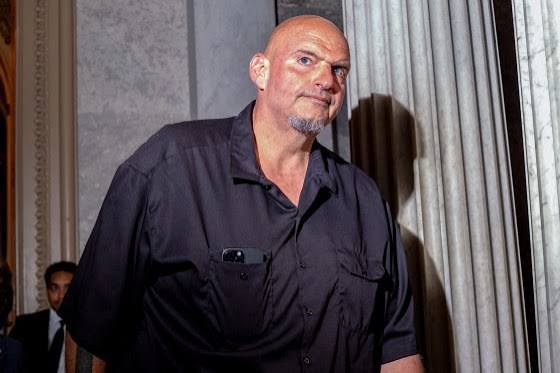
The Fetterman filibuster debate has attracted attention as lawmakers and political observers continue discussing the future of the Senate’s most controversial procedural tool. Senator John Fetterman has become a notable voice in discussions surrounding the filibuster, Senate cooperation, and whether the rule helps or harms American democracy.
The filibuster has long been a major part of Senate politics. Supporters argue that it encourages compromise by requiring broad agreement before major legislation can pass. Critics say it allows a minority of senators to block popular policies and creates unnecessary gridlock.
As political divisions deepen in Washington, Fetterman’s views on the filibuster have become part of a larger national conversation about how the Senate should function.
What Is the Senate Filibuster?
The filibuster is a Senate procedure that allows senators to extend debate on legislation and delay a final vote. Traditionally, ending a filibuster required 60 votes through a process known as cloture.
Unlike the House of Representatives, where a simple majority can usually pass legislation, the Senate’s rules often require larger coalitions. This has made the filibuster one of the most powerful tools available to the minority party.
Over the years, both Democrats and Republicans have used the filibuster to block legislation when they lacked enough votes to defeat a proposal through a simple majority.
Supporters believe the rule protects minority viewpoints and prevents sudden changes in federal policy. Opponents argue it gives too much power to a small group of senators and prevents elected majorities from delivering on campaign promises.
John Fetterman’s Approach to the Filibuster Debate
John Fetterman has developed a reputation as a senator who often challenges traditional party expectations. His position on the filibuster has received attention because he has not always aligned with the strongest voices on either side of the debate.
Many progressive Democrats have called for eliminating the filibuster to make it easier to pass legislation on issues such as voting rights, climate policy, and healthcare. However, Fetterman has expressed concerns about changing Senate rules without considering the long-term consequences.
His approach reflects a broader argument that Senate procedures should encourage negotiation rather than increase political division.
The Fetterman filibuster discussion is not only about one senator’s opinion but also about the larger question of whether the Senate should prioritize compromise or majority rule.
Why the Filibuster Has Become Controversial
The debate over the filibuster has intensified in recent years because many major legislative efforts have faced Senate obstacles.
Critics argue that the filibuster has contributed to legislative delays and prevented action on issues supported by a majority of Americans. They point to examples where bills have passed the House but failed to advance in the Senate because they could not reach the required vote threshold.
Supporters respond that the Senate was designed to slow down decision-making and encourage bipartisan solutions. They argue that removing the filibuster could allow narrow majorities to make major changes without sufficient debate.
This disagreement has made the filibuster one of the biggest institutional debates in modern American politics.
Fetterman’s Role in Senate Politics
Since joining the Senate, Fetterman has positioned himself as an independent-minded Democrat willing to challenge both political parties when he believes it is necessary.
His communication style and policy positions have frequently attracted national attention. Unlike some lawmakers who strictly follow party leadership, Fetterman has emphasized his willingness to consider different perspectives.
This approach has made his views on Senate rules especially significant. In a closely divided Senate, individual senators can have substantial influence over whether procedural changes move forward.
The Fetterman filibuster issue highlights how individual lawmakers can shape national debates beyond their own states.
Filibuster Reform and the Future of the Senate
The future of the filibuster remains uncertain. Some lawmakers support reforms that would limit its use rather than eliminate it completely. Possible changes could include requiring senators to actively debate on the Senate floor or creating exceptions for specific types of legislation.
Others believe the Senate should return to a simpler majority voting system where 51 senators can approve legislation.
Fetterman’s position represents a key part of this ongoing discussion. His views demonstrate the difficulty lawmakers face when balancing party goals, institutional traditions, and public expectations.
As control of Congress changes between parties, the filibuster debate is likely to remain a major political issue.
How the Filibuster Affects American Politics
The filibuster has influenced some of the biggest policy debates in Washington. From judicial confirmations to economic legislation, the rule has shaped what can and cannot pass through the Senate.
Supporters say it prevents political extremes by requiring negotiation. Critics argue that it creates a system where important issues remain unresolved despite public support.
For voters, the debate raises a fundamental question: Should democracy focus on majority rule or require broader agreement before major decisions are made?
The answer depends largely on political priorities and views about how government should operate.
Conclusion: The Importance of the Fetterman Filibuster Debate
The Fetterman filibuster debate represents a larger discussion about the future of the US Senate and the balance between compromise and effective governance.
John Fetterman’s views have drawn attention because they reflect the challenges facing lawmakers in a deeply divided political environment. While some senators support eliminating the filibuster, others believe maintaining Senate traditions is necessary for stability.
As Washington continues to debate potential reforms, the filibuster will remain a central issue in American politics. The discussion surrounding Fetterman’s position shows how one senator’s approach can influence a much larger national conversation about democracy, representation, and the role of the Senate.