
Table of Contents
ToggleIntroduction
Communism is one of the most influential—and controversial—political and economic ideologies in modern history. Supporters argue that it seeks equality by eliminating class divisions, while critics point to authoritarian governments and economic failures associated with communist states. Understanding communism meaning simple, how it differs from socialism, and the historical debates surrounding communist governments is essential for anyone studying politics, economics, or world history.
What Is Communism?
Communism is a political and economic ideology that advocates for a society where the means of production—such as factories, land, and natural resources—are owned collectively rather than by private individuals. The goal is to create a classless society where wealth is distributed according to need rather than individual ownership.
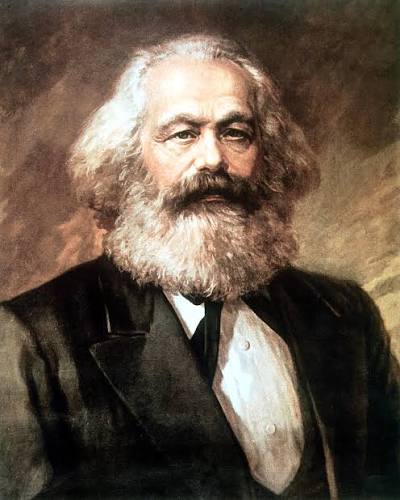
The modern theory of communism was developed primarily by Karl Marx and Friedrich Engels in The Communist Manifesto (1848). Marx believed capitalism would eventually be replaced through a workers’ revolution, leading first to socialism and ultimately to a fully communist society.
Communism Meaning Simple
If you’re looking for a simple definition, communism is a system where major property, industries, and businesses are owned collectively instead of by private individuals, with the goal of creating economic equality.
The basic principles include:
- Everyone contributes according to their abilities.
- Everyone receives according to their needs.
- There are no social classes.
- Private ownership of major industries is eliminated.
While this is the theoretical goal, countries that identified as communist have generally been governed by strong centralized states rather than achieving Marx’s vision of a stateless society.
History of Communism
Communist ideas became politically significant during the 19th century after the Industrial Revolution exposed growing inequalities between factory owners and workers.
Some important historical milestones include:
- 1848 – The Communist Manifesto is published.
- 1917 – The Russian Revolution leads to the creation of the Soviet Union.
- 1949 – The Chinese Communist Party wins the Chinese Civil War.
- During the Cold War, communist governments spread across Eastern Europe, Cuba, Vietnam, North Korea, and Laos.
- 1991 – The Soviet Union collapses, marking a major turning point in world politics.
Today, China, Cuba, Vietnam, Laos, and North Korea continue to be governed by communist parties, although several now operate mixed-market economies.
Socialism and Communism
Many people confuse socialism and communism, but they are different political and economic systems.
Both aim to reduce economic inequality and increase public ownership of important industries. However, socialism generally allows private businesses and democratic institutions to continue operating, while communism seeks collective ownership of nearly all productive property and ultimately a classless society.
Socialist countries often combine market economies with government welfare programs, whereas historical communist governments relied heavily on central economic planning.
Difference Between Socialism and Communism
The difference between socialism and communism can be summarized in several key ways.
Socialism allows some private ownership, while communism seeks to eliminate major private ownership.
Socialism often exists within democratic governments, whereas most historical communist states were ruled by a single political party.
Socialist economies combine markets with government regulation, while communist economies traditionally relied on central planning.
Socialism focuses on reducing inequality, while communism aims to eliminate social classes altogether.
Socialist reforms are usually gradual, whereas communist theory originally envisioned revolutionary change.
How Does a Communist Economy Work?
Traditional communist economies are based on central planning rather than market competition.
Government planners decide what goods should be produced, how much should be produced, worker wages, product prices, and how resources should be distributed.
Supporters believe this system reduces inequality and unemployment while ensuring that everyone has access to essential services.
Critics argue that central planning often limits innovation, reduces consumer choice, and creates shortages because production does not always reflect consumer demand.
Advantages of Communism
Supporters argue that communism offers several potential benefits.
It seeks to reduce income inequality by distributing wealth more evenly.
Many communist governments have provided universal healthcare, education, housing, and guaranteed employment.
Economic planning can prioritize infrastructure, education, healthcare, and long-term development instead of maximizing private profits.
These ideas continue to influence political debates around the world.
Criticisms of Communism
Communism has also received significant criticism from historians, economists, and political scientists.
Common criticisms include:
- Limited political freedom
- One-party rule
- Restrictions on free speech
- Lack of competitive markets
- Reduced incentives for innovation
- Economic inefficiency
- Food shortages in some historical cases
Many analysts argue that these challenges contributed to the collapse of several communist governments during the late twentieth century.
How Many People Has Communism Killed?
One of the most debated historical questions is how many people has communism killed.
There is no universally accepted number. Estimates vary widely because historians disagree on which deaths should be attributed directly to communist governments. Some estimates include famine, forced labor, political executions, and other forms of state repression, while others use narrower definitions.
A widely cited estimate of around 100 million deaths comes from The Black Book of Communism. However, many historians have criticized aspects of that estimate and argue that the methodology is debated. Other scholars present lower estimates or emphasize examining each historical event individually instead of relying on one global figure.
Among the major historical tragedies often discussed are Stalin’s Great Purge, Soviet famines, Mao Zedong’s Great Leap Forward, the Cambodian genocide under the Khmer Rouge, and political repression in several communist states.
The exact historical death toll remains the subject of ongoing academic research and debate.
Communism Today
Modern communist governments differ significantly from the original ideas proposed by Karl Marx.
China combines communist political leadership with a market-oriented economy.
Vietnam has introduced major economic reforms while maintaining communist party rule.
Cuba has gradually expanded private business in certain sectors.
North Korea follows its own centralized political system with limited market reforms.
Because of these differences, modern communist countries often look very different from Marx’s original vision of communism.
Frequently Asked Questions
Is communism the same as socialism?
No. Socialism generally allows some private ownership and often functions within democratic systems. Communism seeks collective ownership of major productive property and aims for a classless society.
Who created communism?
Karl Marx and Friedrich Engels developed the modern theory of communism through The Communist Manifesto, published in 1848.
Has a true communist society ever existed?
Many historians argue that no country has fully achieved Marx’s vision of a stateless, classless communist society. Most governments described as communist have maintained strong central states.
Why is communism controversial?
Supporters praise communism for promoting equality and universal access to essential services. Critics point to authoritarian governments, economic inefficiencies, and human rights abuses associated with several historical communist regimes.
Conclusion
Communism has shaped modern history more than almost any other political ideology. From the writings of Karl Marx to the rise of the Soviet Union and the emergence of modern China, communist ideas have influenced revolutions, economies, and international politics.
Understanding communism meaning simple, the relationship between socialism and communism, the difference between socialism and communism, and the historical debate surrounding how many people has communism killed provides a balanced perspective on one of the world’s most influential ideologies. While communism’s ideals focus on equality and collective ownership, its implementation has produced widely varying outcomes, making it one of the most debated political systems in history.