The Trump Gordie Howe Bridge dispute has become one of the most closely watched political and infrastructure stories in North America. What was originally celebrated as a landmark project connecting the United States and Canada has instead turned into a diplomatic and political controversy involving trade, ownership, border security, and election-year politics.
The Gordie Howe International Bridge, linking Detroit, Michigan, and Windsor, Ontario, was designed to strengthen one of the busiest commercial trade corridors in the world. However, President Donald Trump’s opposition to the bridge’s opening—and later delays surrounding its inauguration—sparked intense debate on both sides of the border.
This article explains the origins of the dispute, why Trump opposed the bridge, how Canada responded, and what the controversy means for trade, businesses, and U.S.-Canada relations.
What Is the Gordie Howe International Bridge?
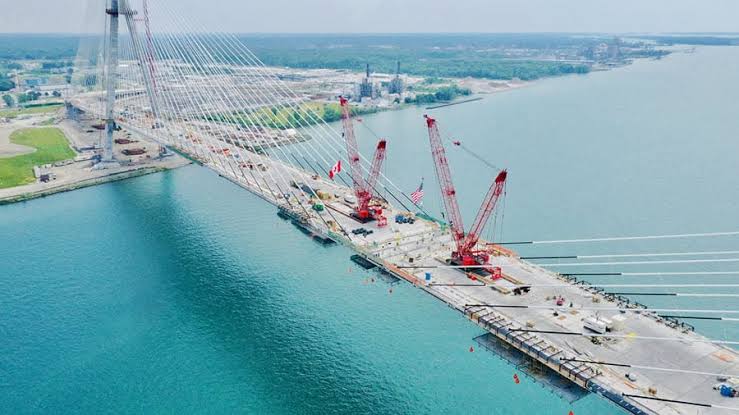
The Gordie Howe International Bridge is a six-lane international bridge crossing the Detroit River between Detroit and Windsor. Named after legendary hockey player Gordie Howe, the project has been under construction since 2018.
The bridge was designed to:
- Improve traffic flow between the U.S. and Canada
- Reduce congestion at the aging Ambassador Bridge
- Strengthen North American supply chains
- Increase trade efficiency
- Support manufacturing industries, especially the automotive sector
The project cost roughly $4.7 billion, with Canada financing most of the construction through a long-term agreement that expects costs to be recovered via toll revenue.
Why Did Trump Object?
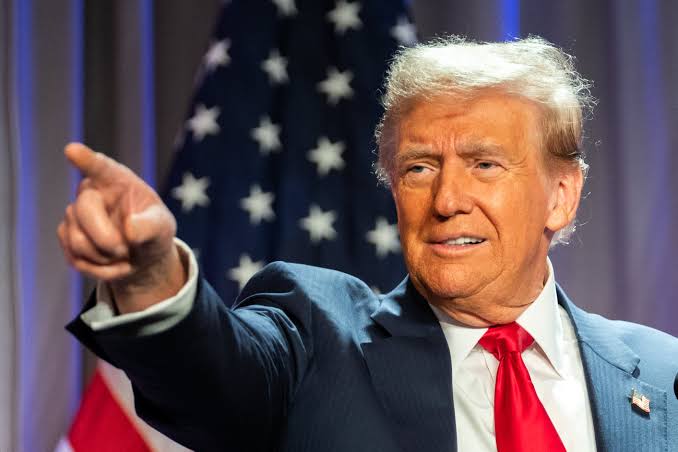
The Trump Gordie Howe Bridge dispute began after President Donald Trump publicly argued that the United States had not received a fair deal.
Trump claimed:
- Canada would receive the primary economic benefits.
- The U.S. deserved greater ownership.
- America should receive compensation.
- The bridge should not open until negotiations occurred.
In public statements, Trump suggested the United States should own at least 50% of the bridge before allowing it to begin operations.
The comments immediately drew national and international attention because construction was already nearly complete.
Canada’s Response
Canadian officials rejected Trump’s demands.
Government representatives emphasized that:
- Canada financed the project.
- Ownership arrangements had already been negotiated years earlier.
- The bridge serves both countries economically.
- Existing agreements should be respected.
Officials stressed that the project represented years of bipartisan cooperation between Canada, Michigan, and U.S. federal agencies rather than a new political negotiation.
Why the Bridge Matters Economically
The Detroit-Windsor crossing is among North America’s busiest commercial border points.
Every day, thousands of trucks transport:
- Automotive parts
- Consumer products
- Agricultural goods
- Industrial equipment
- Manufacturing supplies
The new bridge is expected to:
- Reduce delays
- Improve customs processing
- Increase freight capacity
- Create more reliable supply chains
- Support long-term economic growth
Economists note that faster border crossings reduce shipping costs while helping manufacturers on both sides of the border.
Delayed Opening Creates New Controversy
Although officials originally planned an opening ceremony in June 2026, the event was postponed.
Authorities announced that Canada and the United States agreed to delay the opening while resolving unspecified outstanding issues.
The announcement followed months of political uncertainty surrounding Trump’s earlier objections.
The delay frustrated businesses that had expected the bridge to begin relieving congestion immediately.
Political Fallout
The bridge quickly became an issue in Michigan politics.
Democratic Senate candidate Mallory McMorrow accused President Trump of delaying the project to benefit interests connected to the privately owned Ambassador Bridge.
Her campaign argued that the dispute reflected broader concerns about political influence and infrastructure policy.
Supporters of Trump rejected those accusations, while the controversy became part of the state’s competitive Senate campaign.
The Ambassador Bridge Connection
One reason the dispute attracted attention is the existence of the nearby Ambassador Bridge.
For decades, the Ambassador Bridge has handled much of the commercial traffic between Detroit and Windsor.
The Gordie Howe International Bridge would introduce major competition by providing:
- Additional traffic capacity
- Modern customs facilities
- Alternative freight routes
Some critics questioned whether economic interests connected to the existing crossing influenced political discussions, although no official findings have established wrongdoing. Reports noted scrutiny of political donations and meetings involving stakeholders.
Impact on Businesses
Manufacturers and logistics companies have followed the dispute closely.
Industries expected to benefit include:
- Automotive manufacturing
- Food distribution
- Retail supply chains
- Cross-border trucking
- Warehousing
Any prolonged delay can increase transportation costs while maintaining congestion at existing border crossings.
Trade experts generally agree that additional infrastructure capacity is essential as North American trade volumes continue growing.
Why Michigan Supports the Bridge
Michigan leaders from both political parties have consistently emphasized the bridge’s economic importance.
Supporters argue the project will:
- Create jobs
- Strengthen manufacturing
- Improve international trade
- Enhance border security
- Increase investment
State officials have repeatedly described the bridge as one of the most significant infrastructure investments in the region in decades.
Trade Relations Between the U.S. and Canada
The bridge dispute occurred during broader tensions between Washington and Ottawa over trade.
Trump has frequently criticized Canadian trade policies involving:
- Dairy products
- Steel
- Industrial manufacturing
- Tariffs
- Market access
The Gordie Howe Bridge became another symbol of those wider disagreements.
Despite political disputes, Canada remains one of America’s largest trading partners, with hundreds of billions of dollars in annual cross-border commerce.
What Happens Next?
Officials continue working toward resolving the remaining issues before opening the bridge.
Once operational, the crossing is expected to:
- Handle passenger vehicles
- Process commercial trucks
- Improve customs efficiency
- Support international tourism
- Reduce pressure on the Ambassador Bridge
Transportation experts believe the bridge will remain a critical piece of North American infrastructure regardless of the political controversy surrounding its opening.
Why This Story Matters
The Trump Gordie Howe Bridge dispute highlights how infrastructure projects can become intertwined with politics, diplomacy, and international trade.
While bridges are often viewed simply as transportation projects, they also represent economic partnerships, strategic investments, and long-term cooperation between neighboring countries.
The controversy has raised questions about:
- Infrastructure ownership
- Government negotiations
- Cross-border trade policy
- Political influence
- Economic competitiveness
As officials work toward opening the bridge, businesses, manufacturers, and travelers continue watching developments closely.
Final Thoughts
The Gordie Howe International Bridge was envisioned as a symbol of cooperation between the United States and Canada. Instead, it has become one of the most debated infrastructure projects of 2026.
President Donald Trump’s demands for greater U.S. ownership and compensation sparked a broader political dispute that delayed the bridge’s opening and fueled debate during a critical election year. Meanwhile, Canadian officials have maintained that existing agreements should be honored, and Michigan leaders continue to advocate for the bridge’s economic benefits.
Once the remaining issues are resolved, the bridge is expected to strengthen North American trade, improve supply chains, and provide long-term benefits for businesses and communities on both sides of the border. Whether remembered primarily for its engineering achievement or the political controversy surrounding its launch, the Trump Gordie Howe Bridge dispute has already secured a notable place in recent U.S.-Canada relations.