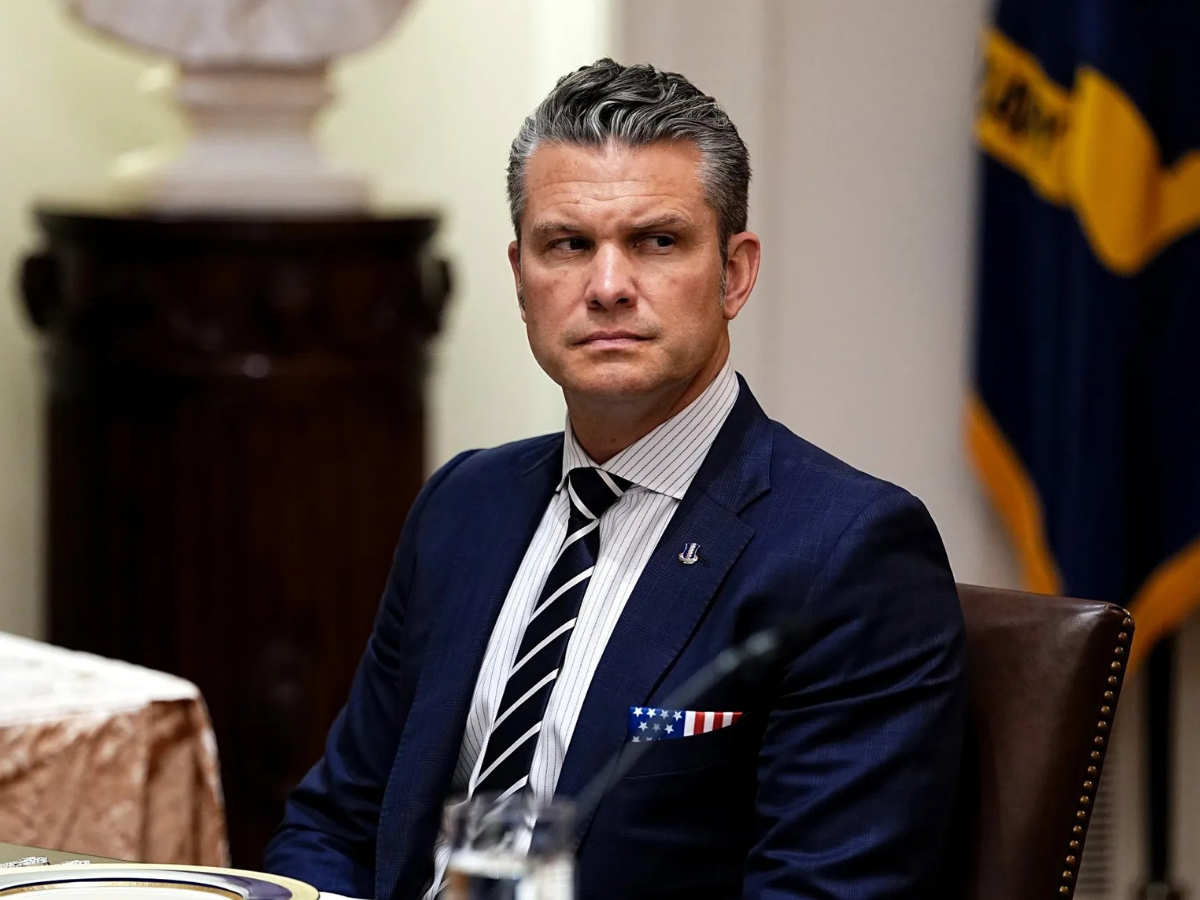
Pete Hegseth Military Grooming Policy has returned to the spotlight after the Pentagon reportedly accelerated enforcement of military grooming standards following Defense Secretary Pete Hegseth’s visit to a Navy vessel, where he observed sailors with unauthorized facial hair. The renewed emphasis on appearance standards reflects the Defense Department’s broader effort to reinforce discipline, readiness, and uniformity across all branches of the U.S. military.
According to multiple reports, Hegseth expressed frustration after seeing sailors who were not complying with existing grooming regulations. Senior Pentagon officials subsequently instructed military leaders to move more quickly in enforcing appearance standards, making the issue one of the department’s immediate personnel priorities.
Why the Pentagon Is Tightening Grooming Standards
The Pentagon’s renewed enforcement campaign is not introducing an entirely new policy. Instead, it focuses on ensuring commanders consistently apply existing military grooming regulations.
Defense Secretary Pete Hegseth has repeatedly argued that military appearance standards directly influence professionalism, discipline, and operational readiness. During previous addresses to senior military leadership, he emphasized that service members should maintain a “warrior ethos,” insisting that physical fitness, uniformity, and military bearing are essential parts of combat effectiveness.
Officials say commanders are now expected to identify violations more quickly and ensure corrective action occurs without unnecessary delays.
Navy Ship Visit Sparks Renewed Attention
The latest push reportedly began after Hegseth toured a Navy ship and noticed several sailors wearing beards despite existing grooming requirements.
According to reports, Pentagon leadership viewed the incident as evidence that enforcement had become inconsistent across some commands. Following the visit, senior officials discussed accelerating compliance efforts throughout the services.
Although military branches have long maintained detailed grooming regulations, implementation often varies depending on operational requirements, medical accommodations, and command oversight.
What Is Pete Hegseth’s Military Grooming Policy?
The Pete Hegseth Military Grooming Policy centers on stricter enforcement of existing Department of Defense appearance standards rather than creating an entirely new rulebook.
Key elements include:
- Clean-shaven faces for most service members.
- Limited medical shaving waivers.
- Religious accommodations considered under existing military policies.
- Neatly maintained mustaches where authorized.
- Consistent enforcement by commanding officers.
- Greater accountability for repeated non-compliance.
Pentagon officials argue that standardized appearance improves military discipline while ensuring equipment such as protective masks functions correctly when required.
Medical and Religious Exceptions
The policy does not eliminate every exception.
Service members may still qualify for:
- Medical shaving waivers, particularly for conditions such as pseudofolliculitis barbae.
- Religious accommodations consistent with federal law and military regulations.
However, reports indicate the Pentagon wants commanders to review these exemptions more carefully and ensure they are appropriately documented and periodically reassessed.
Why Grooming Standards Matter in the Military
Military organizations worldwide have long maintained strict appearance regulations for several reasons.
Supporters argue that standardized grooming:
- Promotes discipline.
- Reinforces unit cohesion.
- Creates professional military appearance.
- Improves public confidence.
- Ensures protective equipment seals properly.
- Encourages accountability across ranks.
Hegseth has consistently linked appearance standards with broader efforts to strengthen military culture and readiness.
Critics Raise Questions
Not everyone supports stricter enforcement.
Critics argue that appearance policies should not overshadow operational priorities, recruitment, retention, or combat capability. Others worry that reducing flexibility around shaving waivers could disproportionately affect certain service members who experience chronic skin conditions.
Some veterans have also questioned whether administrative resources devoted to grooming enforcement could instead be directed toward training or readiness programs.
Nevertheless, Pentagon officials maintain that professionalism begins with maintaining established standards.
Connection to Broader Pentagon Reforms
The renewed focus on grooming is only one part of a broader series of personnel initiatives under Hegseth’s leadership.
Recent Pentagon priorities have also included:
- Tougher physical fitness expectations.
- Increased accountability for commanders.
- Greater emphasis on combat readiness.
- Reviews of military education programs.
- Reinforcement of traditional military standards.
Officials describe these initiatives as part of an overall effort to restore what Hegseth has repeatedly called a stronger “warrior culture.”
Could Service Members Face Consequences?
Reports indicate that continued failure to comply with grooming requirements could eventually lead to administrative consequences in some cases.
Potential outcomes may include:
- Counseling.
- Administrative action.
- Review of medical waivers.
- Deployment limitations in certain circumstances.
- Separation proceedings for persistent non-compliance after established procedures.
However, any disciplinary action would generally depend on existing military regulations, command discretion, and individual circumstances. (Newsweek)
What Happens Next?
The Pentagon is expected to continue monitoring compliance across all military branches in the coming months.
Military commanders will likely receive additional guidance on consistent enforcement while balancing legitimate medical and religious accommodations. Defense officials say the objective is not simply stricter appearance standards but ensuring uniform application throughout the armed forces.
Whether the renewed emphasis significantly changes day-to-day military life remains to be seen, but the Navy ship visit has clearly accelerated discussions about discipline, readiness, and leadership expectations within the Department of Defense.
Also Read: As the Pentagon tightens military discipline, geopolitical tensions continue abroad. Read our coverage on Iran Foreign Minister in Oman for Strait of Hormuz Talks as Shipping Traffic Slows Amid Tensions to understand how regional security developments are influencing global defense priorities.