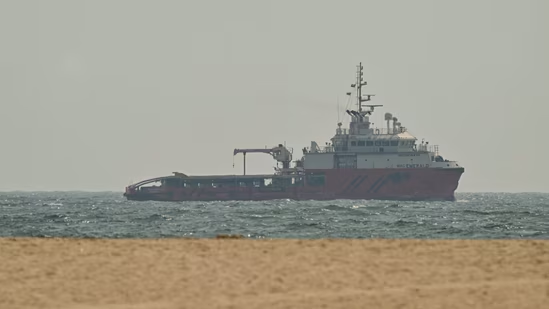
The latest diplomatic push between Iran and Oman comes at a critical moment for global energy markets, with commercial shipping through the Strait of Hormuz remaining far below normal levels following months of military confrontation. Iranian Foreign Minister Abbas Araghchi traveled to Muscat for high-level discussions focused on maritime security, regional stability, and efforts to restore confidence in one of the world’s most important shipping lanes.
The meeting follows renewed pressure from the United States, which has demanded that Tehran publicly commit to ending attacks on commercial vessels operating in the Strait of Hormuz. Oman, which has long served as a trusted regional mediator, is once again attempting to bridge differences between Iran and Western governments while preventing another escalation in the Gulf.
The diplomatic engagement has attracted global attention because nearly one-fifth of the world’s seaborne oil and significant volumes of liquefied natural gas normally transit through the Strait of Hormuz. Any disruption affects shipping costs, insurance premiums, and international energy prices.
Why Oman Is Hosting the Talks
Oman has traditionally maintained cordial relations with both Iran and Western nations, allowing it to act as an intermediary during periods of heightened regional tension. Muscat has previously hosted indirect negotiations between Tehran and Washington, making it a natural venue for discussions over maritime security.
According to recent reports, Araghchi’s visit centers on:
- Ensuring safer commercial navigation.
- Reducing the risk of further attacks on merchant vessels.
- Exploring diplomatic measures to reopen normal shipping activity.
- Addressing broader regional security concerns linked to the ongoing conflict.
Omani officials continue emphasizing diplomacy over military confrontation, arguing that restoring confidence in international shipping is essential for regional and global economic stability.
Why the Strait of Hormuz Matters
The Strait of Hormuz connects the Persian Gulf with the Gulf of Oman and the Arabian Sea. It serves as one of the world’s most strategic maritime chokepoints.
Every day, millions of barrels of crude oil and petroleum products move through the narrow waterway toward international markets, particularly Asia and Europe.
Major exporters relying on the route include:
- Saudi Arabia
- Iraq
- Kuwait
- United Arab Emirates
- Qatar
- Iran
Because of this concentration of global energy exports, even minor security incidents can cause significant volatility in oil prices and shipping insurance costs.
Shipping Traffic Remains Well Below Normal
Although active combat has eased compared to earlier phases of the conflict, commercial shipping companies remain cautious.
Several shipping operators continue delaying voyages or rerouting vessels because of:
- Security concerns.
- Higher insurance premiums.
- Ongoing military patrols.
- Uncertainty surrounding future attacks.
Recent tracking data indicates that tanker movements through the Strait remain substantially below historical averages despite diplomatic efforts to improve security. Markets continue monitoring every development closely because prolonged disruption could tighten global energy supplies.
US Demands Clear Commitment From Iran
The diplomatic talks coincide with increasing pressure from Washington.
US officials have insisted that Tehran publicly declare that commercial shipping will no longer be targeted and that international vessels can safely transit the Strait of Hormuz.
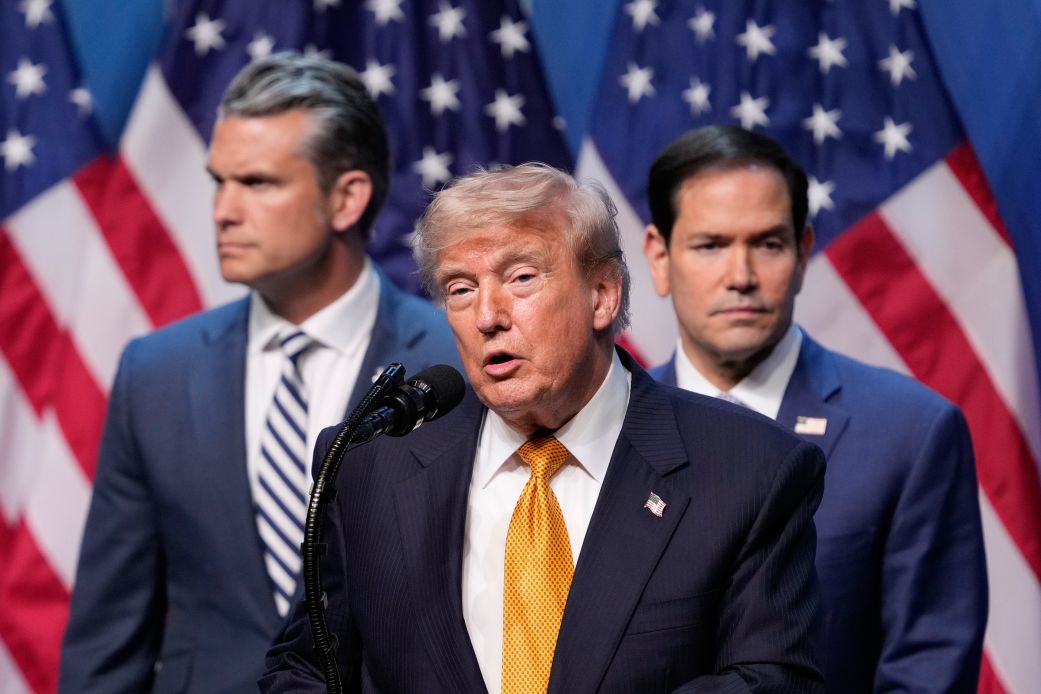
The Trump administration has reportedly made maritime security one of its primary conditions for broader diplomatic engagement.
Officials argue that restoring freedom of navigation is essential for international trade and regional stability.
American leaders have also warned that failure to provide sufficient guarantees could result in additional political or military responses.
Iran’s Position
Iran maintains that it has legitimate security concerns in the Gulf and continues rejecting what it describes as excessive foreign military influence near its coastline.
Iranian officials have repeatedly stated that regional countries should play the leading role in maintaining maritime security.
At the same time, Tehran appears willing to continue diplomatic discussions through Oman, signaling that negotiations remain preferable to another round of military escalation.
Whether these discussions ultimately produce formal commitments remains uncertain.
Impact on Global Oil Markets
Energy traders continue reacting to every diplomatic development involving the Strait of Hormuz.
Recent tensions have produced:
- Higher crude oil prices.
- Increased tanker insurance costs.
- Greater shipping delays.
- Increased market volatility.
Although prices have moderated compared with the height of the conflict, analysts warn that any renewed attacks on commercial vessels could quickly reverse recent stability.
Financial markets are also closely monitoring negotiations for signs that shipping volumes may gradually recover.
International Response
Several governments have welcomed Oman’s mediation efforts.
European governments continue supporting diplomatic solutions while discussing additional measures aimed at protecting maritime commerce.
International maritime organizations have also encouraged all parties to ensure uninterrupted commercial navigation, emphasizing that prolonged disruptions affect economies worldwide rather than only regional states.
Challenges Facing the Negotiations
Despite optimism surrounding the Muscat meetings, significant obstacles remain.
Key issues include:
- Mutual distrust between Washington and Tehran.
- Continued military activity by regional actors.
- Internal political divisions within Iran.
- Ongoing concerns from commercial shipping companies.
Diplomats acknowledge that restoring full confidence among international shipping firms will likely require more than political statements. Concrete security guarantees and sustained stability will be necessary before commercial traffic fully returns to pre-conflict levels.
What Happens Next?
Observers expect additional diplomatic engagement following the Oman meetings.
Possible next steps include:
- Joint statements supporting safe navigation.
- Expanded regional maritime coordination.
- Continued indirect US-Iran discussions.
- Confidence-building measures involving commercial shipping operators.
The coming days may determine whether recent diplomacy produces measurable improvements in maritime security or whether tensions continue affecting one of the world’s most vital energy corridors.
Conclusion
Iran Foreign Minister Abbas Araghchi’s visit to Oman represents one of the most important diplomatic efforts since tensions escalated around the Strait of Hormuz. With shipping traffic still operating below normal levels and global energy markets remaining sensitive, the outcome of these talks could have implications far beyond the Middle East.
While Oman continues its role as a trusted mediator, the success of negotiations will depend on whether Iran, the United States, and regional stakeholders can agree on practical measures that restore confidence in commercial shipping and reduce the risk of further confrontation. Until then, the Strait of Hormuz will remain one of the world’s most closely watched geopolitical flashpoints. (Axios)
Read our latest coverage on how regional tensions are evolving in Israel Shares Intelligence on Iranian Hardliners’ Alleged Plot to Target Trump, examining the intelligence claims and their potential impact on the wider Middle East crisis.