The United States has intensified diplomatic pressure on Iran, demanding that Tehran publicly commit to ending attacks on commercial vessels transiting the Strait of Hormuz, one of the world’s most strategically important maritime routes. The request comes after a series of reported attacks on oil tankers and cargo ships raised fears of another major disruption to global energy supplies and international trade.
Washington has made it clear that restoring confidence in the security of the Strait of Hormuz is a critical condition for reducing tensions and advancing any future diplomatic discussions with Iran. Officials have reportedly urged Iran to declare publicly that the waterway remains open to international shipping and that Iranian-backed forces will no longer target civilian vessels.
The latest developments add another chapter to the ongoing geopolitical confrontation between the United States and Iran, with global markets closely watching every move that could affect oil prices and regional stability.
Why the Strait of Hormuz Matters
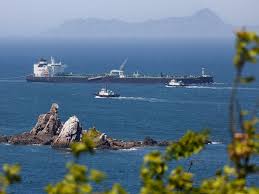
The Strait of Hormuz is widely regarded as one of the world’s most vital shipping corridors. Located between Iran and Oman, the narrow waterway connects the Persian Gulf to the Gulf of Oman and the Arabian Sea.
Approximately one-fifth of the world’s oil exports pass through this strategic chokepoint every day. Any disruption immediately affects international energy markets, shipping costs, and global inflation.
Major oil-exporting countries that depend on the route include:
- Saudi Arabia
- United Arab Emirates
- Kuwait
- Iraq
- Qatar
Because of its importance, even isolated attacks on commercial vessels can trigger higher insurance premiums, increased freight costs, and spikes in crude oil prices.
What the US Is Demanding
According to multiple reports, US officials want Iran to make a clear public declaration confirming:
- Commercial ships can safely transit the Strait of Hormuz.
- Iranian forces will stop targeting merchant vessels.
- No transit fees or restrictions will be imposed on international shipping.
- Maritime security will be respected under international law.
American officials reportedly believe such a declaration would reduce uncertainty for global shipping companies and reassure financial markets. They have also indicated that failure to provide these guarantees could result in further diplomatic and economic consequences.
Recent Attacks Raise Global Alarm
The latest diplomatic push follows reports of attacks on several ships operating near the Strait of Hormuz.
Although responsibility remains disputed in some incidents, US officials argue that elements linked to Iranian hardliners have contributed to growing instability across the Gulf.
The attacks prompted renewed concern among:
- International shipping companies
- Oil producers
- Global insurers
- Financial markets
- Regional governments
Shipping traffic through the area has already slowed significantly as operators assess the security risks. Analysts say prolonged instability could create supply chain disruptions extending well beyond the Middle East.
Internal Political Divisions Inside Iran
US officials have suggested that Iran’s leadership may be experiencing internal disagreements regarding regional policy.
Reports indicate that while some Iranian officials favor renewed diplomacy, hardline factions may continue pursuing aggressive military actions against shipping and regional targets.
These internal divisions have complicated negotiations between Washington and Tehran.
American officials argue that only a formal commitment from Iran’s government can restore international confidence that attacks on commercial shipping will end.
Impact on Global Oil Markets
Energy markets reacted cautiously to the renewed tensions.
Whenever security deteriorates in the Strait of Hormuz, oil traders immediately begin pricing in the possibility of supply disruptions.
Potential consequences include:
- Higher crude oil prices
- Increased fuel costs worldwide
- Rising shipping insurance rates
- Higher transportation expenses
- Inflationary pressure on importing nations
While prices remain volatile, analysts say markets are closely monitoring diplomatic negotiations between Washington and Tehran before making longer-term projections.
Diplomatic Efforts Continue
Despite the military tensions, diplomatic channels remain open.
Regional mediators, including Oman, continue facilitating discussions aimed at preventing further escalation.
The reported agenda includes:
- Maritime security
- Protection of commercial shipping
- Nuclear negotiations
- Regional stability
- Future ceasefire arrangements
US officials have emphasized that diplomacy remains possible if Iran demonstrates a willingness to protect international navigation and reduce military activity around the Strait of Hormuz.
International Concerns Grow
The United States is not the only country expressing concern.
Many governments depend heavily on uninterrupted shipping through the Persian Gulf. Energy-importing nations in Europe and Asia are particularly vulnerable to disruptions.
International maritime organizations have also warned about the safety of thousands of seafarers operating in the Gulf region and have urged all parties to avoid actions that could threaten civilian shipping.
What Happens Next?
Several possible scenarios could unfold over the coming weeks:
Successful diplomacy
Iran publicly guarantees safe passage, reducing tensions and stabilizing shipping.
Continued uncertainty
Negotiations continue while isolated security incidents keep markets nervous.
Military escalation
Additional attacks could trigger stronger military responses from the United States and its regional allies.
Economic consequences
Extended instability may increase energy prices, disrupt supply chains, and place additional pressure on the global economy.
Much will depend on whether diplomatic negotiations produce concrete commitments regarding maritime security.
Why This Matters Globally
Although the dispute centers on a relatively narrow stretch of water, the consequences extend worldwide.
The Strait of Hormuz remains one of the most important energy corridors on Earth. Any disruption affects not only Middle Eastern nations but also consumers, businesses, and governments across Europe, Asia, and North America.
The United States views uninterrupted navigation through the Strait as essential to international trade and global economic stability. Iran, meanwhile, considers the waterway strategically significant to its regional influence and national security.
As negotiations continue, governments and markets alike will closely watch whether Tehran responds positively to Washington’s request to halt attacks on commercial vessels and restore confidence in one of the world’s busiest maritime routes.
Read our complete coverage on Iran War Live Updates: Trump Threatens to ‘Decimate’ Iran if It Tries to Kill Him to understand how escalating US-Iran tensions are influencing diplomatic efforts, military strategy, and security in the Strait of Hormuz.