Introduction
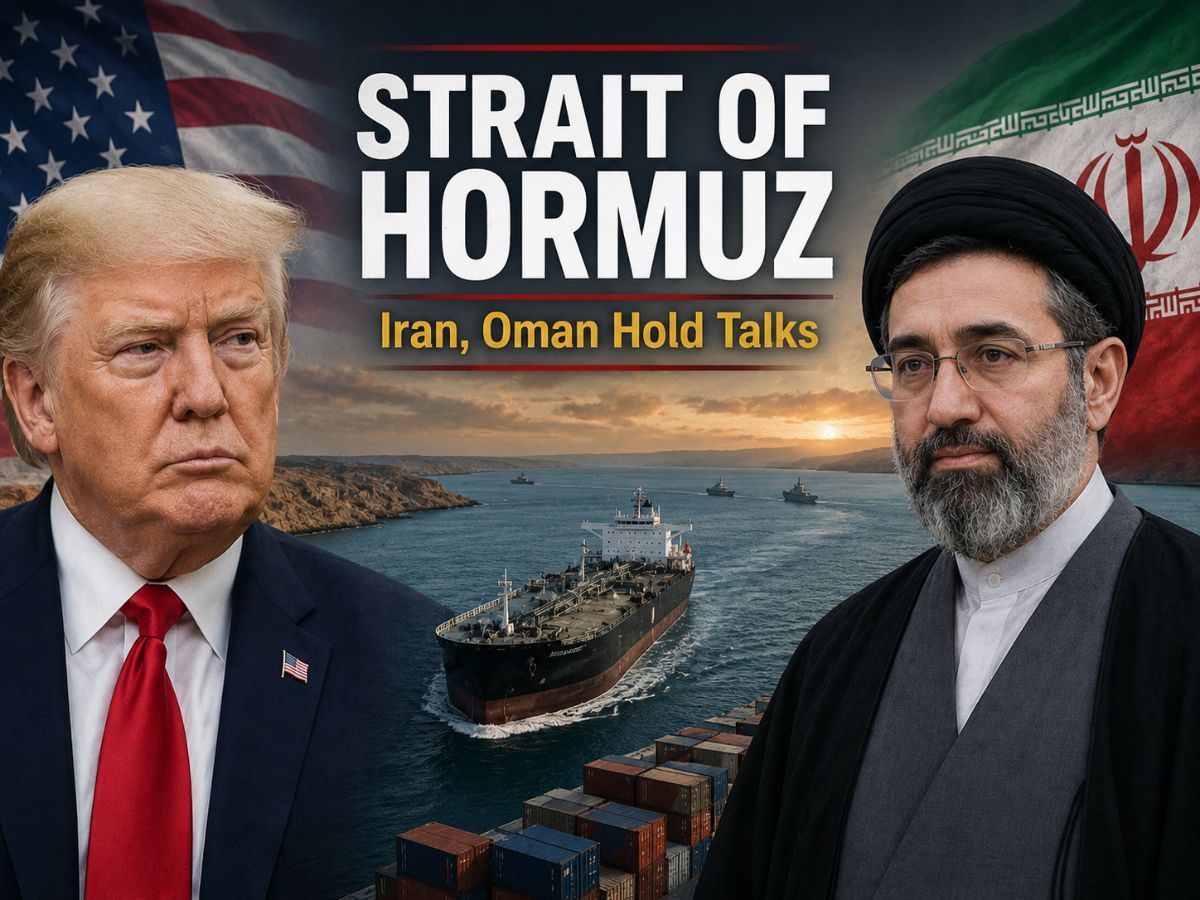
Iran has described the recent attacks on commercial vessels in the Strait of Hormuz as a “mistake” and has reaffirmed its commitment to maintaining safe maritime navigation following high-level diplomatic talks in Oman. The statement comes at a critical moment as global shipping traffic through one of the world’s most important energy corridors has slowed amid escalating regional tensions and growing international concern.
The diplomatic engagement in Muscat signals an attempt to reduce the risk of further conflict in the Gulf after weeks of attacks on commercial shipping, military exchanges, and uncertainty surrounding the future of regional security. The United States and its allies have repeatedly urged Tehran to guarantee the safety of international vessels passing through the strategic waterway, while Oman has continued its role as a trusted mediator between opposing sides.
Iran Says Ship Attacks Were a ‘Mistake’
Iranian officials acknowledged that the attacks targeting vessels in the Strait of Hormuz should not have occurred, describing them as a “mistake” while distancing the country’s leadership from actions allegedly carried out by hardline elements.
The comments represent one of Tehran’s strongest public efforts to reassure the international community since tensions flared across the Gulf.
Officials emphasized that Iran has no interest in disrupting one of the world’s busiest maritime trade routes, particularly as the country seeks diplomatic solutions to wider regional disputes.
The clarification also comes amid reports of internal divisions within Iran over military strategy, with moderate officials reportedly pushing for renewed diplomacy while hardliners advocate a more aggressive regional posture.
Oman Hosts Critical Diplomatic Talks
Iran’s foreign minister traveled to Oman for discussions focused on regional security, maritime stability, and the future of negotiations with Western governments.
Oman has long served as a neutral intermediary between Iran and the United States, helping facilitate indirect talks during previous diplomatic crises.
According to officials familiar with the discussions, the latest meetings concentrated on:
- Restoring confidence in commercial shipping.
- Preventing further attacks on merchant vessels.
- Reducing military escalation in the Gulf.
- Exploring broader diplomatic engagement.
The Muscat meetings are viewed as an important confidence-building measure after weeks of uncertainty surrounding maritime security in the Strait of Hormuz.
Iran Reaffirms Safe Shipping
Following the talks, Iranian officials stressed that freedom of navigation remains a priority.
Tehran said commercial vessels should be able to transit safely through the Strait of Hormuz, provided regional stability is maintained.
The reassurance is significant because approximately one-fifth of global oil supplies pass through the narrow waterway, making any disruption capable of affecting international energy markets.
Shipping companies and insurers have been monitoring developments closely after several incidents prompted vessels to delay departures or choose alternative routes where possible.
Industry analysts note that even limited security concerns can substantially increase shipping costs through higher insurance premiums and operational delays.
Why the Strait of Hormuz Matters
The Strait of Hormuz connects the Persian Gulf with the Gulf of Oman and the Arabian Sea.
It remains one of the world’s most strategically important maritime chokepoints because:
- Nearly 20% of global oil exports transit the route.
- Major LNG shipments also depend on uninterrupted passage.
- Gulf economies rely heavily on secure maritime trade.
- International markets closely monitor any disruption.
Whenever instability emerges in the Strait, global oil prices often react immediately due to concerns over potential supply interruptions.
Although shipping has continued, traffic volumes have slowed as companies evaluate evolving security risks.
U.S. Continues Pressure on Tehran
Despite Iran’s latest reassurances, the United States has maintained pressure on Tehran to issue a formal public commitment ending attacks on commercial shipping.
American officials argue that verbal assurances alone are insufficient and want Iran to clearly state that:
- Commercial vessels will not be targeted.
- International shipping lanes remain open.
- Maritime safety will be protected.
- Future incidents will be prevented.
Washington has also linked progress on broader diplomatic negotiations to Iran’s willingness to reduce regional tensions.
Officials continue warning that additional attacks could trigger further economic or military consequences.
Shipping Industry Watches Closely
Global shipping companies remain cautious despite the latest diplomatic developments.
Many operators have:
- Increased security measures.
- Adjusted sailing schedules.
- Purchased additional war-risk insurance.
- Delayed voyages through higher-risk areas.
Insurance costs have risen significantly during recent weeks, increasing operational expenses for energy producers and shipping firms alike.
Industry experts believe sustained diplomatic progress would help restore confidence and normalize shipping patterns.
However, many companies are waiting for concrete evidence that attacks have permanently stopped before fully resuming normal operations.
International Reaction
Several countries welcomed the diplomatic engagement in Oman.
Regional governments have consistently encouraged dialogue rather than military escalation, warning that prolonged instability threatens both economic growth and energy security.
Energy-importing nations in Asia and Europe are particularly interested in maintaining uninterrupted shipping because of their dependence on Gulf oil exports.
Diplomats also praised Oman’s continued mediation efforts, describing Muscat as one of the few venues capable of facilitating productive communication between rival governments.
Could Diplomacy Ease Regional Tensions?
Analysts believe the latest Iranian statements could represent an opening for broader negotiations.
Several factors may encourage continued diplomacy:
- Economic pressure on regional governments.
- Global concerns about energy prices.
- International calls for de-escalation.
- Oman’s successful mediation efforts.
Still, experts caution that meaningful progress depends on whether actions on the ground match diplomatic promises.
Any additional attacks on shipping could quickly undermine recent confidence-building efforts.
Outlook
The coming days are expected to be crucial for determining whether tensions continue to ease.
If commercial shipping proceeds safely and diplomatic discussions continue, confidence in the Strait of Hormuz may gradually recover.
However, international observers remain cautious given the volatility of the regional security environment.
Iran’s acknowledgment that recent ship attacks were a “mistake,” combined with its renewed commitment to safe navigation following Oman talks, represents an important diplomatic signal. Whether that translates into lasting stability will depend on future actions by all parties involved.
As global markets continue monitoring developments, the Strait of Hormuz remains central to international energy security, regional diplomacy, and the broader geopolitical balance in the Middle East. (Reuters)
Related: Read our coverage of “US Urges Iran to Halt Attacks on Ships in the Strait of Hormuz“ to understand Washington’s demands for a public Iranian commitment to protect international shipping and maintain stability in the Gulf.