Table of Contents
ToggleIntroduction
The Trump administration has suffered two significant legal setbacks after federal judges blocked key policies involving student loan forgiveness regulations and mail-in voting restrictions. The rulings have sparked nationwide debate over presidential authority, federal agency powers, and voting rights ahead of the 2026 U.S. midterm elections.
While the two cases involve different policy areas, both decisions emphasize a similar constitutional principle: federal agencies and the executive branch cannot exceed the authority granted by Congress.
Here’s everything you need to know about the latest court rulings and their broader implications.
Federal Judges Block Trump Student Loan Regulation
In one of the administration’s biggest education policy setbacks, two federal judges temporarily blocked a new rule issued by the U.S. Department of Education affecting the Public Service Loan Forgiveness (PSLF) program.
The regulation sought to prevent certain nonprofit organizations from qualifying as eligible employers if they were determined to have a “substantial illegal purpose.” Critics argued the rule was overly broad and allowed political considerations to influence loan forgiveness eligibility.
Why Did the Judges Block It?
The courts concluded that the administration likely exceeded its statutory authority by redefining which employers qualify under the PSLF program.
One judge also indicated that the rule could violate First Amendment protections by discriminating against organizations based on the viewpoints or activities they support.
As a result, implementation of the regulation has been paused while litigation continues.
What Is the Public Service Loan Forgiveness Program?
The Public Service Loan Forgiveness (PSLF) program forgives remaining federal student loan balances after eligible borrowers make 120 qualifying monthly payments while working full-time for qualifying public service employers.
Eligible employers generally include:
- Government agencies
- Public schools
- Military organizations
- Many nonprofit organizations
- Certain public healthcare providers
The blocked regulation would have narrowed this definition considerably.
Trump Administration’s Position
The Trump administration argued that taxpayer-funded loan forgiveness should not benefit organizations allegedly engaged in unlawful activities.
Officials claimed the revised eligibility standards would protect federal funds and prevent abuse of the PSLF program.
Following the court rulings, the Department of Education stated it is reviewing its legal options, including possible appeals.
Judges Also Block Trump Mail-In Ballot Restrictions
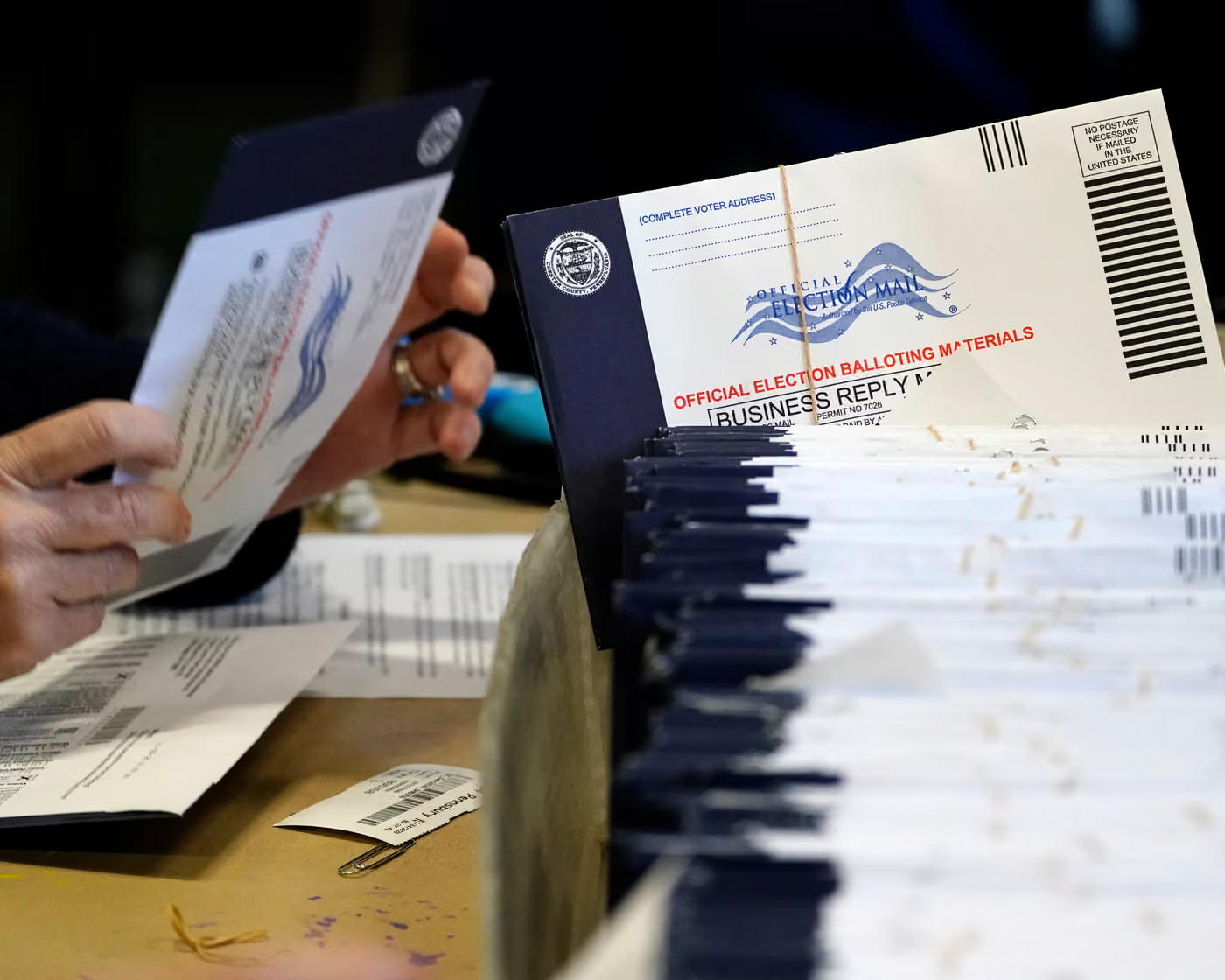
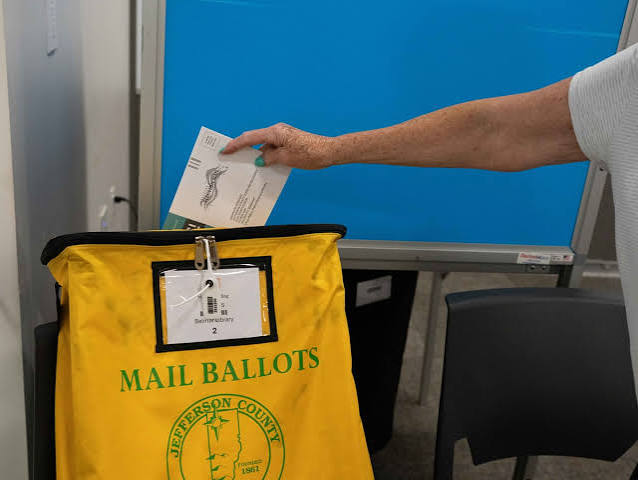
In a separate case, another federal judge blocked proposed restrictions affecting mail-in ballots that were tied to Trump’s election-related executive order.
The administration wanted the U.S. Postal Service (USPS) to require states to meet new federal conditions before mail ballots would be delivered. Those requirements included sharing voter registration information and adopting new ballot-handling procedures.
The court ruled that these proposed changes violated an existing legal agreement requiring USPS to prioritize election mail delivery.
Why Did the Court Reject the Mail-In Ballot Rules?
The judge found several legal concerns:
1. Presidential Authority
The Constitution gives states primary responsibility for administering elections, while Congress may regulate federal elections.
The court concluded that the executive branch cannot unilaterally impose nationwide election procedures through executive action.
2. Existing USPS Settlement
A 2021 settlement between USPS and civil rights groups requires expedited processing of election mail through 2028.
The proposed restrictions conflicted with those obligations.
3. Potential Voter Disenfranchisement
Opponents argued that delaying or refusing ballot deliveries could prevent eligible voters from participating in elections, particularly in states that rely heavily on absentee voting.
Second Legal Defeat for Trump’s Election Policies
These rulings represent the latest in a series of court setbacks involving the administration’s election initiatives.
Just days earlier, another federal judge blocked key portions of Trump’s executive order that sought to create federal voter eligibility lists and impose additional restrictions on mail voting.
The court ruled that those measures likely exceeded presidential authority because election administration is largely reserved for the states.
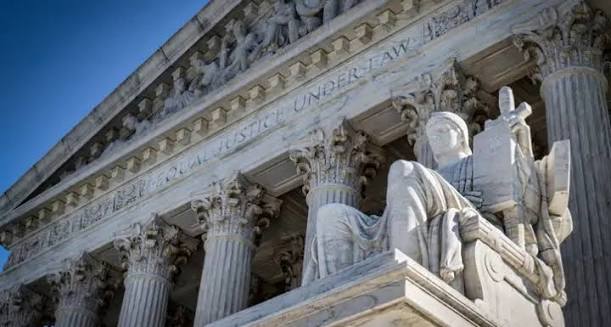
Supreme Court Also Weighs In on Mail Ballots
Adding to the legal developments, the U.S. Supreme Court recently ruled that states may continue counting mailed ballots received after Election Day if they were postmarked on or before Election Day.
The 5–4 decision rejected a Republican-backed challenge seeking stricter deadlines for ballot receipt.
The Court concluded that federal law establishes Election Day but does not require every ballot to physically arrive by that date, leaving such policies largely to states and Congress.
Political Reactions
Supporters of the Court Decisions
Voting rights organizations and Democratic officials welcomed the rulings, arguing they protect:
- Voter access
- Constitutional separation of powers
- Student loan borrowers
- Election integrity through established legal procedures
Civil rights advocates said both cases reinforce limits on executive authority.
Trump Administration Response
The administration criticized the decisions and indicated it may pursue appeals.
Officials continue to argue that tighter election rules are necessary to strengthen voter confidence and that reforms to federal loan forgiveness programs are needed to ensure taxpayer accountability.
Why These Cases Matter
Both lawsuits extend far beyond their immediate policy impacts.
The decisions could shape:
- Presidential authority
- Federal agency rulemaking
- Election administration
- Student loan policy
- Constitutional separation of powers
Legal experts expect appeals that could eventually reach higher federal courts and potentially the U.S. Supreme Court.
What’s Next?
For now:
- The student loan regulation remains temporarily blocked.
- USPS cannot implement the proposed mail-ballot restrictions.
- Existing Public Service Loan Forgiveness rules continue operating.
- Current mail voting procedures largely remain unchanged for upcoming elections.
Additional litigation is expected throughout 2026 as both issues move through the federal court system.
Conclusion
The recent federal court rulings represent major legal obstacles for the Trump administration’s efforts to reshape both student loan forgiveness andmail-in voting procedures.
Although the administration argues these policies improve accountability and election integrity, judges have concluded that key portions likely exceed executive authority and conflict with existing federal law.
As appeals proceed, these cases are expected to become some of the most closely watched legal battles leading into the 2026 election season, with significant implications for borrowers, voters, and the future balance of power between the presidency, federal agencies, Congress, and the states.