Investigative journalist Catherine Herridge is once again at the center of a major legal and press freedom debate after the U.S. Supreme Court declined to halt a civil contempt order requiring her to either reveal a confidential FBI-related source or face an $800-per-day fine. The dispute has become one of the most closely watched journalism cases in the United States, raising important questions about source protection, the First Amendment, and the future of investigative reporting.
This article explains the background of the Catherine Herridge FBI source dispute, the legal arguments on both sides, and what the case could mean for journalists, government whistleblowers, and the public.
Who Is Catherine Herridge?
Catherine Herridge is an award-winning investigative journalist known for covering national security, intelligence agencies, terrorism, and the FBI. She spent many years at Fox News before joining CBS News and later became an independent investigative reporter.
Throughout her career, Herridge has built a reputation for obtaining exclusive information from confidential government sources. Her reporting has frequently focused on sensitive federal investigations, intelligence operations, and homeland security matters.
Because of her work, protecting anonymous sources has become a central part of her journalism.
What Is the FBI Source Dispute?
The current legal battle stems from reporting Herridge published in 2017 while working for Fox News.
Her articles discussed an FBI counterintelligence investigation involving Chinese-American scientist Yanping Chen, including information that allegedly came from confidential government documents and FBI investigative materials.
Although Chen had been investigated, she was never charged with any crime. She later filed a lawsuit against the federal government, arguing that confidential information had been improperly leaked and that those leaks caused significant personal and professional harm.
Why Was Herridge Ordered to Reveal Her Source?
During the lawsuit, Chen’s legal team argued that identifying whoever leaked the confidential government information was essential to proving violations of the Privacy Act.
Because Herridge published the leaked information, the court ordered her to identify the confidential source responsible for providing those materials.
Herridge refused.
She argued that revealing the source would violate a fundamental principle of investigative journalism and discourage future whistleblowers from coming forward.
Her refusal eventually resulted in a civil contempt ruling.
The Civil Contempt Order
In 2024, a federal judge found Herridge in civil contempt after she declined to identify her confidential source.
Rather than sending her to jail, the court imposed a financial penalty.
Under the order, Herridge faces an $800-per-day fine until she complies with the subpoena and reveals her source.
Herridge appealed the decision through the federal courts but was unsuccessful.
She then sought emergency relief from the U.S. Supreme Court.
Supreme Court Declines Emergency Relief
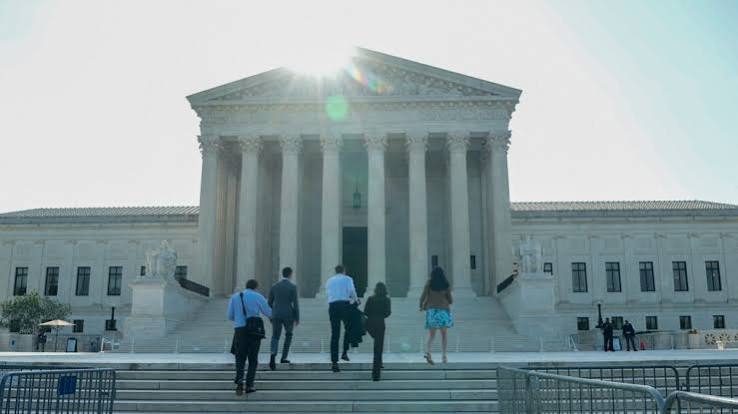
In July 2026, the U.S. Supreme Court declined Herridge’s emergency request to block enforcement of the daily fine.
The Court did not issue a detailed explanation for its decision.
However, Justice Brett Kavanaugh indicated that he would have granted temporary relief while the legal issues were considered further.
The decision means the financial penalties may continue unless future legal developments change the outcome.
Why Press Freedom Groups Are Concerned
Numerous journalism organizations and press freedom advocates have expressed concern about the case.
Their primary arguments include:
- Confidential sources are essential for exposing government misconduct.
- Journalists should not become investigative tools for civil litigants.
- Whistleblowers may refuse to share important information if reporters cannot guarantee confidentiality.
- The case could discourage investigative reporting on national security matters.
Many organizations argue that the United States lacks a comprehensive federal shield law protecting journalists from being forced to reveal confidential sources.
The Legal Argument Supporting the Court’s Decision
Supporters of the court’s ruling present a different perspective.
They argue that:
- Chen has a legal right to discover who unlawfully disclosed confidential government information.
- The leaked materials allegedly violated federal privacy protections.
- Without identifying the source, Chen may be unable to fully pursue her legal claims.
- Courts must balance press freedom against an individual’s legal rights.
The judge overseeing the case concluded that Chen’s need for the information outweighed Herridge’s claim of reporter’s privilege under the circumstances.
Does the United States Have a Federal Shield Law?
Unlike many states, the United States does not have a nationwide federal shield law that broadly protects journalists from revealing confidential sources.
Some states recognize reporter protections through statutes or court decisions.
Federal courts, however, have often reached different conclusions depending on the facts of each case.
Because of this legal uncertainty, the Herridge dispute has attracted national attention among constitutional scholars and media organizations.
Why This Case Matters
The Herridge case goes beyond one journalist.
It could influence future disputes involving:
- FBI investigations
- National security reporting
- Government whistleblowers
- Confidential informants
- Investigative journalism
- Privacy Act litigation
If courts increasingly compel reporters to reveal sources, critics warn that investigative reporting could become more difficult, particularly in stories involving intelligence agencies and federal law enforcement.
Public Reaction
The ruling has sparked debate across legal and media circles.
Press freedom advocates say confidential sources are indispensable to uncovering matters of public interest.
Others argue that individuals harmed by unlawful government leaks deserve meaningful legal remedies, even if those remedies require identifying a journalist’s source.
The disagreement reflects a broader constitutional tension between protecting a free press and ensuring accountability for unlawful disclosures.
What Happens Next?
Although the Supreme Court declined emergency intervention, Herridge’s broader legal fight may continue through additional proceedings.
Possible future developments include:
- Further appeals or petitions.
- Congressional discussions about a federal shield law.
- Continued debate over reporter-source privilege.
- Additional court rulings that clarify how journalists are protected in federal cases.
Regardless of the ultimate outcome, the Catherine Herridge FBI source dispute has already become one of the most significant press freedom cases in recent years.
Conclusion
The Catherine Herridge FBI source dispute illustrates the difficult balance between protecting confidential journalism sources and enforcing legal accountability when sensitive government information is leaked.
Supporters believe compelling journalists to reveal sources threatens investigative reporting and could discourage whistleblowers. Others maintain that courts must ensure individuals harmed by unlawful disclosures can seek justice.
As the legal process continues, the case is likely to shape future discussions about reporter privilege, federal shield laws, and the role of investigative journalism in a democratic society.