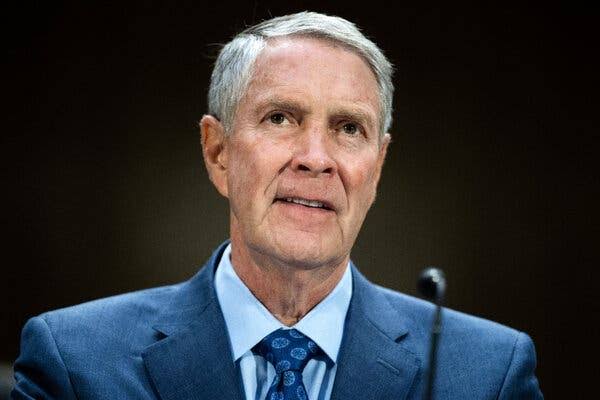
Climate change has become one of the most polarizing issues in modern politics. While scientists continue to warn about rising global temperatures, extreme weather events, and environmental degradation, political divisions have often overshadowed discussions about practical solutions. Against this backdrop, former U.S. Senate Majority Leader Dr. Bill Frist has urged Americans to remove politics from the climate conversation and focus on evidence-based action.
Frist, a physician and longtime advocate for public health, believes climate change should be approached as a scientific and health issue rather than a partisan battleground. His message has attracted attention because it comes at a time when climate policy remains deeply divided across political lines.
Dr. Bill Frist’s Message
Dr. Bill Frist argues that climate change affects everyone regardless of political affiliation. According to his recent remarks, debates about climate policy have become increasingly ideological, making bipartisan cooperation more difficult.
Rather than framing climate change as a Republican versus Democrat issue, Frist believes leaders should prioritize scientific research, innovation, and practical solutions that benefit communities, businesses, and future generations.
His comments reflect growing concern among healthcare professionals who view climate change as a public health challenge rather than simply an environmental issue.
Climate Change as a Public Health Issue
As a heart and lung transplant surgeon, Dr. Frist has consistently emphasized the connection between environmental conditions and human health.
Climate change contributes to several health risks, including:
- Increased heat-related illnesses
- Poor air quality
- Spread of infectious diseases
- Mental health challenges following natural disasters
- Higher risks from floods, hurricanes, and wildfires
Medical experts increasingly argue that addressing climate change can improve healthcare outcomes while reducing long-term economic costs.
Frist believes discussions should begin with these measurable health impacts instead of political ideology.
Why Politics Has Dominated the Climate Debate
Over the past decade, climate policy has become closely tied to elections, economic policy, and energy independence.
Major disagreements typically involve:
- Fossil fuel regulations
- Renewable energy investments
- Federal environmental rules
- Carbon emission targets
- International climate agreements
Because these policies affect jobs, industries, and government spending, climate discussions often become political battles rather than scientific conversations.
Frist argues this polarization slows progress and prevents meaningful cooperation.
The Need for Bipartisan Solutions
One of Dr. Frist’s central arguments is that climate change cannot be effectively addressed without bipartisan collaboration.
Many successful environmental initiatives in the past received support from both political parties. Frist suggests that policymakers should return to this model by focusing on common goals such as:
- Cleaner air
- Healthier communities
- Energy innovation
- Disaster preparedness
- Economic resilience
Instead of debating whether climate change exists, he encourages leaders to discuss the most effective ways to reduce risks while supporting economic growth.
Innovation Over Ideology
Another key point in Frist’s remarks is the importance of technological innovation.
He believes the United States has the opportunity to lead global climate solutions through advances in:
- Clean energy
- Carbon capture
- Nuclear power
- Electric transportation
- Sustainable agriculture
- Medical preparedness
Innovation, according to Frist, can create new jobs while helping reduce emissions.
This approach appeals to both environmental advocates and business leaders because it focuses on economic opportunity rather than political conflict.
The Role of Healthcare Professionals
Healthcare experts have become increasingly vocal about climate-related health risks.
Doctors and public health organizations warn that rising temperatures contribute to:
- Longer allergy seasons
- Respiratory illnesses
- Heat stroke
- Cardiovascular complications
- Expanded mosquito-borne diseases
As a physician, Frist believes healthcare professionals have an important role in educating the public without becoming entangled in partisan politics.
Their credibility, he argues, comes from scientific evidence and patient care.
Challenges to Depoliticizing Climate Change
Although Frist’s proposal sounds straightforward, removing politics from climate discussions may prove difficult.
Climate policy influences numerous sectors, including:
- Energy production
- Manufacturing
- Transportation
- Agriculture
- International trade
These industries involve billions of dollars in investments and millions of jobs, making political disagreements almost inevitable.
Nevertheless, Frist believes focusing on shared interests rather than ideological differences can help bridge divides.
Growing Support for Pragmatic Climate Discussions
Across the political spectrum, there is increasing recognition that practical climate adaptation measures are necessary.
Communities are investing in:
- Better flood protection
- Wildfire prevention
- Stronger infrastructure
- Water conservation
- Emergency preparedness
Many local governments pursue these initiatives regardless of national political debates because they directly affect public safety.
Frist argues these examples demonstrate that cooperation is possible when discussions focus on tangible outcomes.
Climate Policy in Today’s Political Environment
The climate debate continues during a period of significant changes in U.S. environmental policy.
Recent discussions have included America’s participation in international climate agreements, federal emissions regulations, and energy production strategies. These developments have intensified political disagreements while also highlighting the importance of long-term planning.
Against this backdrop, Frist’s call seeks to shift public attention away from partisan rhetoric and toward measurable results.
Public Reaction
Supporters of Frist’s comments argue that bipartisan cooperation is essential if meaningful climate progress is to occur.
Many believe that framing climate change as a public health and economic issue could attract broader support than traditional political messaging.
Critics, however, contend that climate policy inevitably involves political choices regarding regulations, funding, and international commitments. They argue that while science should guide decisions, elected officials must still determine how policies are implemented.
Even so, Frist’s appeal has sparked renewed discussion about whether Americans can find common ground on one of the nation’s most divisive issues.
Looking Ahead
Dr. Bill Frist’s call to remove politics from the climate change debate reflects a growing desire for more constructive public discourse. Rather than emphasizing ideological differences, he encourages leaders, scientists, healthcare professionals, and citizens to focus on evidence, innovation, and shared responsibility.
Whether policymakers fully embrace that vision remains uncertain. However, as climate-related challenges continue to affect public health, infrastructure, and the economy, the demand for practical, bipartisan solutions is likely to grow.
If the conversation shifts toward science, health, and innovation—as Frist suggests—it may create new opportunities for collaboration that have long been overshadowed by political division.
Related Read: As the judiciary shapes major constitutional debates, explore our analysis of “John Roberts’ Two Biggest Supreme Court Decisions This Term Seem to Contradict Each Other” to understand how recent Supreme Court rulings could influence the future of American law and governance.