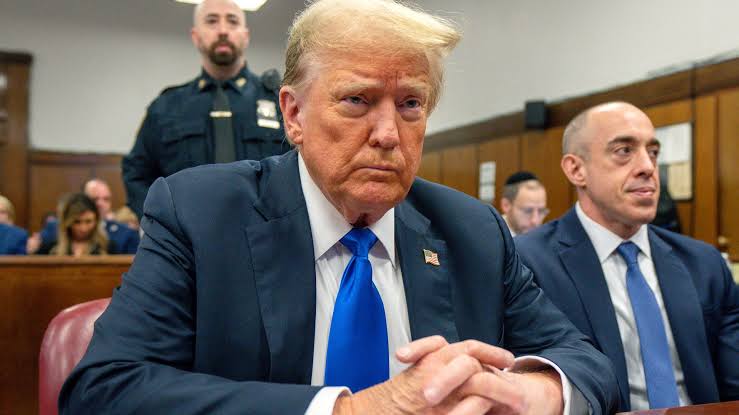
The U.S. Senate has confirmed Emil Bove to a lifetime position on the U.S. Court of Appeals for the Third Circuit, marking one of the most closely watched judicial confirmations in recent years. Bove, who gained national attention as one of President Donald Trump’s lead defense attorneys in several high-profile legal battles, now moves from defending a former president in court to serving on one of the nation’s most influential federal appellate courts. The confirmation has reignited debate over judicial independence, political loyalty, and the future direction of the federal judiciary.
His appointment represents another significant milestone in President Trump’s effort to reshape the federal judiciary during his second term. While Republican lawmakers praised Bove’s legal experience and courtroom record, Democrats questioned whether his close relationship with Trump could affect public confidence in the judiciary.
Who Is Emil Bove?
Emil Bove is an American attorney who previously worked as a federal prosecutor before entering private practice. Before joining Trump’s legal team, he served as an Assistant U.S. Attorney, handling complex criminal cases involving organized crime, financial fraud, and national security matters.
His profile rose dramatically after joining Donald Trump’s defense team during multiple criminal investigations and prosecutions. Bove became one of Trump’s most visible courtroom advocates, arguing motions, challenging prosecutors’ legal theories, and helping coordinate defense strategies across several cases.
His legal background combines years of federal prosecutorial experience with high-profile private litigation, credentials that supporters cited as evidence of his qualifications for the federal bench.
Role in Trump’s Major Court Cases
Bove became nationally recognized after representing Trump in several landmark legal proceedings, including cases involving criminal indictments and constitutional questions.
Among the cases attracting national attention were:
- The New York criminal business records case.
- Federal election-related litigation.
- Various pretrial motions involving presidential immunity.
- Strategic legal defenses in multiple state and federal proceedings.
Throughout these proceedings, Bove argued that prosecutors exceeded their authority and that many of the cases against Trump were politically motivated. His courtroom performances made him a familiar figure during one of the most legally challenging periods of Trump’s political career.
Trump’s Judicial Nomination
President Trump nominated Emil Bove to serve on the U.S. Court of Appeals for the Third Circuit in 2025. The nomination immediately drew national attention because of Bove’s direct involvement in Trump’s legal defense and his previous leadership role within the Department of Justice.
Supporters argued that Bove’s years as both a federal prosecutor and defense attorney demonstrated his legal competence and understanding of constitutional law.
Critics, however, questioned whether someone so closely connected to a sitting president should receive a lifetime judicial appointment so soon after representing that president in court.
The nomination became one of the most politically charged judicial confirmation battles of the year.
Senate Confirmation Vote
Following weeks of committee hearings and debate, the Senate narrowly voted to confirm Bove to the federal appeals court.
Republican senators emphasized his legal credentials, courtroom experience, and previous service within the Justice Department.
Democratic senators expressed concern over allegations raised by former Justice Department officials and questioned Bove’s testimony during confirmation hearings. Several advocacy organizations and former judges also voiced opposition, while conservative legal groups defended his nomination.
Why the Appointment Matters
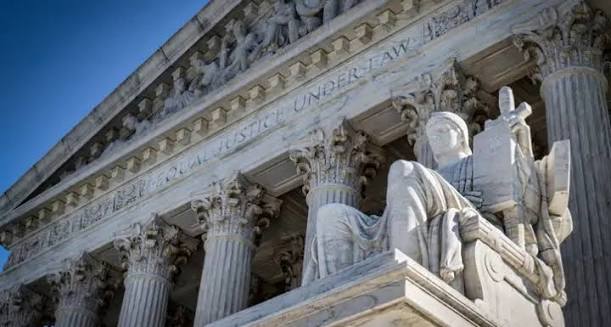
Federal appeals court judges hold tremendous influence within the American judicial system.
Unlike district court judges, appellate judges review lower court decisions and establish legal precedents that can affect millions of Americans. Many Supreme Court justices have previously served on federal appellate courts, making these appointments especially significant.
As a judge on the Third Circuit, Bove will hear cases involving:
- Constitutional law
- Civil rights
- Federal criminal appeals
- Administrative law
- Business and regulatory disputes
Because federal judges receive lifetime appointments under Article III of the Constitution, Bove could remain on the bench for decades.
Supporters Praise His Experience
Republican lawmakers described Bove as an accomplished attorney with extensive courtroom experience.
Supporters highlighted:
- Years as a federal prosecutor.
- Experience handling complex criminal investigations.
- Knowledge of constitutional litigation.
- Successful representation in nationally significant legal disputes.
Many conservatives argued that criticism centered more on his former client than on his professional qualifications.
They also noted that many federal judges previously represented controversial clients before joining the judiciary.
Critics Raise Ethical Concerns
Opponents focused less on Bove’s legal ability and more on perceptions of judicial impartiality.
Several critics argued that his close association with President Trump, combined with decisions made during his Justice Department tenure, could undermine public trust in the federal courts.
During Senate hearings, lawmakers questioned his handling of sensitive Justice Department matters and whether political considerations influenced certain prosecutorial decisions. These issues became central themes throughout the confirmation process.
Despite these concerns, no legal finding disqualified Bove from serving as a federal judge.
Impact on Trump’s Judicial Legacy
Judicial appointments remain one of the defining aspects of Trump’s presidency.
During both administrations, Trump prioritized appointing conservative judges to federal courts across the country. Emil Bove’s confirmation continues that effort by placing another Trump ally on a powerful appellate court.
Legal analysts suggest the appointment may influence future rulings involving executive authority, constitutional interpretation, criminal law, and administrative regulations.
Whether Bove ultimately develops an independent judicial reputation or remains closely identified with his previous role representing Trump will likely become clearer over time.
Looking Ahead
Now that Emil Bove has been confirmed, attention shifts from the Senate to the courtroom.
As a federal appellate judge, he will no longer serve as a political advocate but as an independent member of the judiciary responsible for interpreting federal law.
His future opinions will likely receive intense scrutiny from legal scholars, policymakers, and political observers alike.
Regardless of political perspectives, Bove’s appointment represents another significant chapter in the ongoing evolution of the federal judiciary and underscores how judicial nominations remain among the most consequential decisions made by any presidential administration.
Final Thoughts
Emil Bove’s confirmation highlights the increasingly political nature of federal judicial appointments in the United States. Admirers view him as an experienced lawyer who earned a lifetime judgeship through years of legal service, while critics remain concerned about the optics of elevating a former personal attorney for a sitting president to the federal bench.
As he begins serving on the U.S. Court of Appeals for the Third Circuit, his rulings—not his previous clients—will ultimately define his judicial legacy.
Related News: As global political developments continue to unfold, read our coverage of Blasts Rock Damascus During Macron’s Syria Visit Amid Heightened Security Concerns to understand how international security challenges are shaping diplomatic relations worldwide.