The political landscape in Maine shifted dramatically after Senator Bernie Sanders withdrew his support for Democratic Senate candidate Graham Platner following serious sexual assault allegations. The decision marks one of the most significant developments in the 2026 U.S. Senate race, raising questions about candidate accountability, party leadership, and the Democratic Party’s strategy ahead of the general election.
Sanders, who had been one of Platner’s most influential supporters throughout the campaign, publicly stated that the allegations were serious enough to warrant the candidate stepping aside. His announcement was quickly followed by similar actions from other leading Democrats, creating mounting pressure on Platner to withdraw from the race.
This article explains why Bernie Sanders removed his support, what allegations have been made, how Graham Platner has responded, and what the controversy could mean for Democrats in Maine and nationally.
Why Did Bernie Sanders Withdraw His Support?
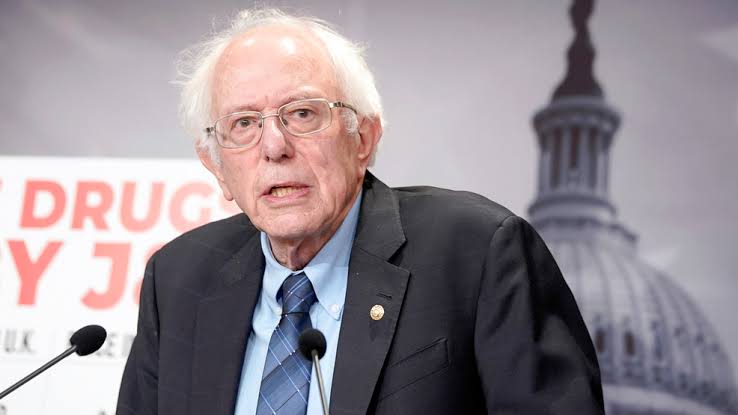
Bernie Sanders said he could no longer support Graham Platner after allegations of sexual assault became public. According to multiple reports, Sanders personally urged Platner to withdraw from the Senate race, emphasizing that the accusations were too serious to ignore despite the absence of a court ruling.
Sanders had previously endorsed Platner as a progressive outsider capable of challenging Republican Senator Susan Collins. However, following the allegations, Sanders stated that maintaining public trust in Democratic candidates required taking the accusations seriously.
His decision reflects a broader shift among Democratic leaders, many of whom quickly distanced themselves from Platner after the allegations surfaced.
What Are the Allegations Against Graham Platner?
The controversy began when a former romantic partner accused Graham Platner of sexually assaulting her during a past relationship.
According to published reports, the woman alleged that Platner engaged in non-consensual sexual conduct. Another former partner also described abusive behavior, including allegations involving non-consensual condom removal. These accusations rapidly gained national attention and prompted widespread political fallout.
It is important to note that these are allegations. As of now, no criminal conviction related to these claims has been reported.
Graham Platner Denies All Allegations
Platner has strongly denied the accusations.
His campaign described the allegations as false and politically motivated, insisting that he has done nothing wrong. Campaign representatives argued that the timing of the accusations was intended to damage his Senate campaign during a highly competitive election season.
Despite the denial, political pressure continued to grow as more Democratic officials publicly called for him to withdraw.
Other Democratic Leaders Also Pull Support
Bernie Sanders was not alone in distancing himself from Platner.
Several high-profile Democratic leaders reportedly ended their support, including Senate Minority Leader Chuck Schumer, Senator Elizabeth Warren, Senator Kirsten Gillibrand, and other party officials. The Democratic Senatorial Campaign Committee also reportedly suspended institutional support for Platner’s campaign.
The rapid response illustrates how seriously party leaders viewed the allegations and their potential political consequences.
Why This Decision Matters
Sanders’ withdrawal carries particular significance because he was one of Platner’s earliest and strongest supporters.
Platner had built his campaign around progressive priorities such as expanding healthcare access, strengthening labor rights, addressing climate change, and reducing economic inequality. Sanders’ endorsement helped boost Platner’s national fundraising and credibility among progressive voters.
When Sanders reversed course, it sent a powerful signal that allegations involving sexual misconduct could outweigh previous political alliances.
The move also reinforces the Democratic Party’s recent emphasis on accountability and ethical standards for candidates seeking public office.
Impact on the Maine Senate Race
The controversy has introduced considerable uncertainty into Maine’s Senate election.
Before the allegations became public, Platner was viewed as one of the Democratic Party’s strongest challengers to incumbent Republican Senator Susan Collins.
Now, Democratic officials face difficult decisions regarding whether another candidate should replace Platner if he withdraws before the legal filing deadline. Reports indicate that party leaders have begun discussing possible replacement options while waiting for Platner’s final decision.
Political analysts believe the controversy could significantly affect Democratic efforts to compete for the Senate seat.
How Voters Are Reacting
Public reaction has been divided.
Many Democratic voters have praised Sanders and other leaders for responding quickly to the allegations, arguing that elected officials should uphold high ethical standards.
Others have urged caution, emphasizing that allegations alone should not determine a candidate’s political future without legal findings or due process.
Meanwhile, Republicans have criticized Democrats for initially supporting Platner despite earlier controversies surrounding his campaign, arguing that better candidate vetting could have prevented the situation.
What Happens Next?
The next few days will likely determine the future of Platner’s campaign.
Possible outcomes include:
- Platner voluntarily withdrawing from the race.
- Democratic officials selecting a replacement candidate if election rules permit.
- Platner remaining on the ballot despite losing institutional party support.
- Continued political and media scrutiny as additional information emerges.
Election officials and Democratic leaders are closely monitoring developments as important filing deadlines approach.
Broader Political Implications
The controversy extends beyond one Senate race.
It highlights the growing expectations placed on political candidates regarding personal conduct and accountability. Political parties increasingly face pressure to respond swiftly when serious allegations emerge, balancing respect for due process with maintaining public confidence.
For Bernie Sanders, withdrawing support demonstrates a willingness to prioritize ethical concerns over political calculations. For Democrats nationally, the episode underscores the importance of candidate vetting, transparency, and maintaining voter trust during competitive elections.
Regardless of the final outcome, the controversy surrounding Graham Platner is likely to remain a defining political story of the 2026 election cycle.
Conclusion
Bernie Sanders’ decision to remove his support for Graham Platner represents a major turning point in Maine’s Senate race. The move followed serious sexual assault allegations that Platner firmly denies but that prompted widespread concern among Democratic leaders.
As the situation continues to develop, voters will be watching closely to see whether Platner remains in the race, whether Democrats nominate another candidate, and how the controversy influences one of the country’s most closely watched Senate contests.
With election deadlines approaching and party leaders weighing their next steps, the political consequences of Sanders’ decision could extend well beyond Maine, shaping discussions about accountability and leadership across the national political landscape.
Also Read: Trump-Affiliated Companies Face Senate Democrats’ Questions Over IRS Settlement to understand how Senate Democrats are simultaneously increasing scrutiny of political ethics, financial transparency, and accountability across multiple high-profile investigations.