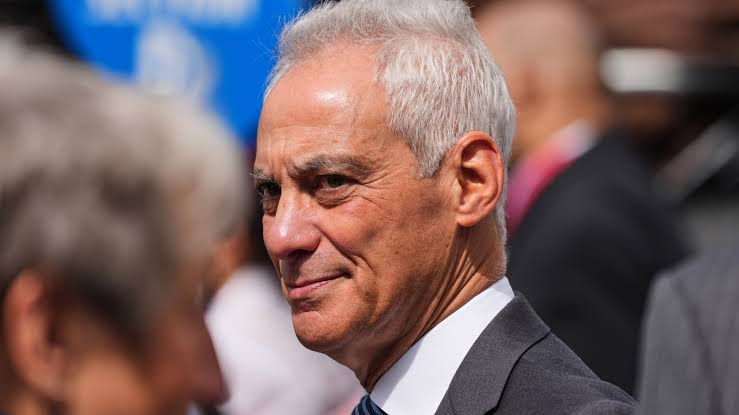
The long-standing alliance between the United States and Israel is entering one of its most challenging periods in decades. While Washington has historically maintained bipartisan support for Israel, recent political developments suggest that this consensus is weakening—particularly among Democrats. That shift became even more visible after former Chicago Mayor, White House Chief of Staff, and U.S. Ambassador to Japan Rahm Emanuel delivered one of his strongest public criticisms yet of Israeli Prime Minister Benjamin Netanyahu.
Emanuel, long viewed as a staunch supporter of Israel, warned that the U.S.-Israel relationship is now “at a crossroads” and argued that unconditional American support can no longer continue without significant policy changes. His remarks have sparked debate across Washington and Jerusalem, highlighting broader concerns about the future of one of America’s closest strategic partnerships.
Why Rahm Emanuel’s Comments Matter
Rahm Emanuel is not considered a fringe political figure. Throughout his career, he has served in senior Democratic administrations, represented Illinois in Congress, and maintained strong ties with pro-Israel communities.
That is why his criticism of Netanyahu has attracted widespread attention.
Speaking ahead of a major address in Tel Aviv, Emanuel argued that Israel’s relationship with the United States “cannot survive as it has been.” According to prepared remarks, he blamed Netanyahu’s leadership for isolating Israel diplomatically while damaging bipartisan support in Washington.
His speech also reportedly proposed several policy changes, including:
- Conditioning certain forms of U.S. military assistance.
- Sanctioning Israeli settlers involved in attacks against Palestinians.
- Treating Israel similarly to other U.S. allies regarding defense financing.
- Renewing diplomatic efforts toward a broader regional peace framework.
Declining Support for Israel in American Politics
The biggest political shift is occurring inside the Democratic Party.
Recent polling cited by multiple news organizations indicates that a growing share of Democratic voters believe the United States is too supportive of Israel. Concerns surrounding the Gaza conflict, humanitarian issues, and settlement expansion have contributed to changing public opinion.
This trend represents a major departure from decades of bipartisan consensus.
Younger Democratic voters, progressive lawmakers, and some moderate officials have increasingly questioned whether unconditional military and diplomatic backing remains the best approach for advancing both American interests and regional stability.
Republicans, meanwhile, largely continue to support strong military cooperation with Israel, though some conservative voices have also raised concerns over America’s broader involvement in Middle East conflicts.
Netanyahu Faces Growing International Pressure
Benjamin Netanyahu has consistently defended Israel’s military actions as necessary for national security.
However, his government has faced growing criticism from:
- European allies
- International organizations
- Human rights groups
- Some former American officials
- Increasing numbers of Democratic lawmakers
Emanuel argued that Netanyahu has led Israel toward increasing diplomatic isolation while reducing international goodwill that had taken decades to build.
Supporters of Netanyahu reject those claims, arguing that Israel continues to face unprecedented security threats and that military actions remain necessary to protect civilians from attacks by militant organizations.
The Political Impact in Washington
The timing of Emanuel’s remarks is significant.
As speculation grows over potential Democratic candidates for the 2028 presidential election, foreign policy toward Israel is becoming an increasingly important issue inside the party.
Unlike previous election cycles where nearly all major Democratic candidates expressed nearly identical positions on Israel, future campaigns may feature substantial disagreements over:
- Military aid
- Settlement policy
- Humanitarian assistance
- Palestinian statehood
- U.S. diplomatic strategy
Emanuel appears to be positioning himself as someone who supports Israel’s long-term security while advocating stronger accountability for its government.
Why Public Opinion Is Changing
Several factors have contributed to changing American attitudes.
1. The Gaza Conflict
Images of civilian suffering during the ongoing conflict have generated intense debate inside the United States, particularly among younger voters.
2. Social Media
Unlike previous wars, information, videos, and commentary now spread instantly across platforms, allowing Americans to follow developments in real time.
3. Generational Differences
Polling consistently shows younger Americans expressing more sympathy toward Palestinians than older generations.
4. Democratic Party Evolution
The party has become more ideologically diverse, with progressive lawmakers advocating greater scrutiny of Israeli government policies while maintaining support for Israel’s security.
Could U.S. Policy Actually Change?
Despite growing criticism, dramatic policy changes remain unlikely in the immediate future.
The United States and Israel continue to cooperate closely on:
- Intelligence sharing
- Missile defense
- Regional security
- Counterterrorism
- Military technology
Congress also continues to provide significant bipartisan support for Israel, although debates over military assistance have become more frequent than in previous years.
Any future administration would likely seek to balance Israel’s security needs with increasing domestic pressure for stronger human rights protections and diplomatic engagement.
International Consequences
Changes in American public opinion could have broader geopolitical consequences.
Countries across Europe and the Middle East closely watch Washington’s relationship with Israel because U.S. policy often influences broader diplomatic initiatives.
If future American administrations adopt a more conditional approach toward military aid or diplomatic support, Israel could face increased pressure to engage in renewed peace negotiations.
Conversely, continued regional instability—including conflicts involving Iran and proxy groups—could reinforce the strategic partnership despite political disagreements.
Netanyahu’s Political Challenge
Netanyahu also faces domestic political pressures inside Israel.
Opposition leaders argue that his policies have weakened Israel’s international standing, while supporters credit him with maintaining national security during an exceptionally volatile period.
Upcoming political developments inside Israel may determine whether the country’s relationship with Washington stabilizes or experiences additional strain.
What Comes Next?
Rahm Emanuel’s speech represents more than criticism of one Israeli leader.
It reflects a broader transformation in American political thinking about the U.S.-Israel alliance.
While support for Israel remains strong across much of Washington, growing divisions inside the Democratic Party suggest future presidents may approach the relationship differently than previous administrations.
For now, the strategic alliance remains intact. However, debates over military aid, diplomacy, humanitarian policy, and regional peace are likely to become increasingly prominent as both countries navigate changing political landscapes.
As tensions continue across the Middle East, the future of U.S.-Israel relations may depend not only on events in the region but also on shifting public opinion within the United States itself. (AP News)
Also Read: Oil Prices Surge After US Strikes Iran, Reversing Pre-War Market Gains to understand how renewed Middle East tensions are affecting global energy markets, inflation concerns, and investor sentiment.