The fragile ceasefire between the United States and Iran has effectively collapsed after President Donald Trump declared that the agreement was “over” following a new exchange of military strikes between both nations. The latest escalation marks a dramatic shift in one of the world’s most dangerous geopolitical conflicts, raising concerns about regional stability, global oil markets, and the future of diplomatic negotiations.
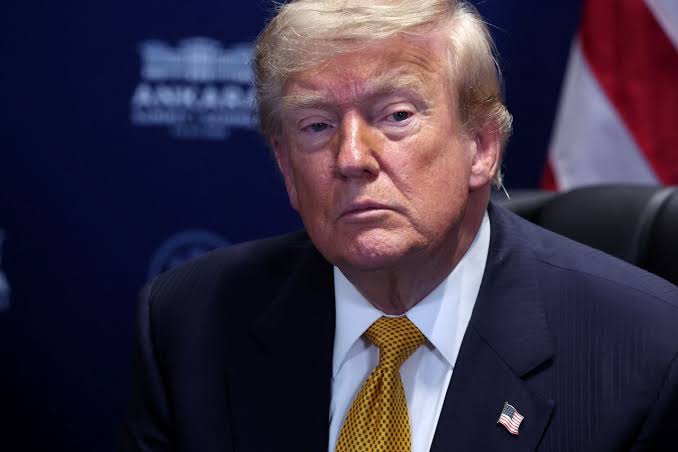
Trump made the announcement while attending the NATO summit, signaling that the United States would no longer pursue the temporary truce established earlier this year. His remarks came after U.S. forces launched fresh military operations against Iranian targets and Iran responded with missile and drone attacks targeting American military installations in the Gulf.
The renewed conflict has once again placed the Middle East at the center of global attention as world leaders monitor whether the situation could escalate into a broader regional war.
Why Did Trump Declare the Ceasefire Over?
President Trump stated that continuing negotiations with Iran had become “a waste of time” after months of unsuccessful diplomatic efforts. According to the administration, the ceasefire agreement had failed to produce meaningful progress toward limiting Iran’s military activities or resolving disputes over regional security.
Trump also criticized Iran’s leadership and indicated that the United States would respond forcefully to any further attacks on American interests. His declaration effectively ended hopes that the temporary ceasefire could evolve into a long-term peace agreement.
The announcement represents one of the most significant foreign policy developments of the year and has triggered immediate reactions from governments across Europe, the Middle East, and Asia.
What Triggered the Latest Military Exchange?
The latest confrontation began after U.S. military forces carried out strikes against Iranian military infrastructure following attacks on commercial shipping and heightened tensions around the Strait of Hormuz.
Iran responded by launching missiles and drones toward U.S. military facilities in Bahrain and Kuwait, accusing Washington of violating previous understandings and escalating the conflict.
American officials defended the strikes as necessary measures to protect U.S. personnel and international shipping routes, while Iranian leaders described them as acts of aggression.
The rapid exchange of attacks demonstrated how quickly the ceasefire had deteriorated despite previous diplomatic efforts.
Background of the US-Iran Ceasefire
Earlier in 2026, both countries agreed to an interim ceasefire intended to reduce military tensions and create an opportunity for indirect negotiations over Iran’s nuclear program, sanctions, and maritime security.
The agreement was facilitated through international mediation and was viewed as an important opportunity to avoid a prolonged military conflict.
However, disagreements continued over:
- Economic sanctions
- Oil exports
- Military operations
- Strait of Hormuz security
- Regional proxy groups
Negotiations repeatedly stalled, and both sides accused each other of violating the spirit of the agreement.
As military incidents increased, confidence between Washington and Tehran steadily eroded.
Impact on Global Oil Markets
One of the immediate consequences of Trump’s announcement was a sharp rise in global oil prices.
Investors worried that renewed fighting around the Strait of Hormuz could disrupt one of the world’s most important energy shipping lanes. Nearly one-fifth of global oil supplies passes through the narrow waterway.
Energy markets reacted quickly as traders anticipated potential supply disruptions.
Shipping companies also began reassessing risks associated with operating in the Gulf region.
Analysts warn that if military operations continue, oil prices could remain volatile for weeks.
NATO’s Position
Trump’s declaration came during a NATO summit, placing America’s allies in a difficult diplomatic position.
Many NATO members have consistently supported diplomatic engagement while emphasizing the need to prevent Iran from threatening regional security.
The renewed fighting is expected to dominate discussions among alliance leaders as they consider possible responses and future military cooperation.
Several European governments have urged restraint and encouraged both sides to return to negotiations before the conflict expands further.
Iran’s Response
Iran strongly rejected Trump’s announcement and accused the United States of breaking previous commitments.
Iranian officials argued that recent U.S. military strikes violated earlier agreements and justified Tehran’s retaliatory actions.
Government statements emphasized that Iran would continue defending its territory and strategic interests while blaming Washington for escalating tensions.
The Iranian leadership also maintained that future diplomatic engagement would depend on changes in U.S. policy.
Diplomatic Fallout
The collapse of the ceasefire significantly complicates diplomatic efforts across the Middle East.
Countries including Qatar, Oman, and Pakistan have previously attempted to facilitate dialogue between Washington and Tehran.
With both sides exchanging military attacks again, mediators now face a much more difficult challenge.
International organizations have also expressed concern that continued escalation could destabilize neighboring countries and increase humanitarian risks throughout the region.
Economic Consequences
Beyond energy markets, investors are closely watching broader financial implications.
Potential consequences include:
- Rising fuel prices
- Increased shipping costs
- Market volatility
- Pressure on global inflation
- Uncertainty for international trade
Defense-related industries may experience increased government spending, while sectors dependent on stable energy prices could face additional pressure.
Financial markets generally react negatively when geopolitical uncertainty increases, especially involving major oil-producing regions.
What Happens Next?
Several scenarios remain possible.
The United States could continue targeted military operations if Iranian attacks persist.
Iran may expand retaliatory measures through direct military action or regional allies.
Alternatively, international mediators could attempt to revive negotiations despite the collapse of the ceasefire.
Diplomatic observers believe that although Trump’s declaration marks the end of the current agreement, future negotiations cannot be ruled out if both governments determine that prolonged conflict carries unacceptable economic and military costs.
For now, however, military readiness appears to be replacing diplomatic engagement.
Global Reactions
Governments around the world are urging restraint.
European leaders continue encouraging dialogue, while Gulf nations remain concerned about regional stability and energy security.
Asian economies, heavily dependent on Middle Eastern oil supplies, are also monitoring developments closely.
Financial institutions and security analysts believe the coming weeks will determine whether the latest exchange remains limited or evolves into a much larger regional confrontation.
Conclusion
Trump’s declaration that the ceasefire with Iran is “over” marks a major turning point in U.S.-Iran relations. The renewed military exchanges demonstrate how fragile the previous agreement had become after months of stalled negotiations and growing mistrust.
The immediate consequences include rising oil prices, increased geopolitical uncertainty, and renewed concerns about security in the Strait of Hormuz. While diplomatic channels remain open in theory, both Washington and Tehran currently appear focused on military deterrence rather than negotiation.
The international community will be watching closely to determine whether this latest escalation leads to sustained conflict or eventually creates new opportunities for diplomacy. With global markets reacting rapidly and regional tensions increasing, the outcome will likely influence international politics and economic stability well beyond the Middle East. (Reuters)
Read Next: Want to know more about the leader currently heading NATO? Read our detailed guide on Who Is Mark Rutte? Height, Partner, NATO Secretary General, Nationality, and Political Career.