Introduction
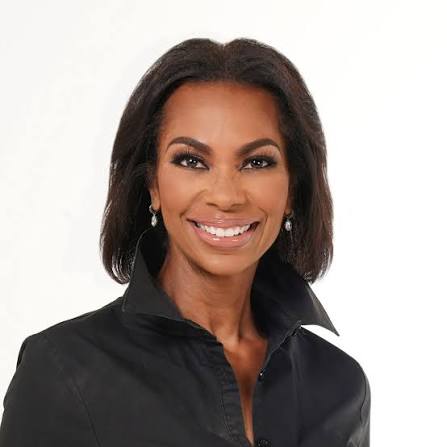
A heated political exchange over America’s Independence Day celebrations has drawn national attention after Fox News host Harris Faulkner publicly criticized New York City Mayor Zohran Mamdani, declaring, “He’s not my mayor.” The remark came during a live television discussion following Mamdani’s July 4 address, which focused on immigration, wealth inequality, and America’s founding ideals.
The exchange quickly spread across social media and political news outlets, fueling debate over patriotism, immigration policy, and the growing ideological divide between conservative commentators and progressive city leaders.
This article explains what happened, why Faulkner made the comment, how Mayor Mamdani responded through his speech, and why the controversy matters in today’s political climate.
Why Did Harris Faulkner Say “Not My Mayor”?
During Fox News’ Outnumbered broadcast from Liberty State Park in New Jersey on Independence Day, Harris Faulkner reacted strongly to Mayor Zohran Mamdani’s July 4 speech.
After fellow panelists criticized the mayor’s remarks, Faulkner stated:
“Well, he’s not my mayor. I wouldn’t have had him.”
She immediately clarified that she lives on the New Jersey side of the Hudson River, adding that New York City voters elected Mamdani and that their choice should be respected, even if she disagreed with his message.
Her comments rapidly circulated online, becoming one of the most-discussed political television moments of the holiday weekend.
What Did Mayor Zohran Mamdani Say?
Mayor Mamdani delivered his Independence Day address from New York City Hall while standing behind George Washington’s historic desk and surrounded by naturalized American citizens.
Rather than giving a traditional patriotic speech, he focused on themes including:
- Immigration and citizenship
- Economic inequality
- Democratic participation
- Equal opportunity
- Criticism of concentrated wealth
One line attracted particular attention:
America has been viewed by powerful elites as “an arena of supremacy” where freedom has not always been equally available.
Conservative commentators argued the statement portrayed the United States unfairly during a national celebration, while supporters said Mamdani was highlighting historical inequalities while encouraging progress.
Immigration Became the Central Issue
Another controversial portion of the mayor’s speech involved federal immigration enforcement.
Mamdani criticized Immigration and Customs Enforcement (ICE), accusing agents of creating fear within immigrant communities and carrying out aggressive enforcement tactics.
He argued that immigrants deserve dignity and legal protections regardless of political disagreements.
These comments immediately drew criticism from conservative media personalities, who viewed the remarks as an attack on federal law enforcement during a patriotic holiday.
Why the Remarks Sparked Political Debate
The controversy extends beyond a single television exchange.
It reflects broader disagreements over several national issues:
Competing Visions of Patriotism
Supporters of Faulkner argued Independence Day should emphasize national unity, military service, and America’s achievements rather than criticism.
Supporters of Mamdani believe patriotism includes acknowledging historical shortcomings while working toward greater equality.
Immigration Policy
Immigration remains one of America’s most divisive political topics.
Mamdani has consistently advocated protections for immigrant communities, while many conservatives support stronger border enforcement and expanded ICE operations.
The July 4 speech highlighted these opposing perspectives once again.
Progressive vs Conservative Leadership
The exchange also symbolizes the ideological divide between:
- Progressive city governments
- Conservative national media
- Federal immigration priorities
- Local governance
As political polarization increases ahead of future elections, moments like these continue generating widespread public attention.
Who Is Zohran Mamdani?
Zohran Mamdani became one of the most prominent progressive political figures in the United States after being elected mayor of New York City.
Before becoming mayor, he served in the New York State Assembly, where he advocated for:
- Affordable housing
- Labor rights
- Public transportation improvements
- Criminal justice reform
- Expanded immigrant protections
His election marked several historic milestones, including becoming New York City’s first Muslim mayor and first South Asian mayor.
Public Reaction on Social Media
The exchange generated thousands of reactions across X, Facebook, YouTube, and political discussion forums.
Supporters of Harris Faulkner argued:
- She defended traditional patriotic values.
- Independence Day should celebrate America rather than criticize it.
- Conservative viewers appreciated her direct response.
Supporters of Mayor Mamdani argued:
- His speech reflected America’s ongoing pursuit of equality.
- Honest discussion of national challenges is patriotic.
- Immigration and inclusion remain important national issues.
The debate quickly became another example of how political commentary now spreads rapidly across television and social media simultaneously.
Why This Story Matters
Although the exchange lasted only moments during a television broadcast, it illustrates larger political tensions shaping American public discourse.
Questions raised include:
- What does patriotism mean in modern America?
- Should Independence Day speeches focus primarily on celebration or reflection?
- How should political leaders discuss immigration during national holidays?
- Can public officials balance criticism of government policies with expressions of national pride?
These debates are likely to continue throughout the current political cycle as national attention remains focused on immigration, public safety, and cultural identity.
Conclusion
Harris Faulkner’s declaration that Zohran Mamdani was “not my mayor” became one of the most talked-about political moments following Independence Day. While Faulkner criticized the mayor’s framing of America and his comments on immigration enforcement, Mamdani’s supporters viewed his speech as a call for a more inclusive vision of the country.
The controversy reflects broader ideological divisions over patriotism, immigration, and the role of political leaders during national celebrations. As these debates continue to shape public opinion, exchanges like this underscore how televised commentary and political speeches can quickly become nationwide conversations.
Read Next: Fireworks Light Up the Sky After Trump’s Independence Day Address to see how nationwide July 4 celebrations complemented the political events that dominated the holiday news cycle.