The United States Midterm Election 2026 is shaping up to be one of the most consequential elections in recent American political history. Scheduled for Tuesday, November 3, 2026, the election will determine control of Congress during President Donald Trump’s second term and could significantly influence the direction of U.S. policy over the next two years.
Unlike presidential elections, midterms do not decide the White House. Instead, voters elect members of Congress, governors in many states, and thousands of state and local officials. Historically, the president’s party often loses congressional seats during midterm elections, making 2026 especially important for both Republicans and Democrats.
Here’s everything you need to know about the 2026 U.S. midterm elections.
When Is the United States Midterm Election 2026?
The 2026 United States Midterm Election will take place on:
Election Day: Tuesday, November 3, 2026
Federal law requires congressional elections to be held on the Tuesday following the first Monday in November of every even-numbered year. This election falls exactly halfway through President Donald Trump’s four-year term.
What Offices Are Up for Election?
The 2026 elections involve much more than Congress.
U.S. House of Representatives
- All 435 voting seats are on the ballot.
- Every House member serves a two-year term.
- Control of the House can shift dramatically depending on competitive districts.
U.S. Senate
- 35 Senate seats are being contested (including regular and special elections).
- Senators serve six-year terms, with roughly one-third elected every two years.
Governors
- 39 gubernatorial races (including territories) are expected in 2026, making it one of the busiest election years for governors.
Why the 2026 Midterms Matter
The results could reshape Washington for the remainder of President Trump’s term.
If Republicans retain both chambers of Congress, the administration may have an easier path advancing legislation on immigration, taxes, spending, and judicial appointments.
If Democrats regain either the House or Senate, Congress could become divided, increasing oversight, investigations, and legislative gridlock.
The election will also influence:
- Federal budget negotiations
- Immigration policy
- Tax legislation
- Healthcare reforms
- Foreign policy funding
- Supreme Court confirmations (if vacancies occur)
Key Senate Races to Watch
Several Senate contests are already drawing national attention.
Texas
Texas is expected to be one of the nation’s marquee Senate battles, with heavy fundraising and national attention focused on both parties.
Georgia
Georgia remains one of America’s premier battleground states where demographic shifts continue to make statewide races highly competitive.
North Carolina
North Carolina is again expected to be among the closest Senate races, with both parties investing significant campaign resources.
Several additional competitive races across the Midwest and Southwest could ultimately determine Senate control.
Key House Races
Every House seat is contested every two years, but only a limited number of districts typically determine the majority.
Political analysts are closely watching:
- Suburban districts
- Swing districts
- Newly redrawn congressional maps
- Competitive seats in Arizona, Pennsylvania, Michigan, New York, California, and Wisconsin
Redistricting continues to influence the electoral map heading into November.
Major Issues Expected to Decide the Election
Several issues are expected to dominate campaign messaging.
Economy
Inflation, wages, federal spending, taxes, and economic growth remain top voter concerns.
Immigration
Border security continues to be one of the defining issues of President Trump’s second administration and will likely feature heavily in campaign advertising.
Healthcare
Prescription drug costs, insurance access, and Medicare funding remain key concerns.
Crime and Public Safety
Many candidates are expected to focus on policing, public safety, and criminal justice reforms.
Foreign Policy
International conflicts, defense spending, and America’s global role may also influence voter decisions.
Historical Midterm Trends
American history offers a clear pattern.
Since World War II, the president’s political party has frequently lost House seats during midterm elections.
This phenomenon occurs for several reasons:
- Lower voter turnout
- Midterm dissatisfaction
- Independent voters shifting toward the opposition
- Greater enthusiasm among opposition-party voters
Although history often favors the opposition, every election has unique political dynamics.
Current Political Landscape
Republicans currently hold narrow congressional majorities, making nearly every competitive district crucial.
Recent polling and election forecasts suggest several closely contested races, though analysts caution that public opinion can shift significantly before Election Day. Fundraising, candidate quality, turnout, and economic conditions will all play important roles.
Election Administration in Focus
Election security and administration are once again receiving national attention.
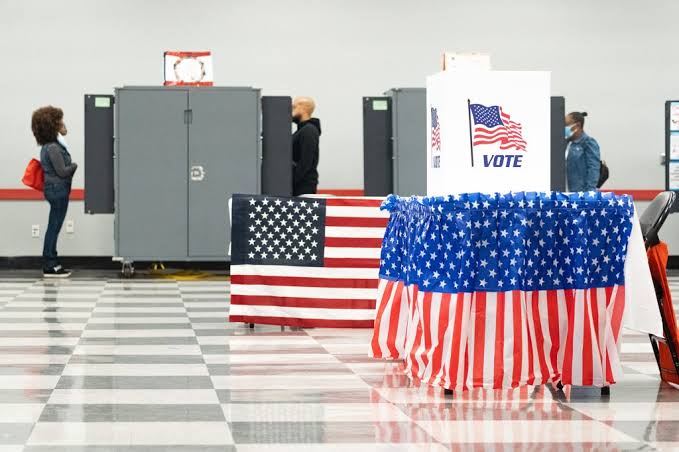
States continue updating voting procedures, while debates over mail voting, voter identification, and election oversight remain politically charged. Recent disputes in key battleground states have highlighted the importance of public confidence in election administration ahead of November.
What Voters Should Expect
Between now and Election Day, Americans can expect:
- Presidential campaign rallies
- Candidate debates
- Heavy television and digital advertising
- Large fundraising efforts
- Increased early voting
- Record campaign spending
- Extensive polling and political analysis
Competitive races may remain undecided until late in the campaign as turnout efforts intensify.
Final Thoughts
The United States Midterm Election 2026 will be one of the defining political events of the decade. With all 435 House seats, 35 Senate seats, dozens of governors’ offices, and thousands of state and local positions on the ballot, the election will determine the balance of power in Washington and shape U.S. policymaking through the remainder of President Donald Trump’s second term.
Whether voters prioritize the economy, immigration, healthcare, public safety, or other issues, the results on November 3, 2026, are likely to have lasting political consequences both domestically and internationally. As campaigns intensify over the coming months, the nation will closely watch key battleground states and competitive congressional districts that could decide control of Congress.
Also Read: Harris Faulkner rebukes NYC Mayor Mamdani: ‘Not my mayor’ — Explore how the Fox News anchor’s comments have fueled political debate ahead of the high-stakes 2026 U.S. midterm elections.