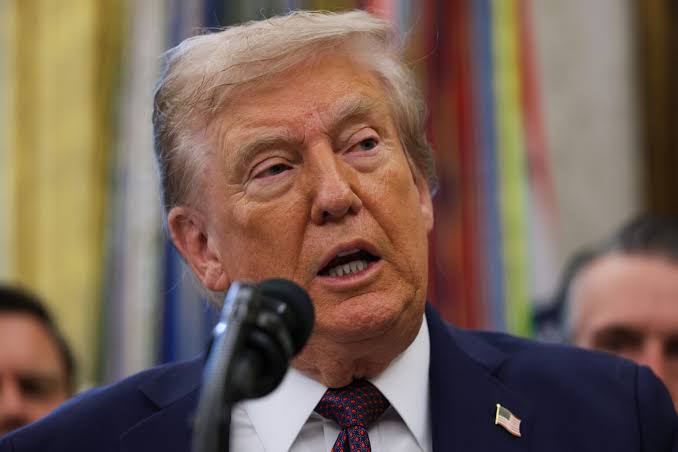
Political tensions inside the Republican Party reached a new level this week as President Donald Trump reportedly engaged in a heated confrontation with Senator Bill Cassidy over war powers, national security issues, and broader political concerns. The clash comes at a time when debates over Defense Secretary Pete Hegseth, U.S. military actions abroad, and voter sentiment in battleground states such as Michigan are dominating political discussions.
The disagreement highlights growing divisions within Republican ranks as lawmakers balance support for Trump with concerns about military authority, constitutional oversight, and voter priorities ahead of upcoming elections.
Trump and Cassidy Reportedly Clash Behind Closed Doors
According to reports from Washington, Trump and Senator Bill Cassidy had a tense exchange during a Senate Republican gathering. The confrontation reportedly centered on congressional oversight of military actions and ongoing debates surrounding U.S. involvement in foreign conflicts.
The dispute reflects a broader national conversation about the balance of power between Congress and the president when it comes to military operations. Several lawmakers from both parties have raised questions about how military decisions are being made and whether Congress is receiving sufficient consultation before major actions are authorized.
Cassidy has often positioned himself as a Republican willing to challenge Trump when he believes constitutional principles are at stake. The latest disagreement appears to continue that pattern and demonstrates the complex relationship between Trump and members of his own party.
Why War Powers Have Become a Major Political Issue
War powers have become one of the most debated issues in Washington following recent military operations and growing tensions overseas. Critics argue that Congress should have a larger role in authorizing military action, while supporters of the administration maintain that the president must retain flexibility to respond quickly to threats.
The issue has become especially significant because military decisions often influence public opinion, national security debates, and election campaigns. Lawmakers from both parties have introduced proposals seeking greater congressional oversight of military operations.
For many voters, the question is not only about foreign policy but also about constitutional checks and balances. As election season approaches, candidates are increasingly being asked where they stand on presidential war powers.
Pete Hegseth Finds Himself at the Center of Controversy
Defense Secretary Pete Hegseth has become a central figure in many of these debates. Since taking office, Hegseth has faced scrutiny from Democratic lawmakers and some Republicans regarding military policy, constitutional responsibilities, and the administration’s approach to foreign conflicts.
One of the most notable confrontations involved Michigan Senator Elissa Slotkin, who questioned whether military leaders would prioritize constitutional obligations over political loyalty. During Senate hearings and public appearances, Slotkin repeatedly raised concerns about the role of the military in domestic political matters and election-related scenarios.
Hegseth has defended the administration’s policies and argued that the Department of Defense remains committed to protecting American interests while operating within constitutional boundaries. Nevertheless, his statements and actions continue to attract attention from lawmakers, political analysts, and voters.
The Michigan Voter Factor
Michigan remains one of the most important battleground states in American politics. The state played a critical role in recent presidential elections and is expected to remain highly competitive in future contests.
Issues such as economic security, manufacturing jobs, healthcare, and national security continue to shape voter preferences across Michigan. Political strategists from both parties closely monitor how voters respond to major national controversies, including debates involving Trump, war powers, and military leadership.
Recent political discussions involving Senator Elissa Slotkin have further increased attention on Michigan’s role in national politics. As a prominent Democratic voice on national security matters, Slotkin’s exchanges with Hegseth have resonated with many voters who are concerned about constitutional governance and military oversight.
Republicans, meanwhile, continue to focus on issues such as border security, economic growth, and support for Trump’s policy agenda. The result is an increasingly competitive political environment where every major controversy can influence public opinion.
Growing Republican Divisions
The reported clash between Trump and Cassidy illustrates broader divisions within the Republican Party. While Trump maintains strong support among many Republican voters, some lawmakers have expressed concerns about specific policy decisions, particularly regarding foreign affairs and executive authority.
These disagreements do not necessarily signal a complete break within the party. However, they demonstrate that Republican leaders are grappling with important questions about the future direction of the party and its governing philosophy.
What This Means for Future Elections
The combination of Trump’s influence, ongoing foreign policy debates, and concerns from key swing-state voters could shape future election outcomes. Michigan, Pennsylvania, Wisconsin, and other battleground states are expected to play decisive roles in determining political control in Washington.
Voters increasingly want clear answers regarding national security, economic stability, and government accountability. Candidates who can effectively address these concerns may gain a significant advantage.
At the same time, internal party disputes can create challenges for political leaders seeking to present a united message. The Trump-Cassidy clash serves as a reminder that policy disagreements continue to exist even within major political coalitions.
Conclusion
The reported confrontation between Donald Trump and Senator Bill Cassidy highlights the growing importance of war powers, military oversight, and constitutional governance in American politics. With Defense Secretary Pete Hegseth facing continued scrutiny and Michigan voters remaining highly influential in national elections, these issues are unlikely to fade anytime soon.
As lawmakers debate the proper balance between presidential authority and congressional oversight, voters will continue evaluating how their leaders handle questions of war, national security, and democratic accountability. The outcome of these debates could have a lasting impact on both the Republican Party and the broader political landscape in the United States.