Introduction
The fragile pause in hostilities between the United States and Iran has once again collapsed, raising fears of a broader regional conflict. After weeks of diplomatic efforts and an interim ceasefire, both nations exchanged fresh military strikes, prompting renewed concerns over Middle East stability, global oil supplies, and financial markets.
The latest Iran war news has dominated international headlines as President Donald Trump declared the ceasefire “over” following Iran’s attacks on U.S. military facilities in the Gulf. The renewed fighting has already influenced the stock market today, pushing oil prices higher and increasing investor uncertainty.
Here’s what triggered the latest escalation, why diplomacy failed, and what could happen next.
Why Did US-Iran Strikes Resume?
The renewed conflict began after Iran launched missile and drone attacks against U.S. military installations in Bahrain and Kuwait. According to U.S. officials, these attacks were retaliation for earlier American strikes targeting Iranian military infrastructure following attacks on commercial shipping in the Strait of Hormuz.
Washington responded with another wave of airstrikes against Iranian military assets, arguing that the action was necessary to protect American forces and secure international shipping lanes. Iran condemned the attacks as a violation of previous agreements and vowed further retaliation.
The exchange effectively ended hopes that recent diplomatic talks would stabilize the region.
What Triggered the Latest Escalation?
Several major developments contributed to the breakdown.
1. Strait of Hormuz Security
The Strait of Hormuz remains one of the world’s most critical energy corridors.
Recent attacks on commercial vessels significantly increased tensions, with the U.S. blaming Iranian-backed forces for threatening global shipping.
The United States responded militarily to restore maritime security, while Iran viewed the strikes as direct aggression.
2. Collapse of the Interim Ceasefire
Only days earlier, U.S. and Iranian negotiators had reportedly agreed to halt counter-strikes while diplomatic discussions continued.
However, both sides accused each other of violating the agreement almost immediately.
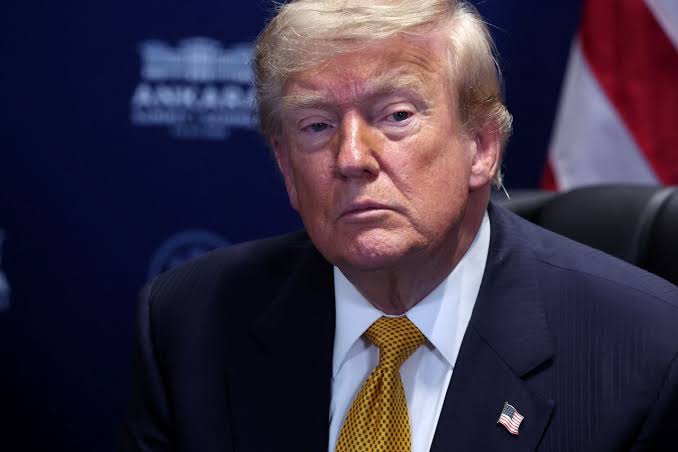
President Trump later declared the ceasefire “over,” saying Iran had crossed a red line with fresh attacks on U.S. military facilities.
3. Failed Diplomatic Negotiations
Negotiations focused on:
- Nuclear issues
- Regional security
- Shipping access
- Sanctions relief
Despite progress during earlier talks, disagreements over enforcement and military operations prevented a lasting agreement.
Diplomatic channels remain open, but trust between both governments appears to be rapidly deteriorating.
Trump’s Response
President Donald Trump adopted a much tougher stance following the renewed attacks.
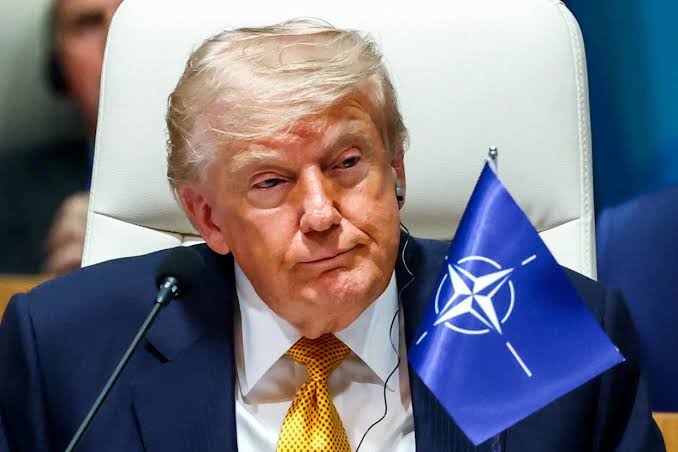
Speaking before international leaders, Trump announced that the interim understanding with Iran had effectively ended.
He also suggested additional military measures could follow if Iran continues targeting American interests in the Gulf region.
His remarks signal a shift away from diplomacy toward increased military pressure.
Iran’s Position
Iran maintains that its actions were defensive.
Officials argue that U.S. strikes inside Iranian territory violated previous commitments and justified retaliation.
Iran continues insisting that sanctions relief and guarantees against future military action must be part of any lasting agreement.
Iranian military officials have also warned that additional attacks could occur if the United States expands its operations.
Stock Market Today: How Investors Reacted
One of the first global reactions appeared in financial markets.
The stock market today reflected growing uncertainty as investors evaluated the possibility of prolonged conflict.
Major market developments included:
- Oil prices climbing to two-week highs
- Increased demand for gold
- Defensive sectors outperforming
- Airline and transportation stocks facing pressure
- Energy companies posting gains
Analysts say investors are once again pricing geopolitical risk into global markets.
Why Oil Prices Are Rising
The Strait of Hormuz carries roughly one-fifth of the world’s oil shipments.
Any disruption immediately affects global energy markets.
Following the latest strikes:
- Brent crude moved above recent trading ranges.
- West Texas Intermediate also advanced sharply.
- Shipping insurance costs increased.
- Energy traders began factoring in supply risks.
If attacks continue, analysts warn that fuel prices could remain elevated for weeks.
Global Reactions
World leaders are urging restraint.
Several countries have called for:
- Immediate de-escalation
- Protection of commercial shipping
- Continued diplomatic negotiations
- Prevention of wider regional conflict
International organizations also warned that continued fighting could destabilize global trade and increase humanitarian concerns.
Could This Become a Larger Regional Conflict?
Security experts believe several scenarios remain possible.
Scenario 1: Limited Military Exchange
Both countries continue targeted strikes without launching a full-scale war.
This remains the most likely short-term outcome.
Scenario 2: Expanded Regional Conflict
Iran-backed groups across the Middle East could become involved, potentially widening the conflict beyond direct U.S.-Iran confrontation.
Scenario 3: Return to Negotiations
Despite public rhetoric, diplomatic mediators may eventually persuade both sides to resume talks.
Recent history suggests both governments still recognize the high cost of prolonged conflict.
Impact on Global Economy
The renewed fighting could affect more than energy markets.
Potential economic consequences include:
- Higher inflation due to rising fuel costs
- Increased shipping expenses
- Supply chain disruptions
- Greater stock market volatility
- Pressure on central bank policy decisions
Investors are closely watching whether hostilities remain limited or continue escalating.
Latest Iran War News
The latest Iran war news indicates both governments remain on high military alert.
American forces continue monitoring shipping routes, while Iran has warned against further U.S. military operations.
Diplomatic efforts have not completely ended, but prospects for an immediate breakthrough appear uncertain after the latest exchange of strikes.
What Comes Next?
Several developments will determine the next phase:
- Whether additional retaliatory strikes occur
- Progress of international mediation
- Security conditions in the Strait of Hormuz
- New economic sanctions
- Military deployments by regional allies
Markets, governments, and energy companies will all be watching these developments closely over the coming days.
Conclusion
The decision by both the United States and Iran to resume military strikes marks one of the most significant setbacks for regional diplomacy this year. The collapse of the ceasefire has renewed fears of prolonged instability, rising oil prices, and continued volatility in the stock market today.
Although diplomatic channels remain open, recent events suggest both nations are preparing for further confrontation while leaving only limited room for immediate compromise.
As the latest Iran war news continues to unfold, the coming days will likely determine whether the crisis moves toward wider conflict or renewed negotiations.
Related: Read our detailed coverage of “Trump Declares Ceasefire Over After US and Iran Exchange Military Strikes“ to understand how the ceasefire collapsed and the events that led to the latest escalation in U.S.-Iran tensions.