Global energy markets were thrown back into turmoil after oil prices surged following fresh US military strikes on Iran, wiping out the sharp decline that had previously returned crude prices to pre-war levels. The latest escalation between Washington and Tehran has once again placed the Middle East at the center of global financial concerns, with investors fearing disruptions to oil supplies, shipping routes, and broader economic stability.
Brent crude and West Texas Intermediate (WTI) crude both climbed sharply as traders reacted to renewed geopolitical risks. The rally marked a dramatic reversal from just days earlier, when optimism surrounding a temporary ceasefire had pushed oil prices back toward levels seen before the conflict erupted.
As tensions continue to escalate, analysts warn that energy markets could remain volatile for weeks, with the Strait of Hormuz once again becoming the world’s most closely watched shipping corridor.
Why Did Oil Prices Jump?
The latest surge came after the United States launched military strikes against Iranian targets in response to attacks on commercial vessels traveling through the Strait of Hormuz.
At nearly the same time, Washington revoked a temporary sanctions waiver that had allowed limited Iranian crude exports, signaling a tougher stance against Tehran. The twin developments immediately reignited fears of reduced oil supply and higher transportation risks.
Oil traders quickly priced in these risks, sending futures markets sharply higher.
Brent crude climbed above $76–78 per barrel, while WTI crude rose above $72–74 per barrel, reaching their highest levels in roughly two weeks.
How the Market Reversed Its Pre-War Gains
Only days earlier, oil markets had been moving in the opposite direction.
A temporary ceasefire between the US and Iran had eased concerns about disruptions in the Persian Gulf. Shipping activity through the Strait of Hormuz had gradually resumed, allowing oil prices to retreat toward pre-war levels.
Investors believed diplomatic negotiations would continue and Iranian crude exports might stabilize global supply.
However, those expectations collapsed almost overnight after fresh military action and renewed sanctions.
The reversal demonstrates just how sensitive energy markets remain to geopolitical developments in the Middle East. Even modest changes in perceived supply risks can trigger major price swings across global commodities.
Why the Strait of Hormuz Matters
Much of the market reaction centers on one critical location—the Strait of Hormuz.
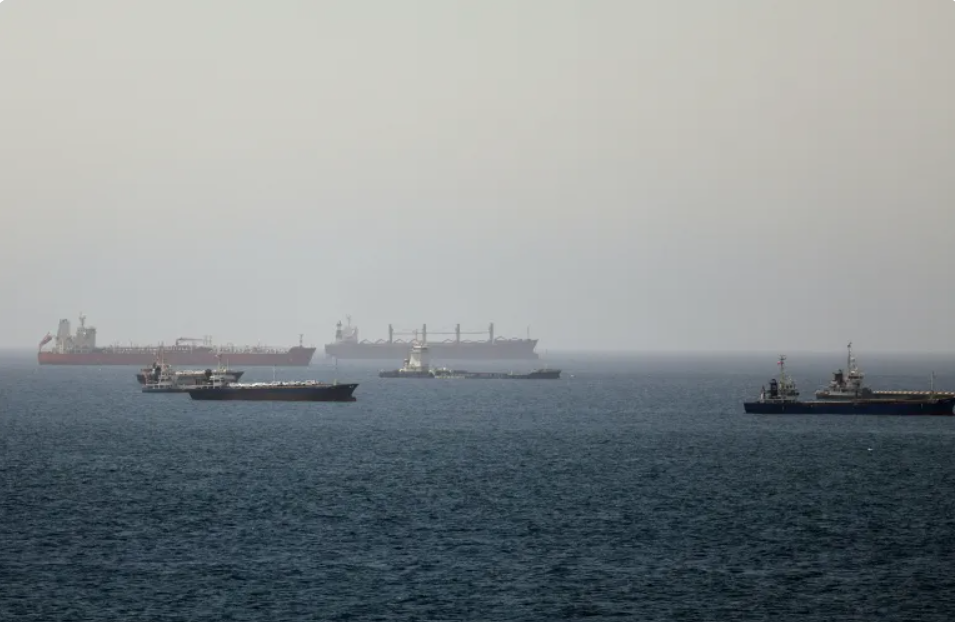
The narrow waterway connects the Persian Gulf with international markets and serves as one of the world’s busiest energy shipping routes.
Before the conflict intensified, approximately 20% of global oil and energy supplies moved through this corridor.
Recent attacks on commercial vessels have raised concerns that shipping companies could reroute tankers or temporarily suspend operations, reducing available global oil supplies and increasing transportation costs.
Several vessels have reportedly delayed or altered their routes due to growing security concerns.
Impact on Global Stock Markets
Higher oil prices typically increase inflation concerns while raising costs for businesses and consumers.
Following the latest escalation:
- US stock futures weakened.
- European markets moved lower.
- Several Asian indexes declined as investors shifted toward safer assets.
- Airline, transportation, and manufacturing companies came under pressure because of rising fuel costs.
Meanwhile, energy companies and oil producers generally outperformed broader markets as investors anticipated stronger earnings from higher crude prices.
What It Means for Inflation
Oil remains one of the world’s most important commodities.
When crude prices rise, the impact often spreads across the broader economy:
- Higher gasoline prices
- Increased diesel costs
- More expensive shipping
- Rising airline ticket prices
- Higher manufacturing expenses
- Increased food transportation costs
Central banks closely monitor oil prices because prolonged increases can complicate efforts to reduce inflation.
If the conflict continues, policymakers may face renewed pressure as energy inflation returns.
Could Oil Prices Rise Even Further?
Analysts say much depends on whether the current military confrontation expands further.
Several scenarios could push prices higher:
- Additional attacks on commercial shipping
- Closure or severe disruption of the Strait of Hormuz
- Expanded sanctions on Iranian exports
- Broader regional military involvement
- Reduced production from Gulf energy producers
Conversely, renewed diplomatic negotiations or another ceasefire could quickly ease market fears and send oil prices lower once again.
For now, volatility is expected to remain elevated.
Effects on Consumers
Consumers worldwide could begin noticing the impact if elevated crude prices persist.
Potential effects include:
- Rising fuel prices at gas stations
- Higher airline fares
- Increased delivery costs
- More expensive imported goods
- Higher household energy bills in some regions
Although retail fuel prices do not always move immediately with crude oil, sustained increases generally filter through over time.
What Investors Are Watching Next
Markets are now closely monitoring several developments:
US Policy
Investors want to know whether additional military operations or sanctions will follow.
Iran’s Response
Any retaliation targeting shipping lanes or regional infrastructure could trigger another sharp rally in oil.
Shipping Activity
Normal tanker traffic through the Strait of Hormuz would help calm markets.
Diplomatic Talks
Signs of renewed negotiations could reverse some of the recent gains in crude prices.
Outlook for Global Energy Markets
The latest rally highlights how quickly geopolitical developments can reshape commodity markets.
Only days after optimism pushed crude prices back to pre-war levels, renewed fighting erased those gains entirely.
While global oil inventories remain relatively stable, uncertainty surrounding Middle East security continues to dominate trader sentiment.
If tensions ease, prices could stabilize once more.
If the conflict widens, however, analysts warn that oil could remain elevated for an extended period, increasing inflationary pressures and weighing on economic growth worldwide.
For investors, businesses, and consumers alike, developments in the US-Iran conflict have once again become one of the most important drivers of global financial markets. (Reuters)
Read Also: US-Iran Strikes Resume: What Triggered the Escalation and What Comes Next? – Explore the timeline behind the renewed military confrontation, why the ceasefire collapsed, and what the escalating conflict means for global markets, oil prices, and regional security.