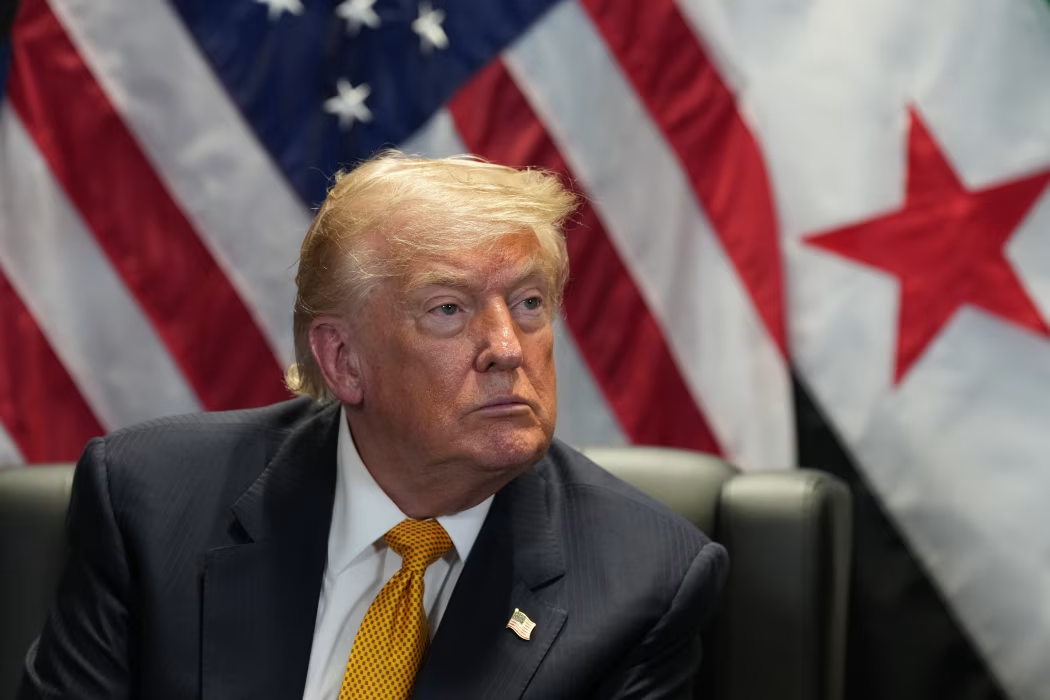
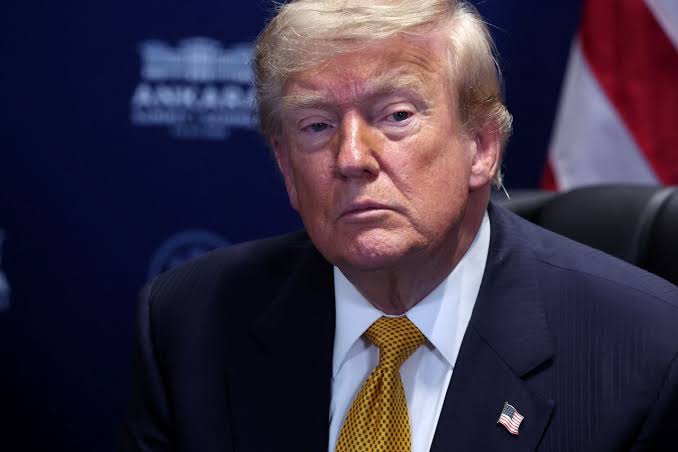
Relations between the United States and Spain took a dramatic turn after President Donald Trump declared that he wanted to halt trade with the European nation, saying, “I don’t want anything to do with Spain.” The remarks came during a tense NATO summit, where disagreements over defense spending and Spain’s position on the escalating Iran conflict deepened divisions between Washington and one of its long-time European allies.
Trump’s comments immediately sparked global attention, raising questions about whether the United States could realistically cut trade with Spain and what such a move would mean for NATO, the European Union, businesses, and global markets.
Why Did Trump Threaten Spain?
The latest dispute stems from two major issues.
First, Trump sharply criticized Spain for refusing to meet NATO’s proposed defense spending target of 5% of GDP. While Spain has increased military spending in recent years, Prime Minister Pedro Sánchez has argued that the higher target is unnecessary and financially unrealistic.
Second, tensions escalated after Spain reportedly refused to support certain U.S. military operations connected to the renewed conflict with Iran. Spanish officials have emphasized diplomacy and de-escalation instead of direct military involvement, putting Madrid at odds with Washington’s more aggressive strategy.
Speaking during the summit, Trump accused Spain of failing to support its allies and suggested the country had benefited economically from the United States without contributing enough to collective security.
Trump: “I Don’t Want Anything to Do With Spain”
Trump’s remarks were among the strongest directed at a NATO ally in recent years.
He announced that he had instructed his administration to halt trade with Spain, describing the country as a poor partner and signaling that economic measures would be used as leverage.
The comments reflected growing frustration within the Trump administration over burden-sharing inside NATO and disagreements over the Middle East conflict.
Spain Responds Calmly
Spanish officials quickly rejected Trump’s criticism.
Prime Minister Pedro Sánchez’s government emphasized that Spain remains committed to NATO while maintaining an independent foreign policy. Officials also pointed out that trade negotiations involving Spain are handled collectively by the European Union rather than individually by member states.
Madrid insisted that relations with Washington remain important despite political disagreements and reiterated its preference for diplomatic solutions to international conflicts.
Can the United States Actually Stop Trade With Spain?
The practical answer is far more complicated than Trump’s statement suggests.
Spain is a member of the European Union, meaning trade policy is managed by the European Commission rather than by Spain alone. Any attempt to impose broad trade restrictions against Spain would almost certainly affect the entire EU trading system.
Legal experts also note that sweeping restrictions could face domestic legal challenges in the United States and provoke retaliatory measures from Brussels.
While the White House may have authority to impose certain tariffs or targeted restrictions, ending all trade with Spain would be legally and diplomatically difficult.
Economic Impact
Although the United States and Spain are important trading partners, their economic relationship is relatively modest compared with broader U.S.-EU trade.
Spain exports products such as:
- Olive oil
- Wine
- Automotive components
- Pharmaceuticals
- Industrial machinery
- Chemicals
The United States also exports significant amounts of machinery, technology, aircraft parts, agricultural goods, and services to Spain.
Financial markets reacted quickly after Trump’s comments, with Spanish stocks experiencing notable declines as investors worried about possible trade disruptions.
Impact on NATO Unity
The dispute comes at a sensitive moment for NATO.
The alliance has been attempting to present a united front amid renewed tensions in the Middle East and growing concerns about European security.
Instead, public disagreements over defense spending, military cooperation, and trade have highlighted internal divisions among allies.
Analysts warn that prolonged disputes between Washington and European governments could complicate NATO decision-making and weaken diplomatic coordination during international crises.
European Union Reaction
European officials have largely defended Spain’s position.
EU institutions maintain that trade policy is negotiated collectively, meaning any U.S. action targeting Spain alone would have broader implications for relations with the entire European Union.
Brussels is expected to closely monitor developments while seeking to prevent further escalation between two major Western partners.
Market Reaction
Investors closely watched Trump’s announcement.
Several Spanish financial stocks declined as markets assessed the possibility of future tariffs or restrictions.
However, economists caution that investors are also aware of the legal and political obstacles involved in implementing a complete trade cutoff, limiting immediate economic panic.
Could This Become a Full Trade War?
At this stage, most experts believe a complete trade freeze remains unlikely.
The United States and the European Union maintain deep economic ties worth hundreds of billions of dollars annually.
Rather than a full embargo, observers believe targeted tariffs, diplomatic negotiations, or political pressure are more probable outcomes if tensions continue.
Still, Trump’s rhetoric signals that trade policy may increasingly become a tool of foreign policy during disputes with allies.
What Happens Next?
Several developments will determine whether the dispute escalates:
- Possible negotiations between U.S. and Spanish officials.
- Responses from the European Commission regarding any proposed trade measures.
- NATO discussions over defense spending commitments.
- Future developments in the Iran conflict that originally intensified tensions.
Markets and international leaders will be watching closely to see whether Trump’s threat becomes official policy or remains part of broader diplomatic pressure.
Conclusion
Trump’s declaration that he wants to cut off trade with Spain represents one of the most serious public confrontations between the United States and a NATO ally in recent years. Driven by disagreements over defense spending and Spain’s stance on the Iran conflict, the dispute underscores growing tensions within the Western alliance.
Although implementing a complete trade cutoff would face significant legal, diplomatic, and economic obstacles, the controversy has already affected financial markets and raised fresh concerns about transatlantic relations. Whether this dispute evolves into concrete trade action or ends through diplomacy will depend on negotiations in the weeks ahead. (Reuters)
Internal Link Statement:
For more on shifting U.S. foreign policy and domestic political reactions, read our analysis of Israel’s U.S. Support Declines as Rahm Emanuel Takes Aim at Netanyahu, which explores how changing American political dynamics are influencing Washington’s approach to key international allies.