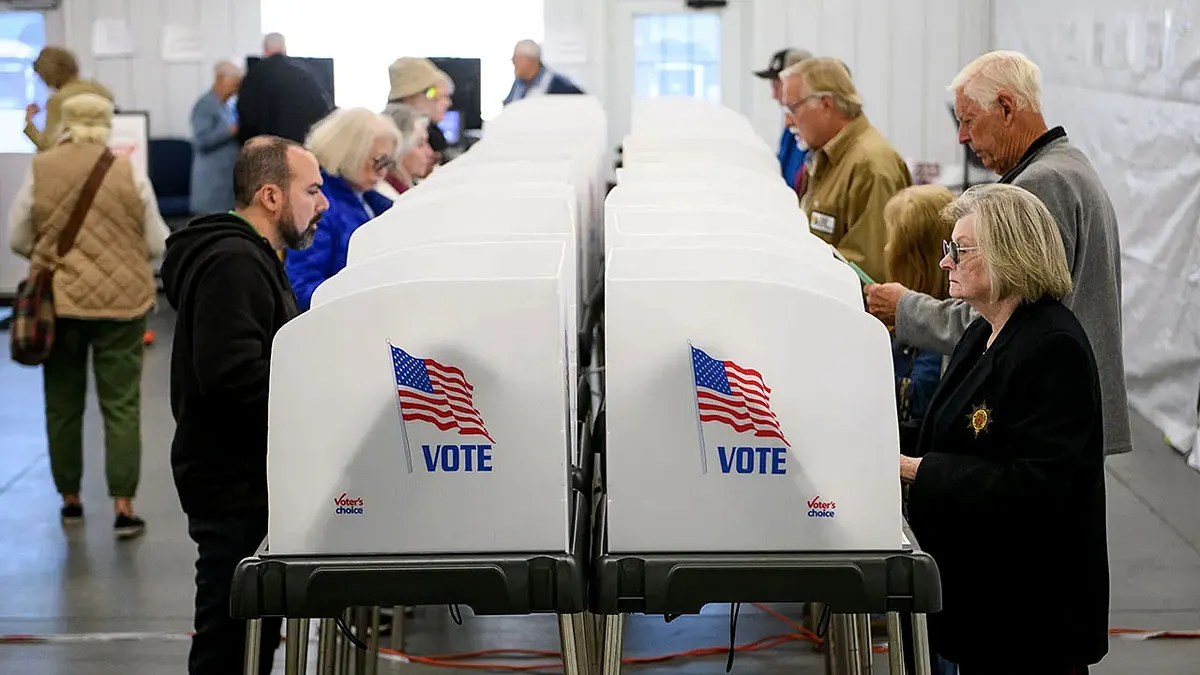
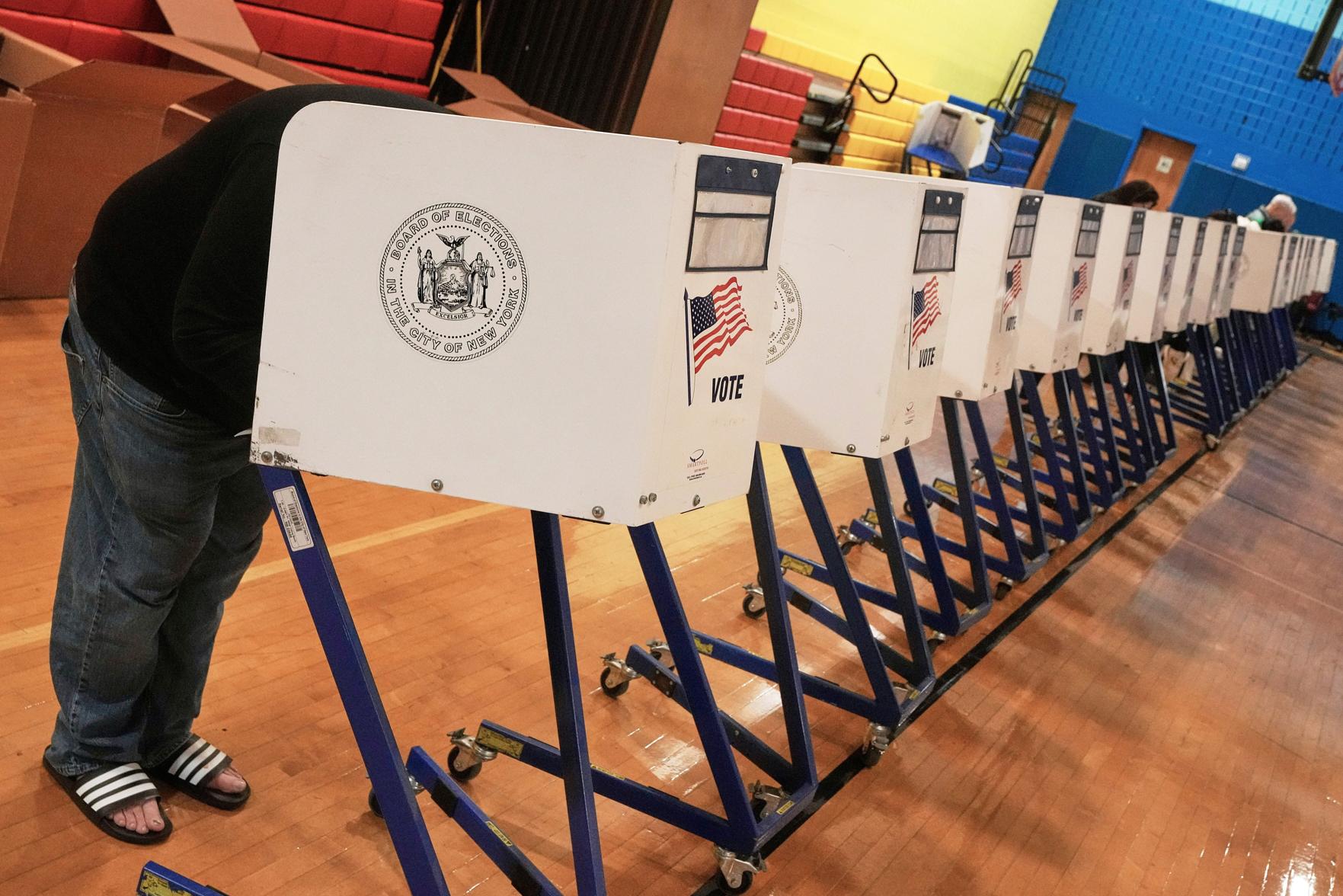
The 2026 primary elections delivered several major surprises across the United States, with Maryland elections and NY primary elections attracting national attention. From closely watched congressional contests to ideological battles within political parties, the latest primary election results provide an early indication of what voters may expect in the November general elections.
Political analysts, campaign strategists, and voters are now examining the outcomes to understand the changing direction of American politics. Several races highlighted growing divisions between establishment candidates and progressive challengers, while others demonstrated the continuing influence of endorsements, fundraising, and grassroots organizing.
What Are Primary Elections?
Primary elections are contests held by political parties to determine which candidates will represent them in the general election. Voters choose among candidates within the same party, and the winners advance to face opponents from other parties in November.
The June 23, 2026 primary elections were particularly significant because they included key races in Maryland, New York, and other states that could influence the balance of power in Congress and state governments.
Maryland Elections Produce High-Profile Winners
The Maryland elections were among the most closely watched contests of the 2026 primary season. The state held its primary election on June 23, with voters participating in gubernatorial and congressional races across Maryland.
One of the most competitive races occurred in Maryland’s 5th Congressional District following the retirement of longtime Representative Steny Hoyer. The crowded Democratic primary featured more than twenty candidates competing for the nomination.
According to election results, Adrian Boafo emerged as the winner of the Democratic primary, securing approximately 32% of the vote. His victory positions him as the Democratic nominee in a district that has historically leaned strongly Democratic.
Another major contest took place in Maryland’s 6th Congressional District. Incumbent April McClain Delaney successfully defended her seat against former Congressman David Trone, winning the Democratic primary with a clear lead. The race drew significant attention because Trone invested substantial resources into his campaign in an attempt to return to Congress.
Meanwhile, Governor Wes Moore comfortably secured renomination in Maryland’s gubernatorial primary, reinforcing his position as one of the Democratic Party’s rising national figures heading into the general election campaign.
NY Primary Elections Highlight Progressive Momentum
The NY primary elections generated headlines nationwide due to several surprising victories by progressive candidates. Many observers viewed the races as a test of the growing influence of progressive politics within New York’s Democratic Party.
One of the most significant developments was the success of candidates backed by progressive leaders and grassroots organizations. Several establishment-backed incumbents faced strong challenges from candidates running on issues such as affordable housing, economic justice, labor rights, and healthcare reform.
In New York’s 10th Congressional District, Brad Lander defeated incumbent Dan Goldman in a closely watched contest. Political observers described the outcome as a major victory for progressive activists seeking greater influence within the Democratic Party.
The 7th Congressional District also delivered a notable result, with Claire Valdez winning her primary race and securing a place on the general election ballot. Her campaign benefited from strong grassroots support and enthusiasm among progressive voters.
Another upset occurred in the 13th Congressional District, where Darializa Avila Chevalier defeated longtime Representative Adriano Espaillat. The result was viewed as one of the biggest surprises of election night and underscored growing dissatisfaction among some voters with traditional political leadership.
The Influence of Progressive Politics
A recurring theme across the NY primary elections was the strength of progressive candidates and organizations. Several winners campaigned on policies focused on economic inequality, workers’ rights, housing affordability, and government accountability.
Analysts noted that endorsements from influential progressive figures helped mobilize younger voters and grassroots activists. The victories may signal a broader shift within certain Democratic strongholds, particularly in urban areas where progressive candidates continue gaining momentum.
However, the results also highlighted regional differences. While progressive candidates enjoyed major successes in New York, establishment-backed candidates performed better in several Maryland races, suggesting that local political dynamics remain highly influential.
Key Trends Emerging From the Primary Election Results
Several important trends emerged from the latest primary elections:
1. Grassroots Campaigns Are Becoming More Competitive
Candidates relying on volunteer networks and community organizing demonstrated that they can compete effectively against better-funded opponents. This trend was especially visible in multiple New York congressional races.
2. Incumbents Face Increasing Challenges
Several incumbents either lost or faced unexpectedly strong opposition during the primaries. Voters appear increasingly willing to support challengers who promise new approaches and fresh leadership.
3. Local Issues Continue to Matter
While national political debates often dominate headlines, many successful campaigns focused heavily on local concerns such as transportation, housing, education, and economic development. These issues frequently proved decisive for voters.
4. Party Divisions Remain Visible
The primary elections highlighted ongoing ideological debates within both major political parties. Questions surrounding economic policy, foreign affairs, and government regulation continue shaping primary contests across the country.
What the Results Mean for November
The primary election results provide an early preview of the political battles that will dominate the general election campaign.
In Maryland, Democratic nominees enter the general election with advantages in several districts, though Republicans will seek opportunities to capitalize on voter concerns about the economy and public policy.
In New York, progressive candidates now face the challenge of translating primary victories into general election success. Their performance in November could influence the future direction of the Democratic Party both within the state and nationally.
Political strategists from both parties will spend the coming months refining their messages, raising funds, and building voter coalitions as the general election approaches.
Conclusion
The 2026 primary elections delivered important results that could shape American politics for years to come. Maryland elections showcased competitive congressional races and reaffirmed the strength of established Democratic leaders, while NY primary elections highlighted the growing influence of progressive candidates and grassroots movements.
As voters prepare for the November general election, these primary results offer valuable insight into the issues, candidates, and political forces driving the national conversation. Whether the trends seen in Maryland and New York continue across the country remains one of the biggest questions of the 2026 election cycle.
For now, one thing is clear: the primary elections have already reshaped the political landscape and set the stage for a highly consequential general election season.