Tensions between the United States, Israel, and Iran have escalated once again after reports emerged that Israeli intelligence shared information with Washington regarding an alleged Iranian plot targeting former U.S. President Donald Trump. The intelligence reportedly suggested that hardline elements within Iran were continuing to explore assassination plans against Trump, reviving fears over one of the most serious security threats facing a current or former American president.
While U.S. officials have acknowledged receiving intelligence from Israel, there remains debate over how credible or imminent the threat actually is. Some intelligence assessments reportedly found no evidence of a new operational plot, even as Israeli officials warned that Iranian hardliners continue to seek revenge for the 2020 killing of Iranian General Qassem Soleimani.
The latest developments come amid heightened military tensions across the Middle East, making this intelligence exchange an important diplomatic and national security story.
Israel’s Intelligence Warning
According to multiple reports, Israeli intelligence recently provided U.S. officials with fresh information indicating that Iranian hardliners may have renewed efforts to target Donald Trump.
The intelligence reportedly focused on discussions among Iranian security elements rather than evidence of an imminent attack. Israeli officials believed the information was significant enough to warrant immediate sharing with Washington.
The alleged threat reportedly reinforced long-standing concerns held by U.S. security agencies that Iran continues to view Trump as a primary target because of his decision to authorize the January 2020 drone strike that killed General Qassem Soleimani, commander of the Islamic Revolutionary Guard Corps’ Quds Force.
Why Would Iran Target Trump?
The roots of the alleged threat stretch back more than six years.
Following Soleimani’s death near Baghdad International Airport, senior Iranian leaders repeatedly vowed revenge against those responsible for ordering the strike. Since then, U.S. intelligence agencies have monitored numerous threats connected to Iran or individuals allegedly linked to Iranian intelligence networks.
American officials have disrupted several alleged assassination plots over recent years, although none resulted in direct attacks against Trump.
Because of those continuing concerns, Trump has received unusually extensive Secret Service protection even after leaving office.
Conflicting Intelligence Assessments
One of the most notable aspects of the latest reports is that intelligence agencies do not appear fully aligned on the seriousness of the threat.
According to CNN and other outlets, recent U.S. intelligence assessments reportedly found no evidence of a new operational assassination plot despite receiving Israel’s warning.
Officials reportedly believe the intelligence reflected continuing hostile intentions among Iranian hardliners rather than confirmation of an active attack plan.
This distinction is important because intelligence often includes varying confidence levels and incomplete information requiring further verification.
Did Israel Have Other Motives?
Some analysts have suggested Israel’s decision to share the intelligence may also have carried broader strategic implications.
Reports indicate some U.S. officials questioned whether the intelligence sharing was intended solely as a security warning or whether it could also influence American policy toward Iran during an increasingly volatile regional conflict.
Israeli officials have consistently argued that Iran represents one of the greatest threats to regional security and have urged stronger action against Tehran’s military and nuclear infrastructure.
However, no public evidence has confirmed that political considerations influenced the intelligence exchange itself.
Security Measures Around Trump
The reported intelligence warning appears to have prompted additional security precautions.
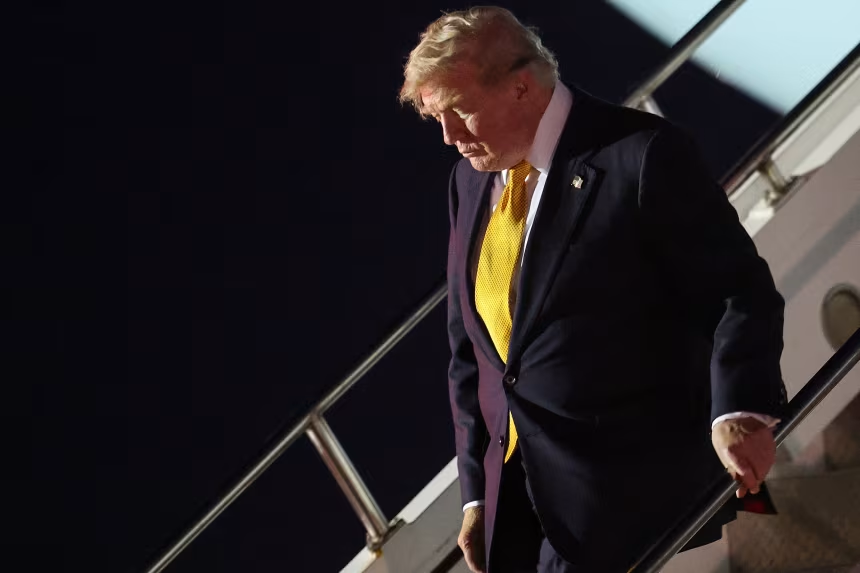
Recent reports indicate Trump traveled aboard an older Air Force One aircraft rather than a newer aircraft because security officials believed the older presidential plane possessed more established defensive systems against potential threats.
Although officials reportedly considered the latest intelligence insufficient to confirm an imminent attack, they viewed enhanced security measures as prudent given Iran’s longstanding threats. (The Wall Street Journal)
Iran’s Position
Iran has consistently denied involvement in assassination plots targeting U.S. officials.
Tehran maintains that while it seeks accountability for Soleimani’s killing, allegations of active assassination operations are politically motivated.
Iranian officials frequently accuse Israel and the United States of exaggerating security threats to justify military actions or increased sanctions.
As with many intelligence-related disputes, independent verification remains difficult because much of the underlying evidence remains classified.
The Broader Middle East Context
The intelligence reports surfaced during one of the most dangerous periods in recent Middle East history.
Military exchanges involving Israel, Iran, and U.S. forces have intensified dramatically in recent months. Maritime security concerns in the Strait of Hormuz, missile attacks, and ongoing regional instability have further heightened tensions.
Against this backdrop, any allegation involving potential attacks against senior American leaders carries significant diplomatic consequences.
Even intelligence that does not establish an immediate operational threat can influence military planning, diplomatic negotiations, and presidential security protocols.
Why This Story Matters
The reported intelligence sharing underscores how closely the United States and Israel continue to cooperate on counterterrorism and intelligence matters.
For Washington, protecting current and former presidents remains a national security priority regardless of political affiliation.
For Israel, sharing intelligence about potential Iranian activities reflects its broader effort to monitor Tehran’s regional operations and communicate perceived threats to allies.
Whether the alleged plot represented an imminent danger or merely ongoing hostile intentions, the episode illustrates how intelligence can shape international decision-making during periods of geopolitical instability.
What Happens Next?
Investigators will likely continue evaluating the credibility of the reported intelligence while monitoring any additional indicators of Iranian activity.
Security agencies are expected to maintain enhanced protective measures around Trump as long as officials believe hostile actors may continue viewing him as a target.
Meanwhile, policymakers in Washington will continue balancing intelligence assessments with diplomatic and military considerations as tensions with Iran remain elevated.
As more classified information becomes available, additional details may clarify whether the reported intelligence reflected a genuine operational threat or precautionary warning based on longstanding Iranian rhetoric.
Also Read: Eyewitness Video Shows Mitch McConnell Being Loaded Into Ambulance on Stretcher — Watch the newly surfaced footage and learn what is currently known about the former Senate leader’s medical emergency and hospitalization.