President Donald Trump has once again sparked nationwide debate after issuing presidential pardons to 11 individuals, most of whom had been convicted under the federal Clean Air Act for modifying or disabling vehicle emissions control systems. The move, announced on July 4, 2026, has reignited discussions over environmental regulation, executive power, and the future of emissions enforcement in the United States.
Supporters argue the pardons correct what they see as excessive federal prosecutions against diesel mechanics, truck owners, and small business operators. Critics, however, say the decision undermines environmental protections and weakens enforcement of laws designed to reduce harmful air pollution.
This article explains what happened, why these defendants were convicted, why President Trump granted the pardons, and what the decision could mean for environmental policy going forward.
Trump Pardons 11 People
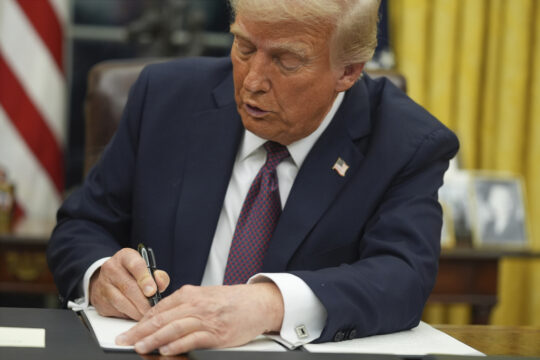
According to White House officials, President Trump signed pardons for 11 individuals on July 4. Nine of those recipients had been convicted of violating the Clean Air Act after modifying diesel trucks or selling products designed to bypass federally required emissions systems. The remaining pardons included businessman Adam Kidan and Texas ranch owner Jack Harvard.
Trump announced several of the pardons on Truth Social, arguing that many defendants had been unfairly prosecuted by the previous administration merely for “fixing their car.” The White House described the pardons as correcting cases involving regulatory overreach rather than serious criminal conduct.
What Is the Clean Air Act?
The Clean Air Act is one of America’s most important environmental laws. Originally enacted in 1970 and strengthened through later amendments, it authorizes the Environmental Protection Agency (EPA) to regulate pollutants that threaten public health and the environment.
Among its many provisions, the law requires vehicles sold in the United States to include emissions-control equipment that limits pollutants such as nitrogen oxides, particulate matter, and hydrocarbons.
Federal law generally prohibits:
- Removing emissions-control equipment.
- Installing software that disables emissions systems.
- Selling “defeat devices” designed to bypass pollution controls.
- Modifying engines in ways that increase emissions beyond legal standards.
Violations can lead to civil penalties, criminal charges, substantial fines, and imprisonment depending on the circumstances.
Why Were These Defendants Prosecuted?
Most of the pardoned individuals operated diesel repair shops, tuning businesses, or companies selling aftermarket performance products.
Federal prosecutors alleged they:
- Disabled diesel emissions systems.
- Installed emissions-delete kits.
- Sold electronic tuning devices.
- Encouraged customers to bypass EPA requirements.
Authorities argued these modifications allowed trucks to emit significantly higher levels of pollution than federal standards permit.
Many prosecutions occurred during the Biden administration, which emphasized stronger enforcement of environmental regulations involving diesel emissions.
Trump’s Argument
President Trump framed the defendants as ordinary mechanics and vehicle owners who became targets of excessive government regulation.
According to his public statements, these individuals were punished for modifying vehicles rather than committing violent or financial crimes. Trump argued the prosecutions represented government overreach that harmed workers and small businesses.
The administration has also emphasized what it calls the “right to repair” and has criticized federal policies that limit vehicle modifications.
Critics Raise Environmental Concerns
Environmental organizations and many legal experts strongly criticized the pardons.
Critics argue that emissions-control equipment exists to reduce pollutants linked to:
- Respiratory illnesses.
- Smog formation.
- Premature deaths.
- Environmental degradation.
They warn that weakening enforcement may encourage additional illegal modifications and reduce compliance with federal environmental laws.
Several environmental advocates also argue the pardons send a message that violations of pollution laws may not carry lasting consequences.
Part of Trump’s Broader Environmental Agenda
The pardons fit within President Trump’s broader approach to environmental regulation during his second term.
His administration has pursued policies aimed at reducing regulatory burdens on businesses while rolling back several climate-related initiatives adopted by previous administrations. These actions have included changes affecting vehicle emissions standards and greenhouse-gas regulations.
Supporters argue these policies help manufacturers, truck owners, and consumers by lowering compliance costs.
Opponents contend they weaken long-term environmental protections.
Presidential Pardon Power Explained
The U.S. Constitution gives presidents broad authority to grant pardons for federal crimes.
A presidential pardon:
- Forgives a federal criminal offense.
- Restores certain civil rights.
- Does not erase historical records of conviction.
- Does not apply to state crimes.
The Supreme Court has consistently recognized this authority as one of the broadest executive powers available to the president.
Trump has frequently used the pardon power during both of his presidencies, often arguing that recipients were victims of politically motivated or excessive prosecutions.
Public and Political Reaction
The decision immediately generated mixed reactions.
Supporters praised Trump for standing with mechanics, diesel businesses, and working-class Americans affected by strict environmental enforcement.
Many Republican allies argued that federal agencies had criminalized routine vehicle modifications and imposed unnecessary regulations on small businesses.
Democratic lawmakers and environmental organizations criticized the move, saying it weakens public-health protections and undermines enforcement of federal environmental laws.
The issue is expected to become another flashpoint in ongoing national debates over climate policy, environmental regulation, and executive authority.
What Happens Next?
Although the pardons eliminate the federal criminal penalties for those individuals, they do not change the underlying provisions of the Clean Air Act.
Federal emissions regulations remain in effect unless Congress amends the law or future administrations adopt different enforcement priorities.
Legal experts also note that states may continue enforcing their own environmental standards where applicable.
Meanwhile, the pardons are likely to intensify debate over how aggressively federal agencies should regulate vehicle emissions and whether current environmental rules strike the right balance between public health and economic freedom.
Conclusion
President Donald Trump’s decision to pardon multiple Clean Air Act defendants represents more than an act of executive clemency—it reflects a broader philosophical divide over environmental regulation in the United States.
To supporters, the pardons protect mechanics, truck owners, and small businesses from excessive federal enforcement. To critics, they risk weakening decades of environmental progress by signaling reduced accountability for emissions violations.
As environmental policy continues to evolve, the controversy surrounding these pardons highlights the ongoing tension between economic freedom, regulatory enforcement, and public health. Whether viewed as a correction of government overreach or a setback for environmental protection, Trump’s emissions pardons will likely remain a significant chapter in the debate over America’s environmental future.