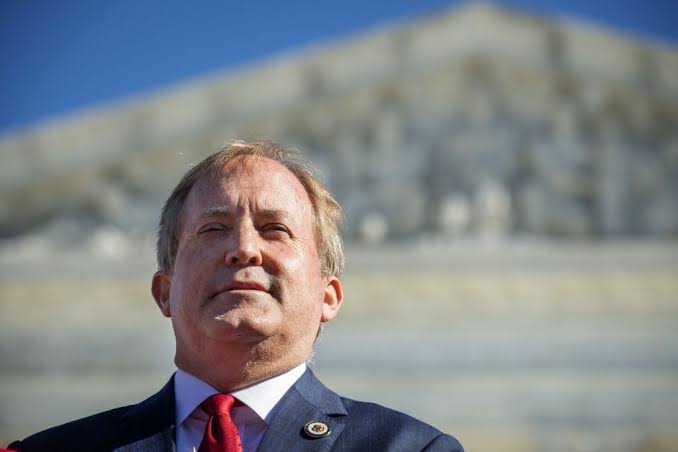

Frank Bisignano IRS CEO has become a major topic of discussion as he takes on a historic leadership role at the Internal Revenue Service while also serving as Commissioner of the Social Security Administration. With decades of experience in financial technology and banking, Bisignano’s appointment has attracted attention because of his business background, government responsibilities, legal controversies, and personal wealth.
This article explores Frank Bisignano’s IRS CEO role, Senate confirmation, lawsuits connected to his career, estimated net worth, and his influence on federal agency modernization.
Who Is Frank Bisignano?
Frank J. Bisignano is an American business executive who became the first Chief Executive Officer of the Internal Revenue Service. Before entering government service, he built a long career in financial services, technology, and banking leadership.
Bisignano previously served as CEO of Fiserv, one of the world’s largest financial technology companies. He also led First Data Corporation before its merger with Fiserv. His career included senior positions at major financial institutions, including JPMorgan Chase and Citigroup.
His private-sector background in technology and operations became a key reason officials selected him to lead major government agencies focused on improving efficiency and customer service.
Frank Bisignano IRS CEO Appointment
Frank Bisignano became the IRS Chief Executive Officer in a newly created position designed to bring private-sector management experience into the agency. The U.S. Treasury announced that Bisignano would oversee IRS operations while continuing his role as Social Security Administration Commissioner.
As IRS CEO, Bisignano is responsible for improving several major areas, including:
- Modernizing IRS technology systems
- Improving taxpayer services
- Strengthening tax collection efforts
- Protecting taxpayer information
- Increasing operational efficiency
The IRS stated that his priorities include creating a more digital-focused agency and improving the overall taxpayer experience.
Frank Bisignano Confirmation and Government Role
Before becoming IRS CEO, Bisignano was appointed Commissioner of the Social Security Administration in 2025. His government role expanded when he was selected to lead the IRS.
His confirmation process received attention because of his extensive corporate background and the scale of the agencies he was chosen to oversee. Supporters argued that his experience managing large organizations could help modernize federal operations.
Critics, however, questioned whether a business executive could successfully manage agencies with complex public responsibilities. Concerns included issues involving corporate ties, government contracts, and conflicts of interest.
Despite the debate, Bisignano moved forward with his leadership roles and began focusing on agency reforms.
Frank Bisignano Lawsuit Controversies
Searches for Frank Bisignano lawsuit have increased because of legal issues connected to his previous corporate career and his government leadership.
Some legal challenges have involved matters related to his time at Fiserv and financial industry operations. Critics have also raised questions about government decisions involving agencies under his leadership.
However, it is important to separate allegations from proven wrongdoing. Public discussions around lawsuits often involve corporate disputes, shareholder claims, or policy disagreements rather than personal criminal accusations.
During his time leading Fiserv, Bisignano faced scrutiny related to company operations and investor concerns. As IRS and SSA leader, his decisions have also attracted political attention because both agencies directly affect millions of Americans.
Frank Bisignano Net Worth
The exact Frank Bisignano net worth is not publicly confirmed. However, his wealth is believed to come from decades of executive leadership positions at major financial companies.
As CEO of Fiserv and First Data, Bisignano earned significant compensation through salary, bonuses, and stock-based awards. Executives at companies of this size often receive multimillion-dollar compensation packages.
Before joining government service, Bisignano held valuable corporate positions and accumulated wealth through financial industry success. His net worth is widely estimated to be in the multimillion-dollar range, although no official figure has been released.
Government financial disclosure reports provide information about assets and holdings, but they do not always provide a single exact net worth number.
Career Before the IRS
Frank Bisignano’s career began on Wall Street. He quickly advanced through the financial sector and became known for managing large organizations during periods of technological change.
Some highlights of his career include:
- Becoming a senior executive at Shearson Lehman/American Express
- Serving in leadership roles at JPMorgan Chase
- Managing mortgage banking operations
- Holding executive positions at Citigroup
- Leading First Data
- Transforming Fiserv into a major payments technology company
His experience focused heavily on digital transformation, financial systems, and operational management. (Internal Revenue Service)
What Is Frank Bisignano’s Vision for the IRS?
As IRS CEO, Bisignano has emphasized modernization and improved taxpayer services. He has said the agency must use technology and better management systems to provide faster and more reliable services.
Key goals under his leadership include:
Digital Transformation
The IRS has been working to update outdated technology systems. Bisignano’s background in financial technology is expected to influence these modernization efforts.
Better Customer Service
Millions of Americans interact with the IRS every year. Improving response times and online services is one of the agency’s major challenges.
Stronger Tax Enforcement
Another focus is improving tax collection and reducing compliance problems while protecting taxpayer rights.
Political and Public Reaction
Bisignano’s appointment has generated mixed reactions. Supporters believe his corporate experience gives him the skills needed to manage large federal agencies.
Opponents argue that government agencies require different leadership approaches than private companies. They have questioned whether business strategies can be directly applied to public institutions.
The debate reflects a larger discussion about bringing corporate executives into government leadership roles.
Conclusion
Frank Bisignano’s journey from Wall Street executive to IRS CEO represents a significant shift toward private-sector leadership in federal agencies. His background at Fiserv, First Data, JPMorgan Chase, and other financial institutions has shaped his approach to government management.
While questions remain about lawsuits, confirmation debates, and his financial holdings, Bisignano’s supporters point to his experience in technology and organizational transformation as key advantages.
As the first IRS CEO, his performance will likely continue to receive close attention as he attempts to modernize one of the most important agencies in the United States government. (Internal Revenue Service)
For more details about the Louisiana congressman’s personal life, political journey, and financial background, read our complete profile on “Cleo Fields: Wife, Net Worth, Louisiana, District”, covering his family, career achievements, and representation of Louisiana’s 6th Congressional District.