Questions about election integrity continue to dominate political debate in the United States, especially after President Donald Trump renewed claims that past elections were affected by fraud and foreign interference. However, one of the Republican Party’s most respected election attorneys has once again stated that there is still no evidence showing that any certified election result was incorrect.
Benjamin Ginsberg, a veteran GOP election lawyer who represented Republicans in numerous high-profile election disputes, said the available evidence does not demonstrate that any election outcome should be overturned. His remarks have drawn renewed attention as election security once again becomes a central issue ahead of the 2026 midterm elections.
Who Is Benjamin Ginsberg?
Benjamin Ginsberg has spent decades working as a Republican election attorney. He represented the GOP during the historic Bush v. Gore legal battle in 2000 and has advised numerous Republican presidential campaigns over the years.
Because of his long career in election law and his conservative credentials, Ginsberg’s opinions carry weight among both Republicans and Democrats. While he supports investigating credible allegations of election misconduct, he has consistently argued that claims must be backed by verifiable evidence before they can be accepted in court.
What Did the GOP Lawyer Say?
Responding to renewed allegations surrounding election fraud, Ginsberg reiterated a position he has maintained for years: there remains no evidence proving that any certified election result was actually wrong.
His comments came as political leaders discussed recently declassified intelligence documents and allegations regarding foreign interference. According to Ginsberg, while governments should investigate any credible security concerns, investigations have not produced evidence showing that certified election outcomes were incorrect.
The distinction is important.
Election systems may experience isolated administrative errors, technical problems, or procedural disputes. However, those issues are very different from proving that enough illegal votes were counted—or legitimate votes discarded—to change the winner of an election.
Courts Continue to Demand Evidence
American election law requires evidence rather than speculation.
Since the 2020 presidential election, dozens of lawsuits have challenged election procedures and vote counts across multiple states. Many of those cases were dismissed because courts concluded there was insufficient evidence to support allegations that the certified outcomes were incorrect.
Judges repeatedly emphasized that allegations alone cannot overturn certified election results.
Instead, plaintiffs must present credible documentation, witness testimony, verified data, or other admissible evidence demonstrating that irregularities changed the final outcome.
Trump’s Renewed Election Claims
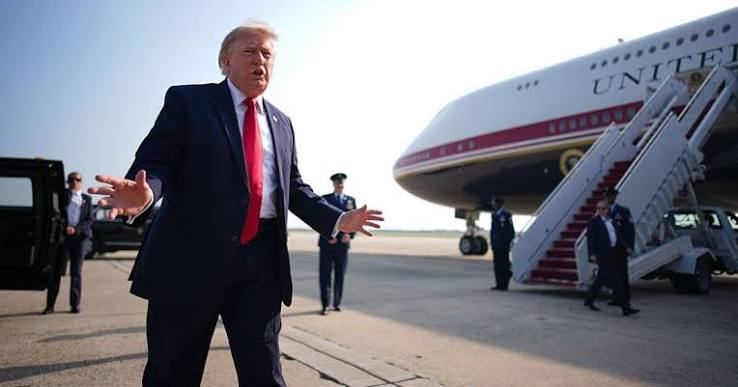
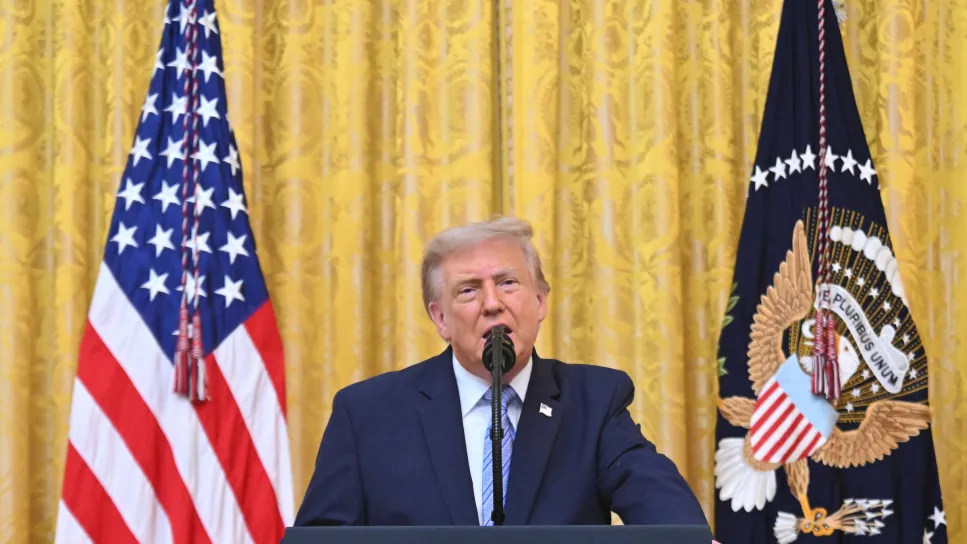
President Donald Trump recently renewed his claims regarding election fraud during a nationally televised address, pointing to newly declassified intelligence documents and longstanding concerns about election security.
Trump argued that foreign actors attempted to interfere in American elections and suggested that voting systems remain vulnerable. He also promoted stronger voter identification requirements and renewed support for election reform legislation.
However, multiple election experts, intelligence officials, and bipartisan reviews stated that the released material did not provide evidence that certified election results were incorrect.
Election Security vs. Election Outcome
One reason election debates often become confusing is that election security and election outcomes are not the same issue.
Election security focuses on protecting voter registration databases, voting equipment, ballot handling procedures, cybersecurity, and election administration.
Election outcome refers to whether the certified winner actually received the most lawful votes.
Security experts generally agree that election systems should continue improving to defend against cyber threats and foreign influence. At the same time, they caution that identifying vulnerabilities does not automatically prove votes were altered or outcomes changed.
Why This Statement Matters
Ginsberg’s comments are significant because they come from within the Republican Party rather than from Democratic officials or independent analysts.
Throughout his career, Ginsberg has defended Republican candidates while also emphasizing that election challenges must rely on facts and evidence.
His willingness to publicly reject unsupported claims has made him one of the most frequently cited Republican legal voices on election integrity.
Ongoing Debate Over Election Integrity
Despite Ginsberg’s assessment, debates over election integrity remain politically important.
Many Republican lawmakers continue advocating for:
- Stronger voter identification laws
- Proof-of-citizenship requirements
- Improved voter roll maintenance
- Increased ballot tracking
- Enhanced cybersecurity protections
- More standardized election procedures
Supporters argue these measures strengthen public confidence in elections.
Critics contend that some proposals could make voting more difficult without addressing demonstrated problems.
These disagreements are expected to remain major issues during the 2026 election cycle. (Reuters)
Intelligence Reviews and Election Claims
Recent intelligence reviews have examined allegations involving China, Iran, Venezuela, and other foreign governments.
Officials acknowledge that foreign countries routinely attempt influence operations through propaganda, cyber activities, and online misinformation campaigns.
However, intelligence assessments have generally distinguished those influence efforts from actual manipulation of vote totals.
According to current public findings, investigators have not produced evidence demonstrating that foreign interference altered certified U.S. election results. (Reuters)
Public Confidence Remains a Challenge
Even without evidence showing incorrect election outcomes, public confidence remains divided.
Polling has consistently shown that many Americans—across both major political parties—continue expressing concerns about election administration.
Election officials argue that transparency, bipartisan oversight, audits, and public reporting remain essential for maintaining trust.
Experts also encourage voters to distinguish between allegations circulating online and evidence presented through official investigations and court proceedings.
Looking Ahead to the 2026 Midterms
Election integrity is expected to remain one of the defining political issues heading into the 2026 midterm elections.
Congress continues debating election reform proposals, while state legislatures are considering additional voting laws covering identification requirements, absentee ballots, and election administration.
As these debates continue, legal experts like Benjamin Ginsberg emphasize that challenges to election results should continue to be evaluated using evidence, court procedures, and established legal standards rather than political rhetoric. (Reuters)
Conclusion
Benjamin Ginsberg’s latest comments reinforce a position he has maintained throughout years of election litigation: despite continued political controversy, there is still no evidence demonstrating that any certified U.S. election result was incorrect.
While discussions about election security, foreign interference, and voting procedures are likely to continue, courts and election experts have consistently maintained that allegations require credible proof before certified outcomes can be overturned. As the nation approaches another major election cycle, the debate over election integrity will likely remain at the forefront of American politics, with evidence continuing to be the standard by which legal challenges are judged. (Reuters)
Want to learn more about one of America’s most prominent Democratic leaders? Read our detailed profile on Pete Buttigieg: Wife, Net Worth, Kids, Family, 2026 to explore his political career, personal life, family, and estimated net worth.