
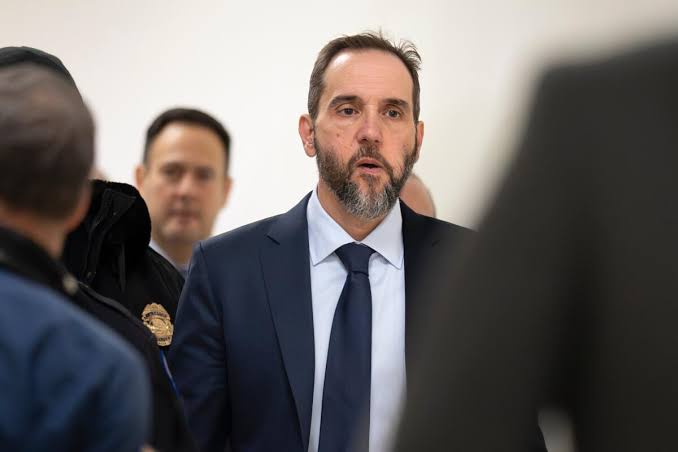
The phrase “Jack Smith subpoena lawmaker phone records” has become a widely searched topic as interest continues to grow around federal investigations connected to the aftermath of the 2020 U.S. presidential election. Reports that Special Counsel Jack Smith sought phone records from lawmakers and individuals close to events surrounding January 6 have raised significant legal and constitutional questions.
While the issue has sparked political debate, it also highlights how federal prosecutors gather evidence during high-profile criminal investigations. The use of subpoenas for phone records is not unusual in federal cases, but when elected officials are involved, it often attracts greater public attention because of concerns about congressional independence, executive authority, and privacy protections.
This article explains what is known about the reports, how subpoenas for phone records work, why prosecutors seek such evidence, and what the broader implications could be for future investigations.
Who Is Jack Smith?
Jack Smith is a veteran federal prosecutor who previously served in the U.S. Department of Justice and later worked as a prosecutor at the International Criminal Court in The Hague. In November 2022, he was appointed Special Counsel by Attorney General Merrick Garland.
Smith was tasked with overseeing two major federal investigations involving former President Donald Trump:
- The investigation into efforts to overturn the 2020 presidential election.
- The investigation concerning classified documents discovered after Trump’s presidency.
As Special Counsel, Smith operated independently within the Department of Justice while following federal regulations governing special counsel investigations.
What Does “Subpoena Lawmaker Phone Records” Mean?
A subpoena is a legal order requiring a person or organization to produce evidence or testify in an investigation.
When investigators subpoena phone records, they generally seek information such as:
- Call logs
- Time and duration of calls
- Text message metadata
- Subscriber information
- Location data in some circumstances
Importantly, phone records generally do not automatically include the contents of conversations or text messages. Obtaining the content of communications usually requires additional legal authorization under federal law.
When reports mention that prosecutors subpoenaed lawmakers’ phone records, it generally means investigators requested telecommunications companies to provide records relevant to the investigation.
Why Would Prosecutors Seek Phone Records?
Federal investigators use phone records to establish timelines and communication patterns.
Phone records may help investigators determine:
- Whether two individuals communicated.
- When communications occurred.
- How frequently contacts happened.
- Whether communications coincided with important events.
In complex criminal investigations, phone metadata often helps prosecutors reconstruct events and identify potential witnesses or additional evidence.
Phone records alone rarely prove criminal conduct. Instead, they are typically combined with witness testimony, emails, documents, surveillance footage, and other evidence.
The January 6 Investigation
The Special Counsel’s election-related investigation focused on actions surrounding the certification of the 2020 presidential election and events leading to the January 6, 2021 attack on the U.S. Capitol.
Federal prosecutors examined several issues, including:
- Communications among political advisers.
- Planning meetings.
- Alleged efforts to challenge election certification.
- Public statements and private discussions.
- Interactions between government officials and outside advisers.
As part of gathering evidence, investigators reportedly sought records from numerous individuals connected to the investigation, including lawyers, political advisers, campaign officials, and in some cases, members of Congress.
Why Are Lawmakers’ Records Especially Sensitive?
Congress enjoys constitutional protections intended to preserve legislative independence.
One important protection is the Speech or Debate Clause of the U.S. Constitution, which shields members of Congress from legal action based on legitimate legislative activities.
However, these protections are not unlimited.
Courts have generally recognized that lawmakers may still become subjects or witnesses in criminal investigations if prosecutors follow constitutional safeguards.
As a result, whenever investigators seek records connected to members of Congress, courts often carefully evaluate:
- Legislative privilege.
- Separation of powers.
- Privacy concerns.
- Investigative necessity.
Legal Standards for Obtaining Phone Records
Federal prosecutors cannot simply demand phone records without legal process.
Typically, investigators must issue:
- Grand jury subpoenas
- Court-approved warrants (depending on the type of information sought)
- Other legally authorized requests
Telecommunications companies generally review legal requests before producing records.
Individuals whose records are sought may later challenge subpoenas in court if legal grounds exist.
Political Reactions
Reports involving subpoenas for lawmakers’ records often trigger sharply divided political responses.
Supporters of the investigation argue that:
- No individual should be above the law.
- Investigators must follow evidence wherever it leads.
- Equal enforcement strengthens public trust.
Critics contend that:
- Congressional independence must be protected.
- Prosecutors should exercise restraint.
- Investigations involving elected officials require heightened transparency and oversight.
These competing views reflect broader debates over accountability, constitutional limits, and public confidence in federal institutions.
How Phone Records Fit Into Criminal Investigations
Phone records are only one component of modern criminal investigations.
Federal prosecutors frequently combine them with:
- Witness interviews
- Grand jury testimony
- Financial records
- Email communications
- Public statements
- Digital evidence
- Security camera footage
- Search warrant returns
Investigators evaluate all evidence together before making charging decisions.
Privacy Concerns
The collection of phone records raises important privacy questions.
Civil liberties organizations have long argued that government access to communication data should remain subject to meaningful judicial oversight.
Supporters of stronger privacy protections believe:
- Legal standards should remain rigorous.
- Government requests should be narrowly tailored.
- Independent courts should oversee investigative powers.
Federal law provides procedures governing access to telecommunications records, balancing investigative needs against constitutional protections.
Congressional Oversight and Accountability
Congress itself has oversight authority over the Department of Justice.
When investigations involve members of Congress, lawmakers may raise questions regarding:
- Prosecutorial discretion.
- Investigative procedures.
- Compliance with constitutional safeguards.
- Protection of legislative independence.
At the same time, DOJ officials emphasize that criminal investigations must remain free from political interference.
Public Interest in the Investigation
The phrase Jack Smith subpoena lawmaker phone records continues trending because it sits at the intersection of politics, constitutional law, and criminal justice.
For many Americans, the investigation represents broader questions about:
- Government accountability.
- Election integrity.
- Prosecutorial independence.
- Congressional privilege.
- Rule of law.
Regardless of political perspective, the investigation demonstrates how modern federal prosecutors rely on digital evidence alongside traditional investigative techniques.
What Happens Next?
Future developments depend on ongoing legal proceedings and court decisions.
Possible next steps include:
- Additional court filings.
- Judicial rulings regarding evidence.
- Continued congressional scrutiny.
- Further public disclosure through legal documents.
Because many investigative materials remain under court seal or protected by grand jury secrecy rules, new information may emerge gradually through official filings rather than public announcements.
Conclusion
The topic Jack Smith subpoena lawmaker phone records highlights the complex balance between criminal investigations and constitutional protections afforded to elected officials. Phone records are a common investigative tool that help establish communication timelines but typically do not reveal the contents of conversations. Their use becomes especially significant when investigations involve members of Congress, requiring careful judicial oversight to protect both the rule of law and legislative independence.
As legal proceedings continue, courts—not political commentary—will determine the admissibility and significance of any evidence obtained. For readers following the investigation, understanding the legal framework behind subpoenas provides valuable context beyond the headlines, emphasizing the importance of due process, constitutional safeguards, and evidence-based judicial proceedings.
Related Read: Want to know more about the latest controversy involving Senate Democratic leadership? Read our coverage of Chuck Schumer Dodges Questions Over Report Alleging Democratic Senator’s Relationships With House Staffers for the key claims, political reactions, and what has been confirmed so far.