
Introduction
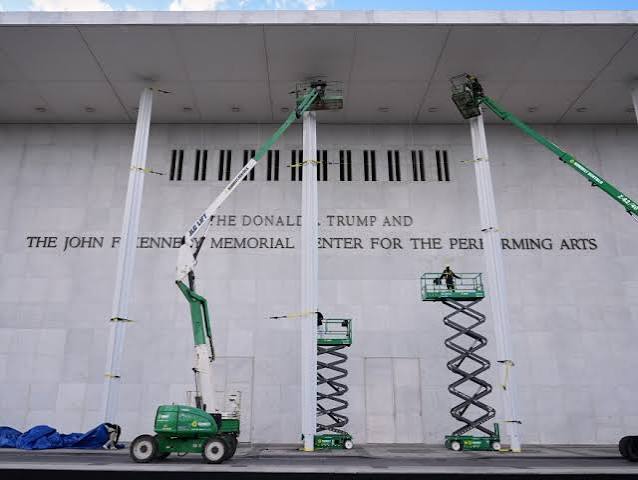
The John F. Kennedy Center for the Performing Arts is one of the most prestigious cultural institutions in the United States. Located along the Potomac River in Washington, D.C., the center serves as the nation’s official memorial to President John F. Kennedy while showcasing world-class performances in theater, music, dance, opera, and more.
Every year, millions of visitors attend performances, educational programs, and special events at the Kennedy Center. Whether you’re a fan of Broadway productions, classical music, jazz, ballet, or contemporary arts, the venue offers something for everyone. Beyond entertainment, the Kennedy Center also symbolizes America’s commitment to artistic excellence and cultural diplomacy.
In this guide, we’ll explore the John F. Kennedy Center for the Performing Arts, including its history, architecture, major venues, famous events, visitor information, and why it remains one of America’s most celebrated performing arts centers.
History of the John F. Kennedy Center for the Performing Arts
The idea of creating a national cultural center dates back to the 1930s, but the project gained momentum after President John F. Kennedy strongly supported federal investment in the arts.
Following Kennedy’s assassination in 1963, Congress voted to rename the planned National Cultural Center in his honor. The facility officially became the John F. Kennedy Center for the Performing Arts, serving both as a memorial and as a national performing arts venue.
Construction began in the 1960s, and the center officially opened on September 8, 1971, with a gala attended by political leaders, artists, and international guests.
Since then, the Kennedy Center has hosted thousands of performances and welcomed some of the world’s greatest musicians, actors, dancers, and entertainers.
Location and Architecture
The Kennedy Center is located at:
2700 F Street NW, Washington, D.C.
Designed by architect Edward Durell Stone, the building features:
- Elegant white marble exterior
- Expansive terraces overlooking the Potomac River
- Grand Hall stretching more than 600 feet
- Massive crystal chandeliers gifted by Sweden
- Stunning rooftop observation areas
Its modern architecture blends monumental design with functional performance spaces, making it one of Washington’s most recognizable landmarks.
Performance Venues
The John F. Kennedy Center for the Performing Arts houses several renowned theaters and concert halls.
Concert Hall
The Concert Hall seats over 2,300 guests and hosts:
- National Symphony Orchestra
- International orchestras
- Film music concerts
- Holiday performances
The hall is famous for its outstanding acoustics and elegant interior.
Opera House
The Opera House serves as the home of:
- Washington National Opera
- Large-scale Broadway productions
- Ballet performances
- International opera companies
It seats approximately 2,300 visitors.
Eisenhower Theater
Named after President Dwight D. Eisenhower, this venue hosts:
- Touring musicals
- Drama productions
- Dance companies
- Family performances
Terrace Theater
A smaller venue perfect for:
- Chamber music
- Experimental theater
- International performances
- Contemporary productions
Millennium Stage
One of the Kennedy Center’s most popular attractions is the Millennium Stage, which traditionally features free daily performances showcasing artists from around the world.
Kennedy Center Honors
Perhaps the most famous annual event at the John F. Kennedy Center for the Performing Arts is the Kennedy Center Honors.
Established in 1978, the event recognizes individuals who have made extraordinary contributions to American culture through the performing arts.
Recipients have included:
- Actors
- Singers
- Musicians
- Dancers
- Directors
- Composers
The ceremony attracts presidents, lawmakers, celebrities, and international guests, making it one of America’s highest cultural honors.
Resident Artistic Organizations
Several nationally recognized organizations call the Kennedy Center home.
National Symphony Orchestra
Founded in 1931, the orchestra performs classical masterpieces, modern compositions, and educational concerts.
Washington National Opera
One of America’s leading opera companies, it presents both classic and contemporary productions.
Suzanne Farrell Ballet
The Kennedy Center has also supported ballet companies and dance education through partnerships and special performances.
Educational Programs
The John F. Kennedy Center for the Performing Arts is not only a performance venue but also a national leader in arts education.
Programs include:
- Student workshops
- Teacher training
- Digital learning resources
- Young artist development
- Community outreach
- Family-friendly performances
Millions of students participate in Kennedy Center educational initiatives each year, both in person and online.
Tours and Visitor Experience
Visitors can enjoy much more than performances.
Popular attractions include:
- Guided tours
- Hall of Nations
- Hall of States
- Rooftop Terrace
- Art exhibits
- Gift shops
- Dining options
Guided tours provide insights into the building’s architecture, history, and famous performances.
The rooftop terrace offers beautiful panoramic views of:
- Potomac River
- Georgetown
- Lincoln Memorial
- Washington Monument
- Arlington skyline
Dining at the Kennedy Center
The venue features several restaurants and cafés suitable for pre-show dining.
Guests can choose from:
- Fine dining experiences
- Casual cafés
- Rooftop dining
- Coffee shops
- Wine bars
Many visitors arrive early to enjoy dinner before attending evening performances.
Major Events Throughout the Year
The Kennedy Center hosts an impressive variety of performances, including:
- Broadway tours
- Ballet
- Classical concerts
- Jazz festivals
- Comedy shows
- International cultural festivals
- Holiday specials
- Children’s programming
- Contemporary dance
- Film screenings
This diverse programming attracts audiences from across the United States and around the world.
Why the Kennedy Center Matters
The John F. Kennedy Center for the Performing Arts plays a unique role in American cultural life.
Its mission includes:
- Celebrating artistic excellence
- Supporting emerging artists
- Expanding arts education
- Promoting cultural diplomacy
- Preserving artistic traditions
The center also serves as a gathering place where audiences experience performances representing cultures from every continent.
Tips for First-Time Visitors
If you’re planning your first visit, consider these tips:
- Book tickets early for popular productions.
- Arrive at least 30 minutes before showtime.
- Take advantage of guided tours.
- Visit the rooftop terrace for scenic views.
- Explore free performances when available.
- Check seasonal festivals and special events before planning your trip.
Accessibility
The Kennedy Center emphasizes accessibility by offering:
- Wheelchair-accessible seating
- Assisted listening devices
- Captioned performances
- Audio description services
- Sign language interpretation for select events
- Accessible entrances and parking
These services help ensure that visitors of all abilities can enjoy performances comfortably.
Economic and Cultural Impact
Beyond entertainment, the John F. Kennedy Center for the Performing Arts contributes significantly to Washington, D.C.’s tourism and economy.
The center:
- Supports thousands of jobs
- Attracts millions of visitors annually
- Boosts nearby restaurants and hotels
- Encourages arts education nationwide
- Strengthens America’s international cultural presence
Its influence extends far beyond the capital, inspiring artists and audiences across the country.
Conclusion
The John F. Kennedy Center for the Performing Arts stands as America’s premier destination for world-class performing arts while honoring the legacy of President John F. Kennedy. From breathtaking concerts and Broadway productions to educational initiatives and the prestigious Kennedy Center Honors, the institution continues to shape the nation’s cultural landscape.
Whether you’re attending an unforgettable performance, exploring its remarkable architecture, or enjoying panoramic views of Washington, D.C., the Kennedy Center offers an inspiring experience for visitors of all ages. As one of the nation’s most iconic cultural landmarks, it remains a symbol of artistic excellence, education, and public service.
Want to know whether comedian Amy Schumer and Senate Minority Leader Chuck Schumer are actually related? Read our detailed guide on Amy Schumer and Chuck Schumer: Are They Related? Family Connection, Careers, and Political Influence to explore their family ties, successful careers, and public influence.