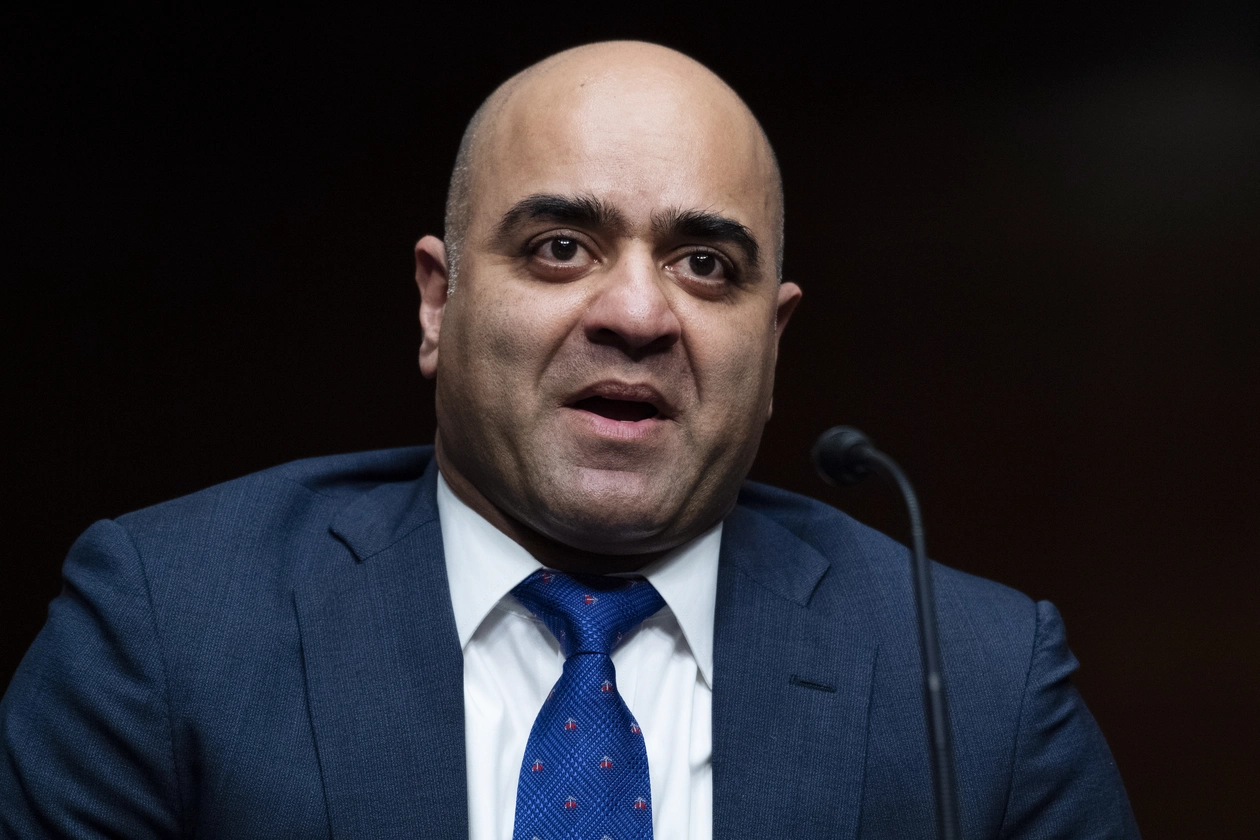
Judge Quraishi DOJ Voter Case: What Happened, Legal Arguments, and Political Impact
The Judge Quraishi DOJ voter case has attracted attention in U.S. legal and political circles as questions grow over the role of the Department of Justice (DOJ) in election enforcement, voter protections, and federal oversight of state voting systems. The case highlights the ongoing debate between election security measures and concerns about protecting access to the ballot.
Federal judges often play a crucial role in resolving disputes involving election laws because voting regulations can affect millions of Americans. Judge Quraishi’s involvement in the DOJ voter case places the court at the center of a broader national conversation about the balance between election integrity and voting rights.
Who Is Judge Quraishi?
Judge Quraishi refers to a federal judge involved in reviewing legal issues connected to the DOJ voter case. Federal judges are responsible for interpreting laws, reviewing government actions, and determining whether policies comply with the Constitution and federal statutes.
Judges handling election-related disputes often face complex legal questions involving federal authority, state election administration, and individual voting rights. Their decisions can have consequences beyond the immediate parties involved and may influence future election policies across the country.
Background of the Judge Quraishi DOJ Voter Case
The Judge Quraishi DOJ voter case centers on legal questions involving the Department of Justice’s role in election-related matters. The DOJ has historically been responsible for enforcing federal voting laws, including protections against discrimination and illegal interference in elections.
Election-related lawsuits frequently emerge when government agencies, political groups, or individuals disagree over how voting laws should be applied. These disputes can involve voter eligibility rules, election administration procedures, ballot access, or federal oversight of state election practices.
The case reflects a larger national debate that has intensified in recent election cycles. Supporters of stronger election enforcement argue that federal oversight is necessary to protect election systems. Critics often argue that excessive federal involvement could interfere with states’ constitutional authority to manage elections.
DOJ’s Role in Election Cases
The Department of Justice has a long history of involvement in protecting voting rights and enforcing federal election laws. Through its Civil Rights Division, the DOJ investigates potential violations involving voter discrimination, intimidation, and unlawful restrictions.
However, election enforcement has become increasingly politically sensitive. Different administrations have approached voting-related issues with different priorities, leading to legal challenges over the scope of federal power.
In cases like the Judge Quraishi DOJ voter case, courts must examine whether government actions are legally authorized and whether they respect constitutional protections.
Key Legal Questions in the Case
Several important legal issues can arise in DOJ-related voter cases. These include:
Federal Authority Over Elections
The Constitution gives states significant responsibility for conducting elections, but Congress and federal agencies also have authority to establish certain election protections.
Courts must determine where the line exists between state control and federal oversight.
Protection of Voting Rights
Another major issue involves ensuring that eligible citizens can participate in elections without unlawful barriers. Federal voting laws are designed to prevent discrimination and protect access to the ballot.
Election Security Concerns
Supporters of stricter election rules often argue that measures such as verification requirements and enforcement actions help maintain public confidence in elections.
Opponents may argue that some policies create unnecessary obstacles for eligible voters.
The court’s analysis in the Judge Quraishi DOJ voter case involves balancing these competing interests under existing legal standards.
Political Reaction and Public Debate
Like many election-related court cases, the Judge Quraishi DOJ voter case has generated political discussion. Election disputes often become part of broader national debates about democracy, government power, and public trust.
Republican officials and conservative groups have frequently emphasized election security and stronger safeguards against potential fraud. Democratic officials and voting rights organizations have generally focused on preventing restrictions that could make voting more difficult.
The involvement of a federal court means the final outcome will depend on legal arguments, evidence, and interpretation of existing laws rather than political opinions.
Why the Case Matters for Future Elections
The outcome of the Judge Quraishi DOJ voter case could influence how election-related disputes are handled in the future. Courts across the country continue to receive challenges involving voter regulations, election administration, and federal involvement.
A significant ruling could provide guidance on:
- The limits of DOJ authority in election matters
- The relationship between federal and state election powers
- How courts evaluate voting-related policies
- The future direction of election enforcement
As election laws continue to evolve, federal court decisions will remain an important factor in shaping America’s voting landscape.
Broader Impact on Voting Rights and Election Policy
Election cases often have effects beyond the immediate legal dispute. A ruling can influence lawmakers, election officials, advocacy groups, and voters nationwide.
The United States has experienced decades of legal battles over voting access and election administration. From voter identification requirements to ballot procedures, courts have frequently been asked to determine whether election rules protect democracy or create barriers.
The Judge Quraishi DOJ voter case represents another chapter in this ongoing legal discussion.
Conclusion
The Judge Quraishi DOJ voter case highlights the complicated relationship between federal election enforcement, state authority, and voting rights protections. As courts continue examining election-related disputes, decisions from federal judges can shape how future elections are conducted.
While supporters and critics may disagree over the proper approach to election oversight, the legal process remains the key mechanism for resolving these conflicts. The case demonstrates the important role federal courts play in interpreting election laws and protecting the principles of American democracy.
For more insight into the growing debate over free speech, media independence, and political expression in America, read our detailed coverage on Stephen Colbert Anti Censorship Award: Why the Honor Matters and What It Says About Free Speech, which explores the significance of the award and its broader impact on the conversation around censorship and First Amendment rights.