As the United States prepares for the 2026 midterm elections, election security has once again become a major political issue. Questions surrounding cybersecurity, foreign interference, state election systems, and the role of the Department of Homeland Security (DHS) have fueled debate in Washington. One of the lawmakers speaking prominently on the issue is Senator Markwayne Mullin, who has repeatedly emphasized the need for secure elections while criticizing what he views as political misinformation surrounding DHS operations.
The discussion around Markwayne Mullin DHS election security has intensified following reports of internal challenges within the Department of Homeland Security and renewed scrutiny over how federal agencies coordinate with state election officials. Supporters argue that stronger federal-state cooperation is essential to protecting election infrastructure, while critics warn against excessive federal involvement in state-run elections.
This article explores Markwayne Mullin’s position, DHS’s role in election security, recent political developments, and what voters should know heading into the 2026 election cycle.
Who Is Markwayne Mullin?
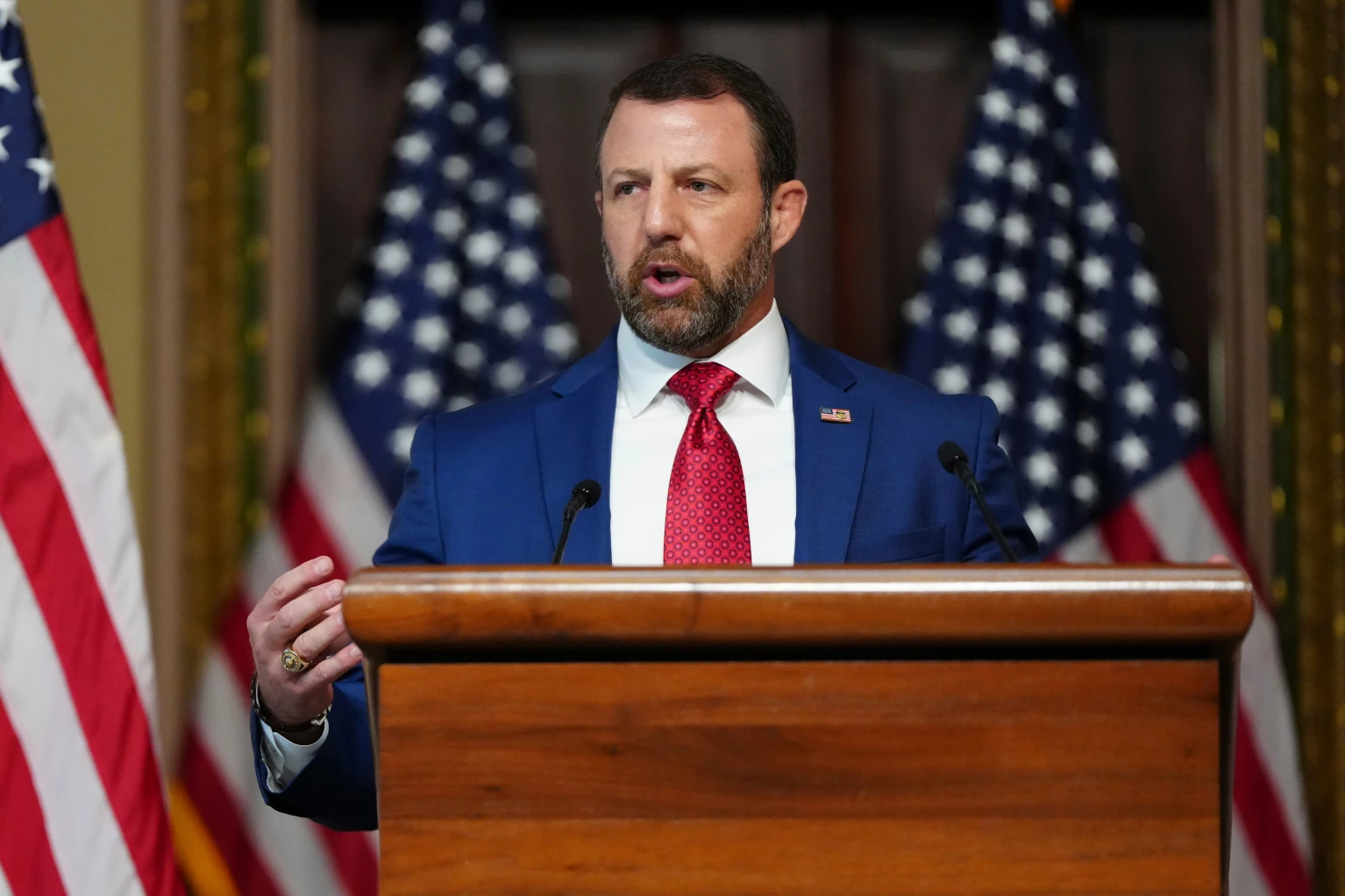
Markwayne Mullin is the Republican U.S. Senator from Oklahoma. Before joining the Senate, he served multiple terms in the U.S. House of Representatives, where he became known for his conservative positions on border security, government spending, and national security.
Since entering the Senate, Mullin has remained an outspoken advocate for strengthening America’s critical infrastructure, including election systems. He frequently argues that voter confidence depends on transparency, cybersecurity, and accountability rather than political rhetoric.
His comments regarding DHS have attracted attention because election security sits at the intersection of homeland security, cyber defense, and public trust.
Why DHS Plays a Role in Election Security
Although elections are administered primarily by individual states, the Department of Homeland Security assists state and local governments by protecting election infrastructure from cyber threats.
DHS, through the Cybersecurity and Infrastructure Security Agency (CISA), provides:
- Cybersecurity assessments
- Threat intelligence
- Vulnerability testing
- Incident response support
- Training for election officials
- Protection against foreign cyberattacks
Importantly, DHS does not conduct elections, count votes, or determine election outcomes. Instead, its mission is to help election officials defend voting systems against cyber threats and foreign interference.
This distinction has become central to many political debates over federal involvement in elections.
Markwayne Mullin’s Position on Election Security
The discussion surrounding Markwayne Mullin DHS election security reflects his broader philosophy that election integrity should combine strong cybersecurity with state authority.
Mullin has generally supported:
- Better protection of election infrastructure
- Stronger cybersecurity investments
- Increased transparency
- Accountability within federal agencies
- Cooperation between DHS and state officials
At the same time, he has argued that DHS should avoid actions that could create perceptions of political influence over elections.
According to Mullin, restoring voter confidence requires clear communication about what federal agencies actually do—and what they do not do.
Growing Focus on Cybersecurity
Election security today extends well beyond physical polling locations.
Modern election systems depend on digital infrastructure, including:
- Voter registration databases
- Election management software
- Ballot reporting systems
- Government networks
- Communication platforms
Cybersecurity experts continue warning that foreign adversaries may attempt to target these systems through phishing campaigns, ransomware, misinformation, or other cyber operations.
Because of these evolving risks, lawmakers from both parties have increasingly supported investments in cybersecurity preparedness, even while disagreeing over the federal government’s broader role.
DHS Under Political Scrutiny
Recent reports involving internal management issues within DHS have added another layer to the conversation about election security.
Several lawmakers, including Senator Mullin, have questioned whether internal instability could distract the department from its national security responsibilities.
Supporters of DHS leadership argue that the department continues performing its election security mission effectively despite political disagreements in Washington.
Critics, meanwhile, say stronger oversight is necessary to ensure public confidence remains high heading into the 2026 elections.
The debate reflects broader concerns over how federal agencies maintain public trust while carrying out technically complex security responsibilities.
Election Integrity Remains a Bipartisan Priority
Despite partisan disagreements over election laws, many experts agree on several core principles:
- Elections should be secure.
- Foreign interference should be prevented.
- Cyberattacks must be detected quickly.
- State election officials need technical support.
- Public confidence should remain high.
The challenge lies in balancing these objectives while respecting the constitutional authority of states to administer elections.
This balance remains at the center of ongoing congressional discussions.
Foreign Threats Continue to Evolve
Intelligence agencies have repeatedly warned that foreign governments may attempt to influence American elections through cyber operations, online disinformation campaigns, and other methods.
Potential threats include:
- Social media influence operations
- Hacking attempts
- Data theft
- Ransomware attacks
- Fake election websites
- AI-generated misinformation
Because these threats evolve rapidly, election security experts recommend continuous monitoring rather than one-time security upgrades.
DHS works alongside intelligence agencies, state governments, and private-sector partners to identify emerging risks before they affect election infrastructure.
Congressional Oversight
Congress plays an important oversight role by reviewing DHS operations, cybersecurity funding, and election preparedness.
Senators like Markwayne Mullin regularly question agency officials during hearings about:
- Cyber readiness
- Budget priorities
- Election infrastructure protection
- Coordination with states
- Threat intelligence sharing
These hearings help lawmakers evaluate whether DHS is effectively supporting election officials without exceeding its statutory authority.
Public Confidence Is a Key Challenge
Even when election systems remain secure, misinformation can undermine public trust.
Experts increasingly emphasize that protecting elections involves not only defending computer systems but also communicating accurate information to voters.
Clear explanations about voting procedures, cybersecurity protections, and election administration can reduce confusion and increase confidence.
Many officials argue that transparency remains one of the strongest tools for maintaining trust in democratic institutions.
Looking Ahead to the 2026 Midterms
As campaigning intensifies, election security will likely remain one of the most closely watched issues in American politics.
Federal agencies, including DHS, are expected to continue supporting state election officials through cybersecurity assistance and threat monitoring.
Meanwhile, lawmakers such as Markwayne Mullin are expected to continue advocating for oversight, accountability, and strong protections for election infrastructure.
Whether future debates focus on cybersecurity funding, federal authority, or public confidence, the issue of Markwayne Mullin DHS election security will remain part of the broader national conversation about safeguarding American democracy.
Conclusion
The discussion surrounding Markwayne Mullin DHS election security highlights the ongoing effort to balance secure elections with state control and public accountability. While political disagreements persist over the appropriate role of federal agencies, there is broad agreement that election infrastructure must be protected from cyber threats, foreign interference, and emerging technological risks.
As the 2026 midterm elections approach, DHS, Congress, and state election officials will continue working to strengthen cybersecurity defenses while maintaining voter confidence. Senator Markwayne Mullin’s calls for transparency and oversight underscore the importance of ensuring that election security measures remain effective, accountable, and trusted by the American public.
Want to learn more about another prominent political figure? Read our in-depth profile on Sara Rodriguez: Wisconsin, Israel, Maiden Name, Data Centres to explore her background, political career, and the key issues shaping her public profile.