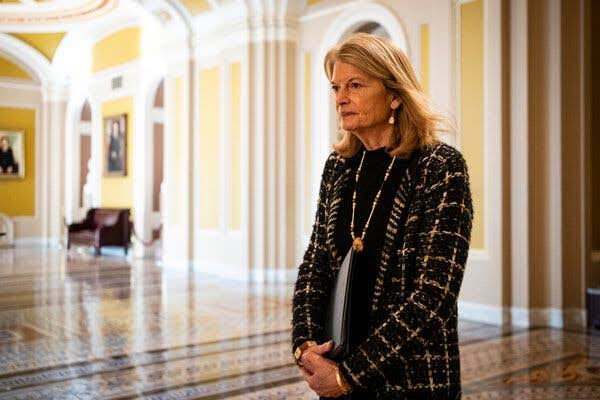
Alaska Senator Lisa Murkowski has firmly opposed the SAVE America Act, arguing that the legislation could create unnecessary barriers for eligible American voters. In a recent Wall Street Journal opinion piece, Murkowski explained her concerns about the bill’s potential impact on election participation, particularly for voters who may face difficulties providing additional documentation requirements.
The senator’s opposition places her among a small group of Republican lawmakers questioning the legislation, which supporters say is designed to protect election integrity. The debate over the SAVE America Act has become a major political issue, with lawmakers divided over whether stricter voter identification rules strengthen elections or restrict access to the ballot box.
What Is the SAVE America Act?
The SAVE America Act is a Republican-backed election bill focused on requiring proof of U.S. citizenship for voter registration in federal elections. Supporters argue that the legislation is necessary to prevent noncitizens from participating in elections and to increase public confidence in the voting system.
The bill would require individuals registering to vote to provide documentary proof of citizenship, such as a passport or other approved identification documents. Republican lawmakers supporting the measure say existing safeguards are insufficient and that additional verification rules are needed.
However, opponents argue that the requirements could create obstacles for millions of eligible citizens who may not have easy access to citizenship documents. They warn that groups such as elderly voters, low-income citizens, military families, and people who have changed their names after marriage could face challenges.
Murkowski’s Opposition to the SAVE America Act
In her Wall Street Journal op-ed, Murkowski expressed strong concerns about the consequences of the legislation. While she has consistently supported election security measures, she argued that protecting elections should not come at the expense of preventing eligible Americans from voting.
Murkowski emphasized that lawmakers should focus on maintaining trust in elections while ensuring that voting remains accessible. She has previously shown a willingness to break with members of her own party on major issues, and her stance on the SAVE America Act reflects her independent approach to policy decisions.
The Alaska senator’s position highlights a broader debate within the Republican Party over election laws. While many conservatives support stronger voting requirements, some Republicans have raised concerns about whether certain proposals could unintentionally affect lawful voters.
Election Security vs. Voting Access Debate
The controversy surrounding the SAVE America Act represents a larger national discussion about balancing election security with voter access.
Supporters of stricter voting laws argue that Americans need confidence that only eligible citizens can participate in elections. They believe additional documentation requirements would strengthen the integrity of the electoral process.
Critics, including Murkowski, argue that election security measures must be carefully designed to avoid creating unnecessary barriers. They point out that voter fraud by noncitizens in federal elections is extremely rare and that existing systems already include verification procedures.
The disagreement reflects a major divide between Republicans and Democrats over how best to protect democracy. While Republicans often prioritize stronger identification and verification rules, Democrats generally argue that these measures could reduce participation among eligible voters.
Why Murkowski’s Position Matters
Murkowski’s opposition carries political significance because she is one of the few Republican senators known for taking independent positions on controversial issues. Her vote and public statements can influence discussions within the Senate, especially when lawmakers are closely divided.
The Senate has often been a place where election legislation faces significant challenges due to competing political priorities. A Republican senator publicly opposing the SAVE America Act could make it more difficult for supporters to build broader support for the bill.
Her comments also demonstrate the complexity of election policy debates. Even within the Republican Party, there are differences over how to address concerns about election integrity while preserving voter participation.
Reactions From Supporters and Critics
Supporters of the SAVE America Act criticized Murkowski’s position, arguing that proof-of-citizenship requirements are reasonable safeguards. They maintain that Americans should have confidence that federal elections are limited to eligible citizens.
Some Republican lawmakers have argued that requiring documentation is similar to other verification processes Americans regularly complete in daily life. They believe the policy would improve transparency and strengthen trust in elections.
Meanwhile, voting rights advocates welcomed Murkowski’s opposition. They argue that strict documentation requirements could disproportionately affect certain groups of citizens who may struggle to obtain or replace official documents.
Civil rights organizations have repeatedly warned that additional voting requirements must be evaluated carefully to ensure they do not prevent eligible voters from exercising their constitutional rights.
The Political Impact of Murkowski’s Stand
The debate over the SAVE America Act comes at a time when election laws remain one of the most politically sensitive issues in the United States. State and federal lawmakers continue to debate changes involving voter registration, identification requirements, election administration, and ballot access.
Murkowski’s decision to publicly oppose the bill could influence other moderate lawmakers who are considering their positions. Her stance may also reinforce her reputation as a senator willing to prioritize policy concerns over party unity.
As Congress continues discussing election-related legislation, the future of the SAVE America Act remains uncertain. Supporters will likely continue pushing for stronger citizenship verification rules, while opponents will argue that election security efforts must not limit access for eligible voters.
Conclusion
Senator Lisa Murkowski’s opposition to the SAVE America Act highlights the ongoing national debate over election integrity and voting rights. In her Wall Street Journal op-ed, she argued that protecting elections requires a careful balance between security and accessibility.
The SAVE America Act remains a major political issue, with supporters viewing it as an important safeguard and critics warning about potential consequences for voters. Murkowski’s position demonstrates that election policy debates extend beyond party lines and involve complex questions about democracy, participation, and public trust.
As lawmakers continue to debate the legislation, the controversy surrounding the SAVE America Act is likely to remain a central issue in American politics.
For more details on the legal battle surrounding the Columbia University activist case, read our in-depth coverage of “Appeals Court Reverses Mohsen Mahdawi Release Decision in Columbia Activist Case”, which explains the court’s ruling, immigration concerns, and the broader debate over free speech and federal authority.