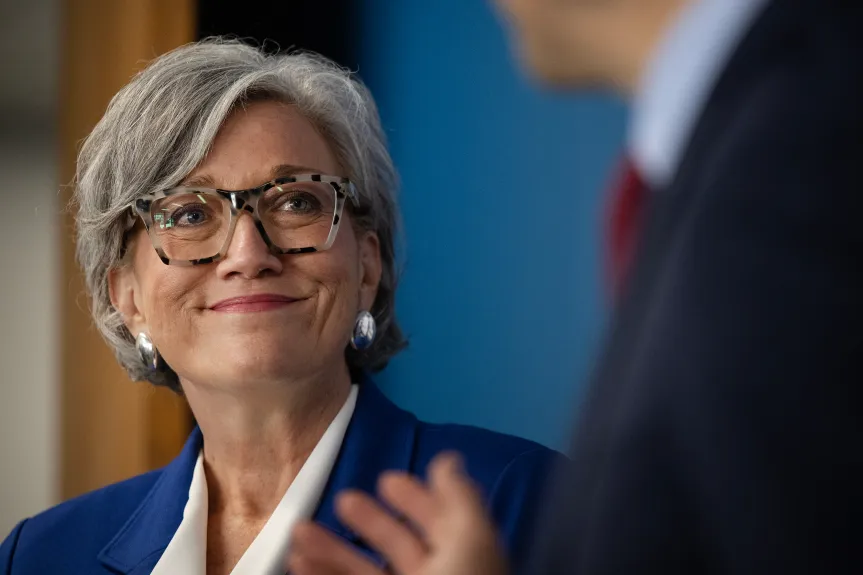
As Colorado’s 2026 gubernatorial race intensifies, Democratic candidate and Colorado Attorney General Phil Weiser has made one of the most significant decisions of his campaign by selecting a metro Denver county commissioner as his running mate. The announcement is expected to strengthen the Democratic ticket by appealing to suburban voters while highlighting local government experience, economic development, and public safety.
The decision comes at a crucial time as candidates seek to build broad coalitions before the general election. By choosing a respected local official from the Denver metropolitan area, Weiser is signaling that his campaign will focus on practical governance, regional cooperation, and addressing the everyday concerns of Colorado residents.
In this article, we examine Phil Weiser Picks Metro Denver County Commissioner as Running Mate in Colorado Governor’s Race, why the selection matters, the political implications, and how it could shape the race for Colorado governor.
Who Is Phil Weiser?
Phil Weiser has served as Colorado’s Attorney General since 2019. Before entering statewide politics, he built a reputation as a legal scholar and educator, teaching constitutional law and technology law while advocating for consumer protection, civil rights, and competition in the marketplace.
During his tenure as attorney general, Weiser has focused on:
- Consumer protection
- Public safety initiatives
- Combating opioid abuse
- Environmental enforcement
- Cybersecurity
- Antitrust litigation
His campaign for governor emphasizes economic opportunity, affordable housing, education, clean energy, and strengthening state institutions.
Why the Running Mate Matters
A gubernatorial running mate is more than a symbolic choice. The lieutenant governor often becomes a key adviser, policy advocate, and public representative for the administration.
Campaign strategists typically evaluate several factors when selecting a running mate:
- Geographic balance
- Government experience
- Demographic appeal
- Leadership credentials
- Ability to campaign statewide
- Policy expertise
By choosing a metro Denver county commissioner, Weiser appears to be emphasizing practical local leadership and suburban outreach.
Why Metro Denver Is Politically Important
The Denver metropolitan region is home to a significant share of Colorado’s population and voters. Counties surrounding Denver frequently determine statewide election outcomes because they include a diverse mix of urban, suburban, and independent voters.
The region faces several pressing issues:
- Rising housing costs
- Transportation congestion
- Population growth
- Water management
- Public safety
- Economic development
- Infrastructure investment
A county commissioner typically works directly on many of these issues, giving the Democratic ticket additional governing experience.
Experience at the Local Level
County commissioners oversee budgets worth hundreds of millions of dollars in many Colorado counties. Their responsibilities often include:
- Road maintenance
- Public health
- Emergency management
- Elections administration
- Human services
- Economic development
- Parks and open space
- Regional planning
This background allows a lieutenant governor candidate to speak directly about practical governance rather than purely legislative politics.
Strategic Benefits for the Weiser Campaign
Political analysts see several advantages in Weiser’s decision.
Strengthening Suburban Support
Colorado’s suburbs have become increasingly influential in statewide elections. Winning suburban independents often determines whether Democrats or Republicans prevail.
A commissioner from metro Denver may resonate with voters who prioritize:
- Cost of living
- Property taxes
- Transportation
- Schools
- Local services
Executive Experience
Unlike legislators, county commissioners manage budgets, employees, and public programs on a daily basis.
That executive experience complements Weiser’s legal background.
Broadening the Ticket
Running mates often help campaigns appeal to voters beyond the gubernatorial candidate’s existing base.
The selection signals an effort to unite urban and suburban communities while demonstrating statewide governing capability.
Key Issues Expected to Dominate the Campaign
The Colorado governor’s race is expected to revolve around several major topics.
Housing Affordability
Housing remains one of Colorado’s biggest challenges.
Many communities continue experiencing:
- High home prices
- Limited housing inventory
- Rising rents
- Workforce housing shortages
Candidates will likely debate zoning reforms, affordable housing investments, and incentives for new construction.
Public Safety
Crime, drug trafficking, and emergency response remain top concerns.
Both parties are expected to propose policies addressing:
- Community policing
- Fentanyl enforcement
- Mental health services
- Wildfire preparedness
Economic Growth
Colorado continues attracting businesses and workers, but economic expansion also creates infrastructure pressures.
Campaign discussions will likely focus on:
- Job creation
- Small business support
- Workforce development
- Technology investment
Transportation
Rapid population growth has increased traffic congestion across the Front Range.
Future transportation investments may include:
- Highway improvements
- Transit expansion
- Rail projects
- Rural transportation funding
Republican Response
Republican candidates are expected to argue for different approaches on taxation, public spending, energy production, and public safety.
The GOP may portray Democratic leadership as responsible for:
- Rising housing costs
- Increased government spending
- Regulatory burdens
- Public safety concerns
Democrats, meanwhile, are expected to emphasize economic growth, investments in education, renewable energy, and healthcare.
The Role of the Lieutenant Governor
Although governors receive most public attention, lieutenant governors often lead major initiatives.
Potential responsibilities include:
- Rural economic development
- Education partnerships
- Tourism promotion
- Disaster recovery
- Workforce initiatives
- Intergovernmental coordination
A candidate with county government experience may be especially well suited for these collaborative responsibilities.
What This Means for Colorado Voters
The selection reflects a campaign focused on practical governance rather than ideological messaging.
Many Colorado voters are increasingly concerned with issues that directly affect daily life, including:
- Affordable housing
- Transportation
- Public safety
- Water resources
- Education
- Healthcare access
A ticket combining statewide legal leadership with county-level executive experience may appeal to moderates seeking experienced administrators.
Challenges Ahead
Despite the announcement, the campaign still faces significant hurdles.
These include:
- Fundraising competition
- Statewide voter outreach
- Debates on inflation
- National political influences
- Independent voter preferences
Colorado remains politically competitive even though Democrats have enjoyed recent statewide success.
Campaign performance, economic conditions, and voter turnout will all influence the final result.
Looking Ahead to the 2026 Election
The gubernatorial contest will likely become one of the most closely watched races in the Mountain West.
Phil Weiser’s choice of a metro Denver county commissioner reflects a strategy centered on experienced governance, regional representation, and coalition-building. Whether that strategy succeeds will depend on how effectively the Democratic ticket connects with voters concerned about affordability, public safety, infrastructure, and economic opportunity.
As campaigning accelerates, Coloradans can expect extensive debate over the state’s future direction, making the lieutenant governor selection an important early milestone in what promises to be a highly competitive race.
Conclusion
The announcement that Phil Weiser Picks Metro Denver County Commissioner as Running Mate in Colorado Governor’s Race marks a pivotal moment in Colorado’s 2026 gubernatorial election. The decision strengthens the Democratic ticket with local executive experience while underscoring the campaign’s focus on suburban communities and practical problem-solving.
With housing, transportation, public safety, and economic growth expected to dominate the campaign, voters will closely examine not only the candidates’ promises but also the experience they bring to governing. As Election Day approaches, this running mate selection could prove to be one of the defining strategic moves of the race.