The postal voting battle in the United States has entered another major legal phase after a federal appeals court rejected the Trump administration’s attempt to enforce new restrictions on mail-in voting across 23 states. The decision prevents key parts of an executive order aimed at changing how states manage absentee and mail ballots ahead of the upcoming elections.
The ruling represents a significant setback for Donald Trump’s efforts to reshape election procedures through federal action. The administration argued that stricter rules were necessary to protect election security, while opponents claimed the measures exceeded presidential authority and interfered with states’ constitutional role in managing elections.
With election preparations already underway, the court decision has intensified the national debate over voting access, election administration, and the future of mail-in voting in America.
Appeals Court Blocks Trump Mail-In Voting Order
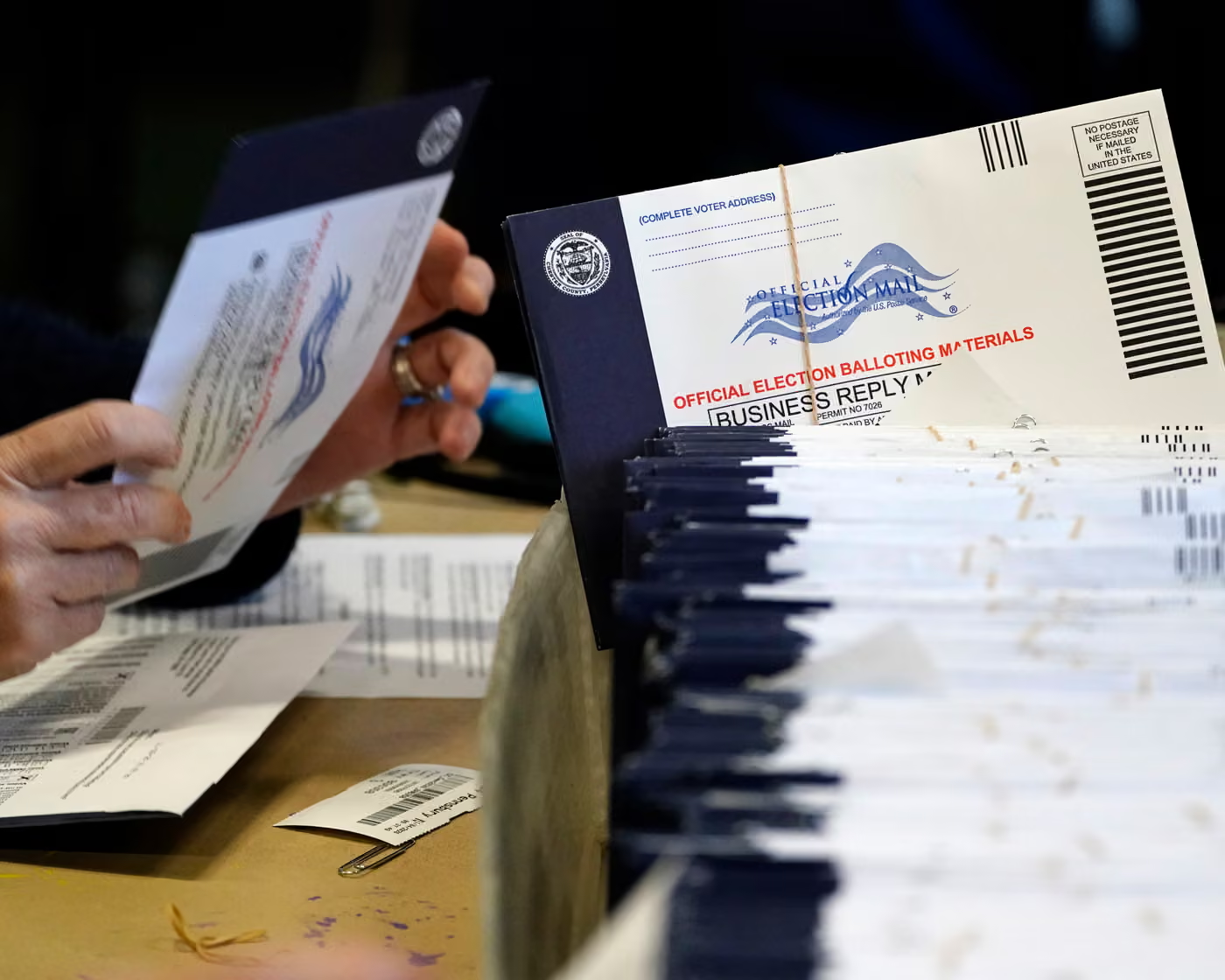
A federal appeals court declined to lift a previous injunction that blocked major parts of Trump’s executive order targeting mail-in voting procedures. The ruling means the restrictions cannot currently be implemented in 23 states involved in the legal challenge.
The case was brought by a coalition of states that argued the executive order placed unnecessary burdens on election officials and conflicted with existing election laws. States including California, Massachusetts, Nevada, and Washington were among those challenging the federal action.
The appeals court agreed that the states faced immediate operational challenges and financial costs if they were forced to change their voting systems before elections.
What Trump’s Mail-In Voting Executive Order Attempted to Change
The Trump administration’s executive order sought to introduce new federal requirements for mail-in ballots. Supporters said the changes would improve election security and prevent potential abuses.
Among the proposed measures were requirements involving voter eligibility verification, federal oversight of certain election procedures, and new standards connected to ballot handling and delivery.
The order also involved the U.S. Postal Service and other federal agencies in election-related processes, raising concerns among critics about increased federal control over elections traditionally managed by states and local governments.
Opponents argued that election administration is primarily a state responsibility and that the president does not have broad authority to impose nationwide voting rules without congressional approval.
States Challenge Federal Control Over Elections
The legal fight highlights a long-running disagreement between federal officials and states over who should control election procedures.
Under the U.S. Constitution, states have historically played the leading role in administering elections, including setting rules for absentee ballots, voter registration, and ballot counting.
The states involved in the lawsuit argued that Trump’s order could disrupt election planning and force officials to make costly changes to systems that were already prepared for upcoming elections.
Election officials warned that last-minute changes could create confusion for voters and administrators, especially in states where millions of residents rely on mail ballots.
Trump Administration’s Argument on Election Security
The Trump administration has repeatedly argued that stricter voting rules are needed to maintain confidence in elections.
Supporters of the executive order say mail-in voting requires stronger verification procedures to protect against fraud and ensure that only eligible voters participate.
The administration has focused on concerns about ballot security, voter identification, and election transparency. However, critics argue that broad restrictions could make voting more difficult for eligible citizens, including elderly voters, military personnel, and people who cannot easily reach polling locations.
The court’s decision does not end the broader debate over election security but prevents the administration from immediately enforcing the disputed measures.
Impact on Mail-In Voting Ahead of Elections
The appeals court ruling could have major implications for election officials preparing for future contests.
Millions of Americans use mail-in voting every election cycle, making it one of the most important voting methods in the country. Supporters say it increases accessibility and allows more citizens to participate, while opponents continue to demand stronger safeguards.
The legal battle comes as political parties prepare for competitive elections where voting rules could influence turnout and campaign strategies.
The decision also keeps existing state-level mail voting policies in place while the broader constitutional questions continue through the courts.
Could the Case Reach the Supreme Court?
The Justice Department may seek further review of the appeals court ruling, potentially taking the dispute to the U.S. Supreme Court.
If the Supreme Court agrees to hear the case, the justices could address major questions about presidential authority, federal election oversight, and the balance between national and state control over voting procedures.
Election law experts say the outcome could influence future battles over voting rules across the country.
Political Reactions and Public Debate
The appeals court decision has triggered strong reactions from both sides of the political divide.
Voting rights advocates praised the ruling, saying it protects states’ ability to manage elections and prevents unnecessary restrictions on voters.
Republican officials and Trump supporters criticized the decision, arguing that courts should allow stronger election security measures to move forward.
The disagreement reflects the broader political divide surrounding mail-in voting, which became especially controversial after the 2020 presidential election.
Conclusion: Postal Voting Battle Continues
The postal voting battle between the Trump administration and states challenging mail-in voting restrictions is far from over. The appeals court decision blocks immediate enforcement of the disputed executive order, but the larger legal and political fight over election authority continues. (Reuters)
As elections approach, mail-in voting will remain one of the most closely watched issues in American politics. The final outcome of this case could shape how states and federal officials handle voting rules for years to come.
As concerns over government transparency continue to grow, the controversy surrounding the Pentagon’s handling of U.S. military casualties in the Iran war has sparked fresh debates about accountability, national security, and public trust. Read more about the Pentagon Accused of Cover-Up Over U.S. Military Casualties in Iran War Amid Growing Backlash and the latest developments surrounding the issue.