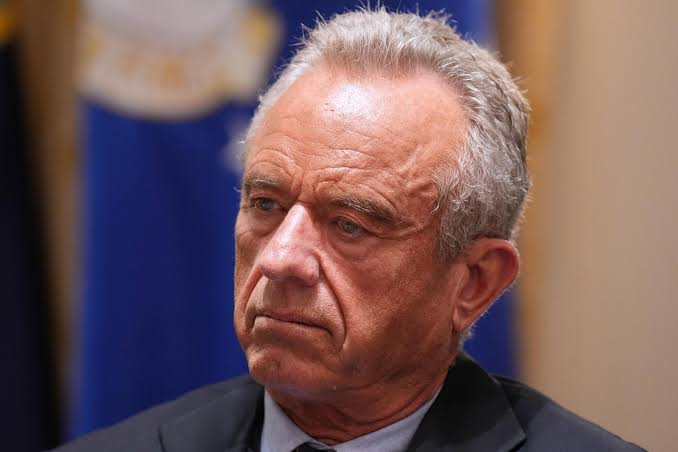
The RFK Jr Hatch Act complaint has become one of the latest controversies surrounding Health and Human Services (HHS) Secretary Robert F. Kennedy Jr. The complaint raises questions about whether a senior federal official improperly used his government position for political purposes, potentially violating one of the country’s most important ethics laws governing executive branch employees.
The Hatch Act has long been designed to keep politics separate from government administration. While cabinet secretaries are permitted to engage in some political activity, there are strict limitations on when and how they can do so, especially when acting in their official capacities.
As debate over the complaint continues, legal experts, ethics watchdogs, and political observers are examining whether Kennedy’s actions crossed the legal line or simply reflected protected political speech. Here’s everything to know about the RFK Jr Hatch Act complaint, the Hatch Act itself, and what the investigation could mean.
What Is the RFK Jr Hatch Act Complaint?
The RFK Jr Hatch Act complaint alleges that Robert F. Kennedy Jr., while serving as Secretary of Health and Human Services, engaged in political activity connected to his official government role.
Ethics organizations filed the complaint with the U.S. Office of Special Counsel (OSC), the independent federal agency responsible for enforcing the Hatch Act among executive branch employees.
According to the complaint, Kennedy allegedly made statements or participated in activities that could be interpreted as supporting partisan political interests while acting in his official capacity.
The complaint requests that the OSC determine whether Kennedy improperly mixed government authority with political advocacy.
Importantly, filing a complaint does not establish that any law has been violated. It simply begins a legal and administrative review process.
What Is the Hatch Act?
The Hatch Act was enacted in 1939 to prevent federal employees from using government resources or official authority to influence elections.
Its primary purpose is to ensure that federal programs remain politically neutral and that government employees perform their duties without partisan pressure.
Generally, the law prohibits federal employees from:
- Using official authority to affect election outcomes.
- Campaigning while on official duty.
- Soliciting political contributions.
- Using government resources for partisan purposes.
- Wearing campaign materials while performing official government work.
The law seeks to balance two important principles:
- Federal employees retain First Amendment rights.
- Government offices should not become tools for political campaigns.
Does the Hatch Act Apply to Cabinet Secretaries?
Yes.
Cabinet secretaries, including the Secretary of Health and Human Services, are covered by portions of the Hatch Act.
However, cabinet officials receive broader exemptions than many career civil servants because they are presidential appointees.
Even so, they generally may not:
- Use official government events for campaign purposes.
- Use federal resources to support political candidates.
- Invoke official authority to influence elections.
This distinction often makes Hatch Act investigations highly fact-specific.
Why Was the Complaint Filed?
The complaint reportedly centers on public remarks and appearances made by Kennedy while serving as HHS Secretary.
Critics argue that certain comments appeared to promote partisan political interests rather than purely discussing government policy.
Ethics advocates contend that when cabinet officials appear in their official capacity, they must avoid language that could reasonably be interpreted as campaign-related.
Supporters of Kennedy disagree, arguing that cabinet secretaries frequently defend administration policies and criticize political opponents without violating federal ethics rules.
The key legal question is whether Kennedy’s actions constituted prohibited political activity or merely represented permissible discussion of government policy.
How Does an OSC Investigation Work?
Once the Office of Special Counsel receives a Hatch Act complaint, investigators typically review:
- Public statements
- Official schedules
- Government communications
- Event details
- Social media activity
- Context surrounding the alleged conduct
Investigators determine:
- Whether the individual was acting in an official capacity.
- Whether political activity occurred.
- Whether government resources were involved.
- Whether intent can be established.
Not every complaint results in formal charges.
Many complaints are dismissed after review if investigators conclude that the available evidence does not support a Hatch Act violation.
Possible Outcomes
Several outcomes are possible following the RFK Jr Hatch Act complaint.
No Violation
Investigators could determine Kennedy complied with federal ethics laws.
If that happens, the complaint would likely be closed without further action.
Warning Letter
In some cases, officials receive guidance or warning letters reminding them about Hatch Act restrictions.
Formal Finding
If investigators conclude a violation occurred, the Office of Special Counsel may issue findings recommending disciplinary action.
Because cabinet secretaries are presidential appointees, any final disciplinary decisions typically involve the President.
Previous Hatch Act Cases
The Hatch Act has been enforced against officials from both Republican and Democratic administrations.
Previous cases have involved:
- Social media posts
- Campaign interviews
- Political speeches
- Official press conferences
- Government email use
Several high-profile White House officials have previously faced Hatch Act investigations, although enforcement outcomes have varied depending on the specific facts.
This history demonstrates that Hatch Act complaints are not unusual during highly polarized political periods.
Political Reactions
The RFK Jr Hatch Act complaint has generated sharply divided reactions.
Critics argue that ethics rules exist to protect public trust and should be enforced consistently regardless of political affiliation.
They believe even cabinet secretaries should avoid actions that could blur the line between governing and campaigning.
Supporters counter that many complaints are politically motivated and intended to generate headlines rather than establish genuine legal violations.
Some legal observers also note that Hatch Act enforcement often depends on nuanced factual analysis rather than obvious legal violations.
Why the Complaint Matters
Although the complaint focuses on one official, it has broader implications.
Federal ethics laws help ensure:
- Fair administration of government programs
- Public confidence in federal agencies
- Equal treatment of political parties
- Protection of taxpayer-funded resources
Whenever allegations involve cabinet-level officials, they attract significant public attention because they raise questions about executive branch accountability.
The outcome may also influence how future administrations interpret political activity rules for senior officials.
What Happens Next?
The Office of Special Counsel will determine whether the complaint warrants a formal investigation.
If investigators proceed, they may request documents, review official records, and examine the surrounding circumstances.
Depending on the findings, the case could conclude with:
- No action
- Administrative guidance
- A formal violation finding
- Recommended disciplinary measures
The process can take weeks or months depending on the complexity of the allegations.
Until investigators announce their conclusions, the complaint remains an allegation rather than a confirmed violation.
Broader Debate Over Government Ethics
The RFK Jr Hatch Act complaint also reflects a larger national debate over ethics in government.
Modern cabinet officials frequently appear on television, participate in public events, and communicate through social media, making it increasingly difficult to distinguish official government messaging from political advocacy.
Legal scholars continue debating whether existing Hatch Act rules adequately address today’s communication landscape.
Regardless of the eventual outcome, the case serves as another reminder that senior government officials remain subject to federal ethics standards designed to preserve public confidence in government institutions.
Conclusion
The RFK Jr Hatch Act complaint places renewed attention on the boundaries between official government responsibilities and partisan political activity. While the allegations have generated widespread discussion, no determination has yet been made regarding whether Robert F. Kennedy Jr. violated the Hatch Act.
As the Office of Special Counsel reviews the complaint, the case is likely to remain in the spotlight because of Kennedy’s high-profile role in the administration and the broader importance of government ethics laws. Whether the complaint results in dismissal, guidance, or formal action, it underscores the continuing significance of maintaining clear ethical standards for federal officials.
As divisions continue to reshape the Republican Party, read our analysis of House Republican Conservative Rebellion: Why GOP Conservatives Are Challenging Party Leadership in 2026 to understand the internal disputes driving the latest GOP leadership battles and legislative strategy.