The Trump administration U.S. attorney lawsuit has become a major legal battle over presidential authority, federal appointments, and the limits of executive power. The dispute centers on whether the administration had the legal authority to remove a U.S. attorney who was appointed through a judicial process to temporarily lead a federal prosecutor’s office.
The lawsuit has drawn national attention because it raises broader questions about how presidents can influence the Justice Department, whether courts can appoint interim prosecutors, and how the balance of power works between the executive branch and the federal judiciary.
Background of the Trump Administration U.S. Attorney Lawsuit
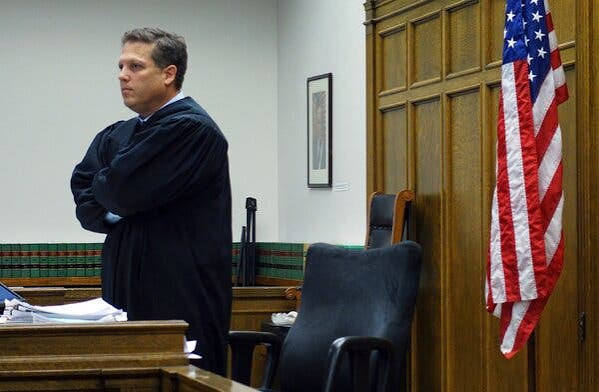
The controversy began after Roger Rogoff, a former judge and prosecutor, was appointed as the U.S. attorney for the Western District of Washington by a panel of federal judges. The appointment came after a vacancy in the position, with judges using their authority under federal law to temporarily fill the role.
However, shortly after Rogoff’s appointment, the Trump administration removed him from the position. Rogoff then filed a lawsuit arguing that his dismissal violated federal law and constitutional protections governing appointments.
His legal challenge argues that he should remain in the position until a permanent U.S. attorney is nominated by the president and confirmed by the Senate.
Why the Lawsuit Matters
The Trump administration U.S. attorney lawsuit is not only about one prosecutor’s job. It involves a larger constitutional debate about the separation of powers.
U.S. attorneys are among the most influential officials in the federal justice system. They oversee criminal investigations, prosecutions, and enforcement actions within their districts. Because of their authority, presidents have historically sought to appoint prosecutors who align with their administration’s priorities.
Supporters of presidential authority argue that the president should have broad control over executive branch officials, including federal prosecutors. They believe elected presidents must have the ability to choose law enforcement leaders who will carry out their agenda.
Critics argue that allowing presidents unlimited control over prosecutors could weaken judicial independence and create political pressure within the Justice Department.
Legal Arguments in the Case
Rogoff’s lawsuit reportedly claims that the Trump administration violated the Constitution’s Appointments Clause and federal statutes governing U.S. attorney vacancies.
The central legal question is whether a president can remove a U.S. attorney who was appointed by federal judges under a law allowing courts to temporarily fill vacancies.
The administration’s position is that the president has the authority to control executive branch officials and remove individuals who do not have the president’s support.
The court will likely examine the relationship between presidential removal power and congressional rules regarding temporary federal appointments.
History of U.S. Attorney Appointments
The position of U.S. attorney has long been connected to presidential politics. Presidents typically nominate U.S. attorneys, and the Senate confirms them.
When vacancies occur, federal law provides several methods for temporarily filling positions. These temporary appointments can become controversial when they conflict with presidential preferences.
Past administrations from both political parties have faced disputes involving U.S. attorneys. However, the current lawsuit has gained attention because it directly challenges the limits of presidential removal authority.
Trump Administration’s Approach to Federal Prosecutors
The Trump administration has taken an aggressive approach toward reshaping federal law enforcement leadership. Supporters say the administration is exercising normal executive authority by ensuring that prosecutors follow its priorities.
Opponents argue that replacing prosecutors too quickly or targeting officials involved in sensitive cases could undermine public confidence in the Justice Department.
The U.S. attorney lawsuit adds to a growing number of legal disputes involving the Trump administration and federal agencies. These cases often focus on whether executive actions exceed presidential authority.
Potential Impact on the Justice Department
The outcome of the lawsuit could have consequences beyond Washington state.
If the court sides with Rogoff, it could strengthen the authority of federal judges to temporarily appoint prosecutors during vacancies. It could also place limits on presidential efforts to remove such officials.
If the administration wins, presidents may gain broader authority over U.S. attorneys appointed during vacancy periods.
The ruling could influence future conflicts between presidents, courts, and federal prosecutors.
Political Reactions and Public Debate
The lawsuit has intensified debate over the independence of federal law enforcement.
Republican supporters of the administration argue that presidents need control over executive officials because they are accountable to voters. They say unelected officials should not block the president’s agenda.
Democratic critics argue that federal prosecutors must operate independently from political influence. They warn that excessive presidential control could damage trust in the justice system.
Legal experts are closely watching the case because it could establish important precedent for future administrations.
Broader Trump Legal Battles
The U.S. attorney dispute is part of a wider series of legal conflicts involving the Trump administration. Recent lawsuits have challenged administration decisions involving federal agencies, immigration policies, election-related issues, and Justice Department actions. (Reuters)
These legal battles highlight ongoing tensions between executive power and judicial oversight.
Conclusion
The Trump administration U.S. attorney lawsuit represents a significant constitutional dispute over presidential authority and the independence of federal prosecutors. The case involving Roger Rogoff could determine how much control future presidents have over temporary U.S. attorney appointments and whether courts can protect officials appointed through judicial processes. (NBC Chicago)