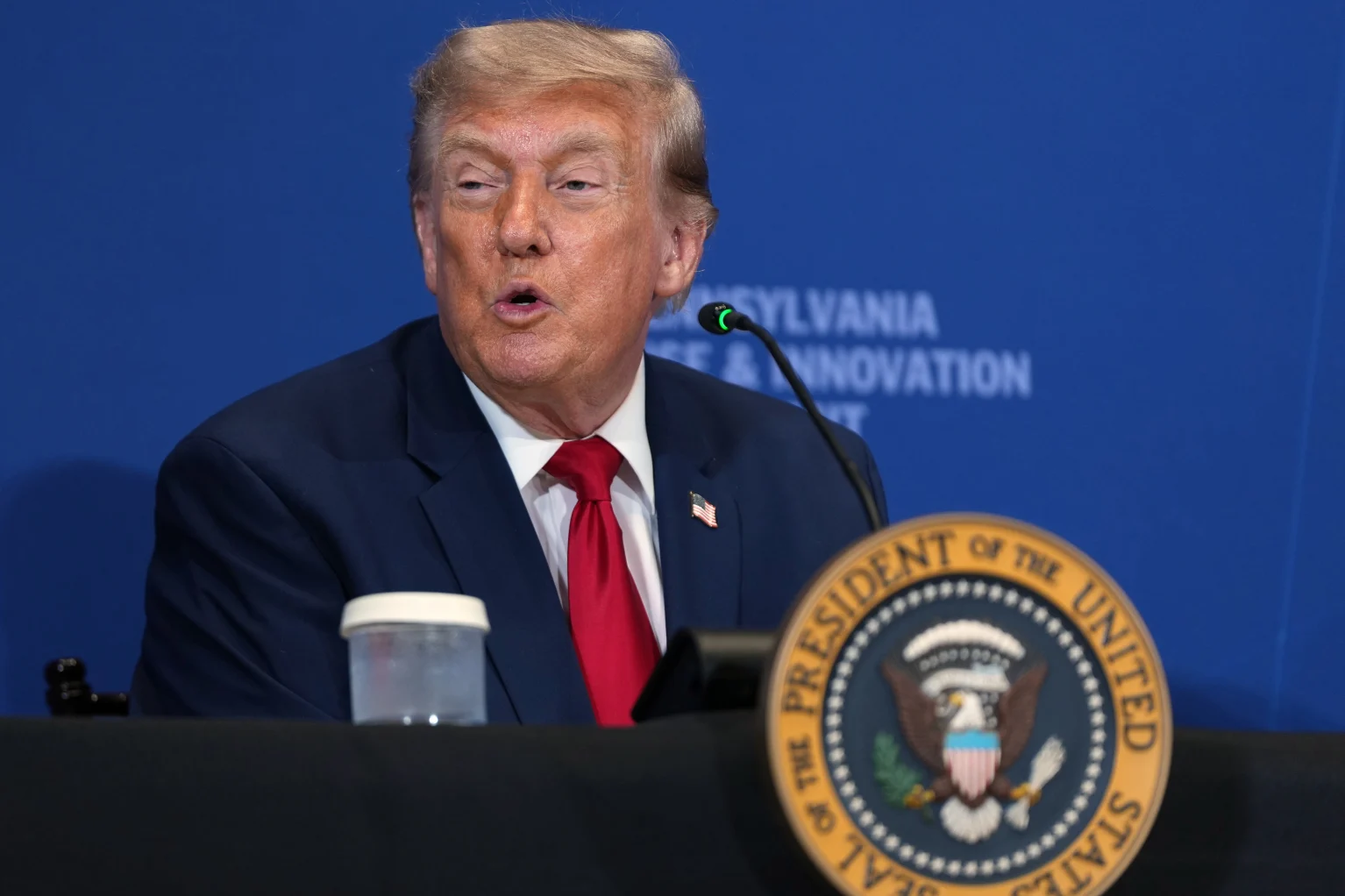
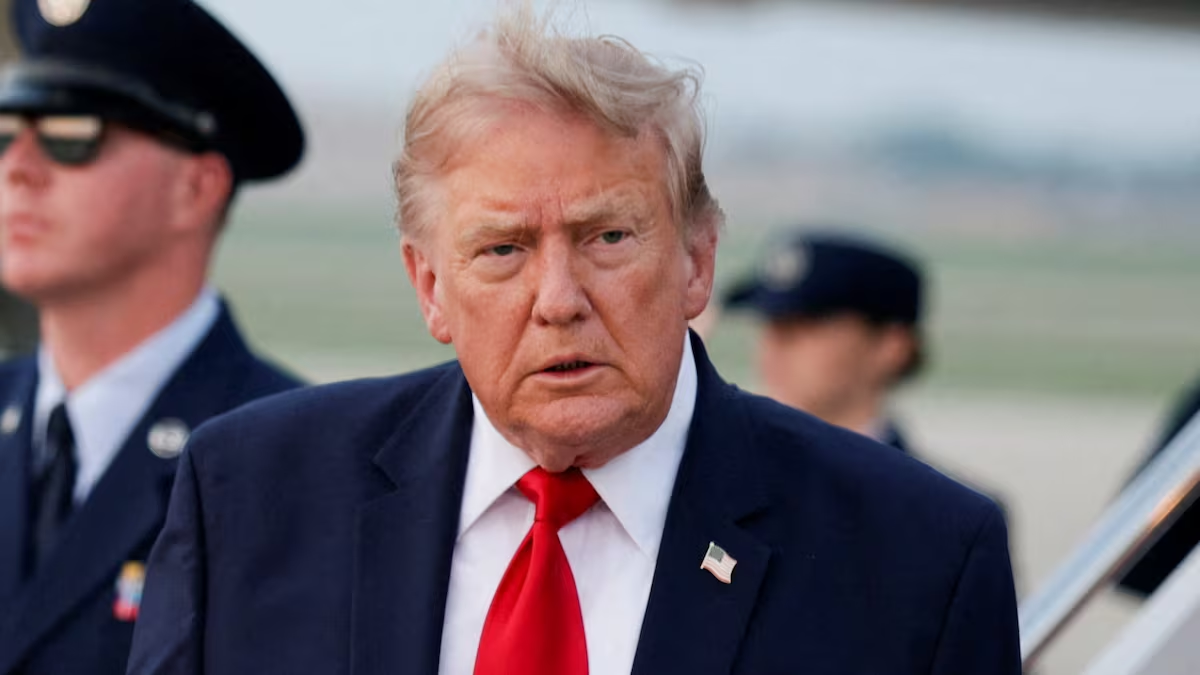
President Donald Trump has built much of his political identity around confronting opponents rather than collaborating with them. Throughout his political career, he has often portrayed Democrats and even dissenting Republicans as obstacles to his agenda. However, recent political developments suggest that the White House is increasingly relying on cooperation from lawmakers who have frequently criticized Trump’s policies. As legislative priorities stall and political pressure mounts ahead of the 2026 midterm elections, the administration has found itself seeking support from political rivals to advance key initiatives.
This shift reflects the realities of governing in a closely divided Congress, where even a president with strong influence inside his party cannot always secure enough votes to pass legislation or confirm major appointments. While Trump continues to maintain significant control over much of the Republican Party, recent disputes within the GOP and growing resistance from some senators have complicated his agenda.
Why Trump Is Looking Beyond His Political Base
The administration faces several major legislative battles, including election reform measures, national security proposals, immigration funding, and judicial nominations. Although Republicans hold substantial influence in Congress, internal disagreements have prevented smooth passage of several priorities.
Senate Republicans have increasingly challenged portions of Trump’s agenda, particularly regarding spending proposals and foreign policy decisions. These divisions have forced the White House to explore bipartisan negotiations on certain issues where Democratic support—or at least cooperation—could determine the outcome.
Political observers note that this is not unusual in Washington. Presidents from both parties often negotiate with political opponents when margins are narrow. However, the situation stands out because Trump’s political brand has traditionally emphasized confrontation over compromise.
Senate Resistance Creates New Challenges
One of the biggest hurdles facing the administration has come from within its own party.
Several Republican senators have openly questioned aspects of Trump’s legislative strategy and foreign policy decisions. Tensions have surfaced over:
- Election legislation
- Funding priorities
- Iran-related policy
- Confirmation of executive nominees
- Congressional spending measures
These disagreements became increasingly visible during private meetings between Trump and Senate Republicans, where lawmakers reportedly expressed frustration over legislative priorities and political strategy.
The growing friction has reduced the administration’s ability to rely solely on Republican votes.
Bipartisan Cooperation Becomes Increasingly Important
As legislative deadlines approach, bipartisan cooperation has become more valuable.
Several proposals require overcoming procedural hurdles in the Senate, making cross-party support essential. Democratic lawmakers remain strongly opposed to many White House priorities, yet negotiations continue on issues where bipartisan agreement is possible, including infrastructure, housing, disaster assistance, and selected national security measures.
Even when legislation ultimately fails, discussions with political rivals can help shape amendments or secure procedural votes needed to move bills forward.
Political analysts say this reflects practical governance rather than ideological change.
Trump’s Relationship With Republicans Is Also Evolving
Although Trump remains the dominant figure in Republican primary politics, recent months have shown signs that some GOP lawmakers are willing to challenge him publicly.
Several Senate Republicans have resisted White House demands regarding controversial spending proposals and questioned the administration’s approach to foreign policy. Others have urged greater consultation before major legislative announcements.
Despite these disagreements, most Republican lawmakers continue supporting Trump’s broader agenda while seeking greater independence on specific policy issues.
This evolving relationship illustrates the balance lawmakers face between party loyalty and representing their own political interests.
Midterm Elections Raise the Stakes
The approaching 2026 midterm elections add another layer of complexity.
Republicans hope to retain congressional majorities, but competitive races across several states have increased pressure on party leaders to present a unified message.
Some candidates have embraced Trump’s endorsements, while others have adopted more independent campaign strategies tailored to local voters.
Political strategists believe these differing approaches reflect varying electoral realities rather than a broader split within the party.
For the White House, passing meaningful legislation before Election Day could strengthen campaign messaging by demonstrating governing effectiveness.
Democrats Hold Significant Leverage
Although Democrats remain firmly opposed to many administration priorities, they possess leverage in closely contested legislative battles.
On certain procedural votes, bipartisan cooperation may determine whether bills advance through Congress. Democratic leaders have indicated that cooperation depends on policy concessions rather than political messaging.
Negotiations frequently involve:
- Budget adjustments
- National security provisions
- Emergency funding
- Infrastructure investments
- Administrative oversight measures
While comprehensive agreements remain difficult, targeted compromises have become increasingly common in Washington.
Political Rivals Become Necessary Partners
The phrase “political rivals” extends beyond Democrats.
In today’s political environment, rival factions often exist within the same political party. Several Republican lawmakers who have publicly disagreed with Trump still play critical roles in passing legislation.
This means the administration must sometimes negotiate with:
- Moderate Republicans
- Fiscal conservatives
- National security hawks
- Swing-state senators
- Democratic committee leaders
Such negotiations demonstrate the complex realities of governing under narrow congressional margins.
Public Perception Matters
How voters interpret bipartisan negotiations may influence the political narrative heading into November.
Supporters argue that working across party lines shows pragmatic leadership capable of achieving results.
Critics contend that the administration’s reliance on political rivals reflects weakening influence within Congress.
Public opinion will likely depend less on the negotiations themselves and more on whether they produce tangible legislative outcomes.
What Comes Next?
The coming months will determine whether the administration can convert negotiations into legislative victories.
Key issues expected to dominate congressional discussions include election policy, immigration funding, judicial confirmations, federal spending, and national security legislation.
If bipartisan agreements emerge, Trump may claim credit for delivering results despite political divisions. If negotiations stall, both parties are likely to blame one another as campaigning intensifies ahead of the midterms.
Either way, cooperation between political opponents is becoming an increasingly important feature of Washington politics.
Conclusion
President Donald Trump’s decision to seek support from political rivals highlights the realities of governing during a period of narrow congressional margins and growing political polarization. While the administration continues to pursue an ambitious legislative agenda, internal Republican disagreements and unified Democratic opposition have made bipartisan engagement more necessary than in previous years.
Whether these efforts produce meaningful policy victories remains uncertain. However, the current political landscape demonstrates that even leaders known for partisan confrontation sometimes must rely on cooperation to advance their priorities. As the 2026 elections approach, the ability to build legislative coalitions may prove just as important as campaign messaging in shaping the administration’s political future. (The Washington Post)
For more on the evolving South Carolina Senate contest, read our detailed coverage of Nordone Launches Senate Campaign to Challenge Lindsey Graham’s Seat in 2026 Race, where we examine the candidates, campaign strategy, and what the race could mean for the balance of power in the U.S. Senate.