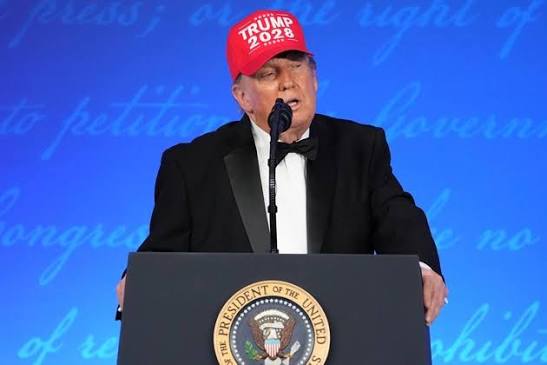
The Trump White House Correspondents’ Dinner remains one of the most discussed topics in modern American politics. During Donald Trump’s presidency, the long-standing relationship between the White House and the media changed dramatically, and nowhere was that shift more visible than in the annual White House Correspondents’ Association (WHCA) Dinner. Traditionally known as a night of humor, bipartisan goodwill, and press freedom, the event became a symbol of growing tensions between the Trump administration and the news media.
This article explores the history of the White House Correspondents’ Dinner, Trump’s relationship with the event, why he repeatedly skipped it, the political significance of his decision, and how the tradition has evolved in recent years.
What Is the White House Correspondents’ Dinner?
The White House Correspondents’ Dinner is an annual gala organized by the White House Correspondents’ Association (WHCA), a group representing journalists who regularly cover the president and the White House.
Established in 1921, the dinner serves several important purposes:
- Celebrating the role of a free press.
- Awarding journalism scholarships.
- Honoring outstanding reporting.
- Bringing together journalists, politicians, celebrities, and business leaders.
- Providing a rare opportunity for presidents to joke about themselves through comedy.
Most modern presidents, regardless of political party, have attended the event and delivered humorous speeches.
Trump White House Correspondents’ Dinner: Why Did Trump Skip It?
The Trump White House Correspondents’ Dinner became historic because Donald Trump chose not to attend the dinner throughout his first presidency from 2017 to 2020.
Instead of appearing before journalists and comedians, Trump often scheduled campaign rallies or public appearances on the same evening.
His decision reflected his broader criticism of many major news organizations, which he frequently accused of unfair coverage and political bias.
Trump repeatedly argued that many mainstream media outlets spread misinformation and treated his administration differently than previous presidents.
Trump’s Relationship With the Media
Donald Trump’s presidency marked one of the most confrontational relationships between a U.S. president and the national press in decades.
Throughout his administration, Trump frequently criticized media organizations during rallies, interviews, and on social media.
Some of the major issues included:
- Claims of biased reporting.
- Frequent disputes with White House reporters.
- Press credential controversies.
- Public criticism of television networks and newspapers.
- Ongoing debates over freedom of the press.
Supporters viewed Trump’s approach as holding media organizations accountable, while critics argued that his rhetoric undermined trust in journalism.
The 2017 White House Correspondents’ Dinner
The first Trump White House Correspondents’ Dinner during his presidency attracted enormous public attention.
Rather than attending the event in Washington, D.C., Trump held a political rally in Pennsylvania.
Meanwhile, comedian Hasan Minhaj served as the featured entertainer at the dinner.
His performance included jokes about both the media and President Trump, even though Trump was not present.
The absence of the sitting president created one of the most unusual White House Correspondents’ Dinners in modern history.
Why Presidents Usually Attend
Historically, attending the White House Correspondents’ Dinner has been considered an important presidential tradition.
The event allows presidents to:
- Show respect for press freedom.
- Display a sense of humor.
- Ease tensions with journalists.
- Connect with political opponents in an informal setting.
Presidents from both Democratic and Republican administrations have typically participated, even after difficult periods with the media.
Trump’s decision to stay away broke decades of precedent.
The Political Impact of Trump’s Absence
The repeated absence of Donald Trump changed public perceptions of the event.
Some political observers argued that skipping the dinner reinforced divisions between the White House and national media organizations.
Others believed Trump successfully appealed to supporters who distrusted major news outlets.
The issue became larger than simply attending a dinner—it reflected competing views about journalism, accountability, and political communication.
Criticism From Supporters and Opponents
The Trump White House Correspondents’ Dinner debate generated strong opinions across the political spectrum.
Critics argued:
- Presidents should participate regardless of disagreements.
- The dinner symbolizes democratic traditions.
- Boycotting the event weakened relations with the press.
Supporters argued:
- Attendance would legitimize organizations they believed treated Trump unfairly.
- Presidents are not required to attend social events.
- Holding campaign rallies better connected Trump with voters.
The differing perspectives highlighted broader political polarization in the United States.
How the Dinner Changed During the Trump Years
The White House Correspondents’ Dinner itself also evolved during Trump’s presidency.
Organizers shifted the tone of several events to emphasize journalism rather than celebrity appearances.
Some years featured historians instead of comedians as keynote speakers.
This reflected concerns that political comedy had become increasingly divisive in the nation’s polarized political climate.
The scholarship program and awards for outstanding journalism remained central parts of the evening.
Trump’s Continued Influence After Leaving Office
Even after leaving office, discussions surrounding the Trump White House Correspondents’ Dinner continue to shape political conversations.
Whenever the annual dinner takes place, commentators often compare current presidents’ participation with Trump’s decision to boycott the event.
The debate also reflects broader questions about:
- Presidential transparency.
- Media accountability.
- Political communication.
- Public trust in institutions.
- The future relationship between elected leaders and journalists.
Trump’s presidency permanently altered expectations surrounding the annual dinner.
Public Opinion on the White House Correspondents’ Dinner
Americans remain divided over the value of the event.
Supporters believe it promotes democratic norms and celebrates the importance of an independent press.
Critics argue the gathering can appear too friendly between politicians and journalists, potentially creating perceptions of favoritism.
These differing viewpoints have fueled ongoing debates about whether the dinner should continue in its traditional format.
The Future of the White House Correspondents’ Dinner
The future of the White House Correspondents’ Dinner will likely depend on the relationship between future presidents and the national media.
While the event remains a respected Washington tradition, changing political dynamics continue to influence its role.
Future administrations may choose different approaches, but the dinner is expected to remain an important platform for recognizing journalistic excellence and discussing the role of a free press in American democracy.
Why the Trump White House Correspondents’ Dinner Still Matters
The Trump White House Correspondents’ Dinner represents more than a single annual event. It symbolizes one of the defining political and media stories of the Trump era.
By choosing not to attend throughout his presidency, Donald Trump reshaped public conversations about presidential traditions, media relations, and political communication. Whether viewed as a principled protest or a break from democratic custom, his decision continues to influence discussions about the relationship between the White House and the press.
As debates over media credibility and political accountability continue, the legacy of the Trump White House Correspondents’ Dinner remains a significant chapter in modern U.S. political history.
Frequently Asked Questions (FAQs)
Did Donald Trump ever attend the White House Correspondents’ Dinner as president?
No. Donald Trump did not attend the White House Correspondents’ Dinner during any year of his presidency from 2017 through 2020.
Why did Trump skip the White House Correspondents’ Dinner?
Trump frequently criticized mainstream media organizations and chose to hold campaign-style rallies or other events instead of attending the annual dinner.
What is the purpose of the White House Correspondents’ Dinner?
The dinner celebrates press freedom, raises scholarship funds for journalism students, honors outstanding reporting, and provides an opportunity for presidents and journalists to interact in an informal setting.
Is the White House Correspondents’ Dinner mandatory for presidents?
No. Attendance is entirely voluntary, although most modern presidents have traditionally participated.
Why is the Trump White House Correspondents’ Dinner still discussed?
It marked a significant break from presidential tradition and highlighted the tense relationship between the Trump administration and major U.S. media organizations, making it a lasting topic in American political history.