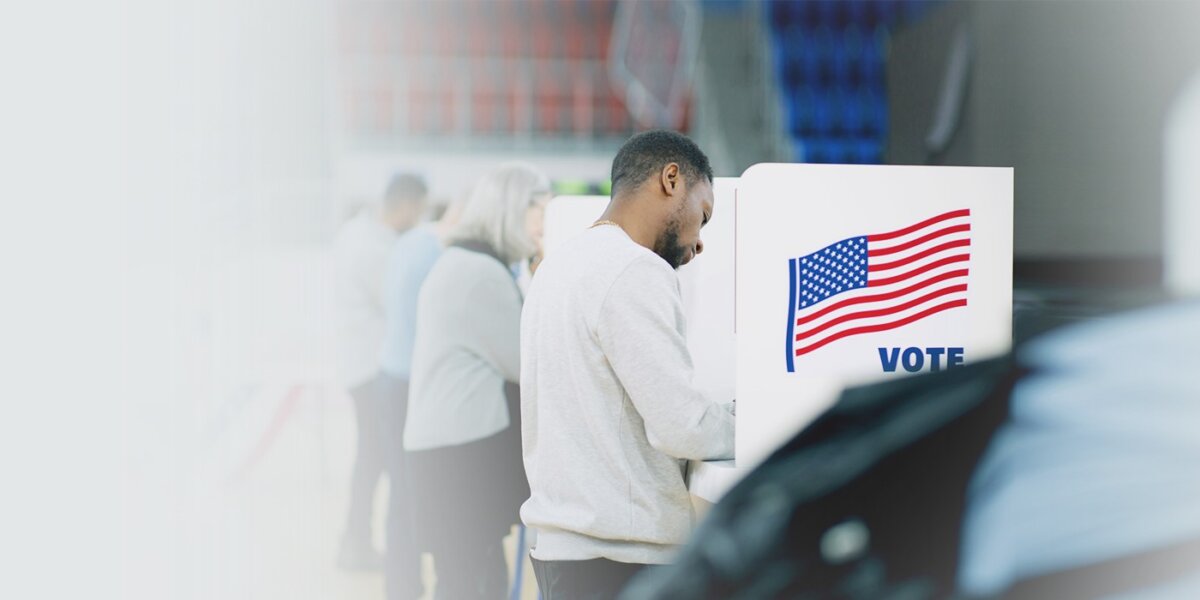
The 2026 midterm election security landscape has become one of the most closely watched issues in American politics. As voters prepare to elect members of Congress, governors, and state officials, election administrators are working to protect voting systems from cyberattacks, misinformation campaigns, foreign interference, and physical threats.
Unlike previous election cycles, the 2026 midterms are unfolding amid renewed debates over federal election oversight, cybersecurity funding, and the role of government agencies in protecting election infrastructure. At the same time, election experts continue to emphasize that secure elections rely on cooperation between federal, state, and local authorities.
Why Election Security Matters in 2026
Election security is essential for maintaining public confidence in democratic institutions. While the United States has decentralized elections—meaning states and counties administer voting—many security efforts depend on coordination between multiple agencies.
The 2026 midterm elections include races for:
- All 435 seats in the U.S. House of Representatives
- Approximately one-third of the U.S. Senate
- Numerous gubernatorial contests
- State legislatures and local offices
Because these elections shape national policy for the remainder of the presidential term, they have become attractive targets for cybercriminals, foreign intelligence services, misinformation campaigns, and politically motivated actors.
Major Election Security Challenges
1. Cybersecurity Threats
Election systems today rely on numerous digital tools, including:
- Voter registration databases
- Election management software
- Pollbook systems
- Vote reporting websites
- County networks
Cybersecurity experts warn that attackers may attempt to disrupt these systems rather than alter vote counts directly.
Government agencies continue to encourage local officials to strengthen:
- Multi-factor authentication
- Network monitoring
- Incident response planning
- Software updates
- Penetration testing
Experts note that disrupting election operations can undermine public confidence even if vote totals remain accurate.
Foreign Interference Concerns
Foreign governments have attempted to influence U.S. elections through:
- Online misinformation
- Social media manipulation
- Cyber espionage
- Propaganda campaigns
Security officials continue to warn that adversaries may again attempt to influence public opinion during the 2026 election cycle through coordinated information operations.
Misinformation and Artificial Intelligence
Artificial intelligence has introduced new election security concerns.
Potential risks include:
- AI-generated fake videos
- Deepfake political speeches
- Fabricated campaign advertisements
- Automated misinformation campaigns
- Fake election announcements
Election officials have expanded voter education efforts to help citizens identify verified election information from official state election websites.
Several surveys indicate that misinformation remains one of the biggest concerns among local election administrators.
Physical Security of Election Workers
Election security extends beyond technology.
Many election workers have reported:
- Harassment
- Threats
- Intimidation
- Security concerns at polling locations
Recent surveys show many local officials remain concerned about workplace safety and the recruitment of future election workers because of ongoing political pressure.
Federal and State Responsibilities
The U.S. Constitution gives states primary responsibility for administering elections.
Federal agencies typically provide support through:
- Cybersecurity guidance
- Intelligence sharing
- Threat assessments
- Infrastructure protection
- Training resources
One of the primary agencies involved has been the Cybersecurity and Infrastructure Security Agency (CISA), although recent debates have focused on the scope of its election security role and available resources.
Debate Over Federal Election Security Support
One of the biggest political issues surrounding the 2026 midterms involves changes to federal election security assistance.
Some lawmakers and election officials argue that reductions in cybersecurity support could leave state and local election offices with fewer resources for:
- Threat intelligence
- Cyber incident response
- Election security training
- Infrastructure assessments
Others argue states should maintain primary responsibility for election administration with limited federal involvement.
This debate has become a central topic ahead of the November elections.
Voting Machine Security
Modern voting systems include multiple layers of protection, including:
- Paper ballots
- Post-election audits
- Logic and accuracy testing
- Chain-of-custody procedures
- Physical security measures
Election security researchers continue developing improved testing methods designed to detect software errors or equipment misconfiguration before Election Day.
Legal Disputes Before the Midterms
Several legal disputes have emerged regarding election administration in 2026.
Recent court rulings have addressed issues including:
- Voter eligibility verification systems
- Federal access to voter databases
- Privacy protections
- Election administration authority
These cases highlight the continuing legal debate over balancing election integrity with voter access and privacy protections.
Voting Machine Vulnerability Reports
Reports have indicated that a federal assessment examining vulnerabilities in certain voting systems has not yet been publicly released.
According to reporting, officials debated whether releasing technical findings close to the election could unintentionally reduce public confidence, while others argued transparency would improve long-term security.
Best Practices for Election Security
Election security experts generally recommend several safeguards:
- Paper ballot backups
- Risk-limiting audits
- Routine cybersecurity testing
- Strong password management
- Multi-factor authentication
- Independent security assessments
- Continuous monitoring
- Public transparency
These practices help reduce both cyber risks and operational disruptions.
How Voters Can Help Protect Election Integrity
Voters also play an important role by:
- Checking voter registration early
- Following official election announcements
- Avoiding misinformation on social media
- Reporting suspicious election information
- Verifying polling locations through official sources
Experts encourage citizens to rely on state and local election officials rather than unverified online posts.
Looking Ahead
As Election Day approaches, election security will remain a major focus for policymakers, cybersecurity professionals, and local election administrators. While debates continue over funding, federal involvement, and election policy, experts broadly agree that resilient systems, transparent procedures, and informed voters are key to maintaining trust in the electoral process.
The 2026 midterm elections will serve as another important test of the United States’ ability to protect democratic institutions from evolving cyber threats, misinformation campaigns, and operational challenges. Continued investment in cybersecurity, election infrastructure, and public education will likely remain central to strengthening election integrity in future election cycles.
By combining secure technology, bipartisan oversight, legal safeguards, and voter awareness, election officials aim to ensure that every eligible ballot is counted accurately and that public confidence in the democratic process remains strong.