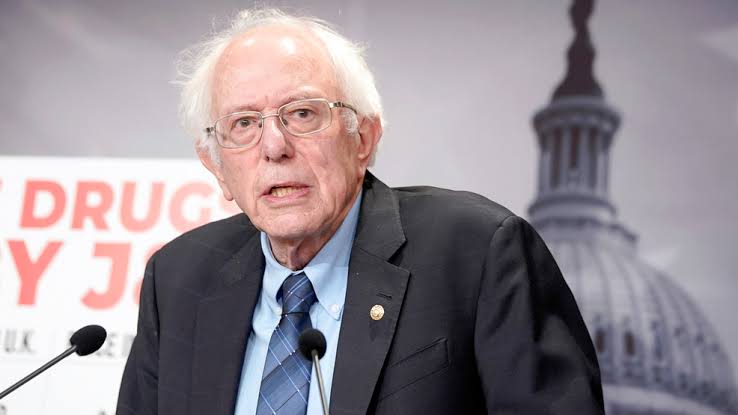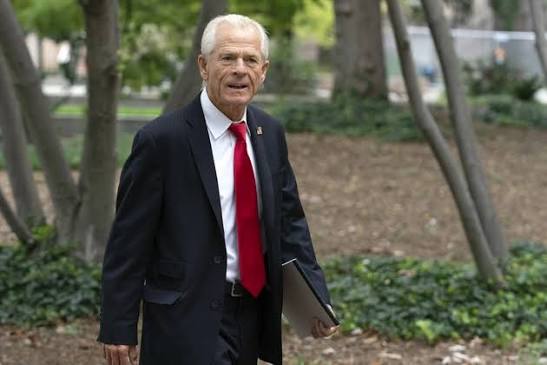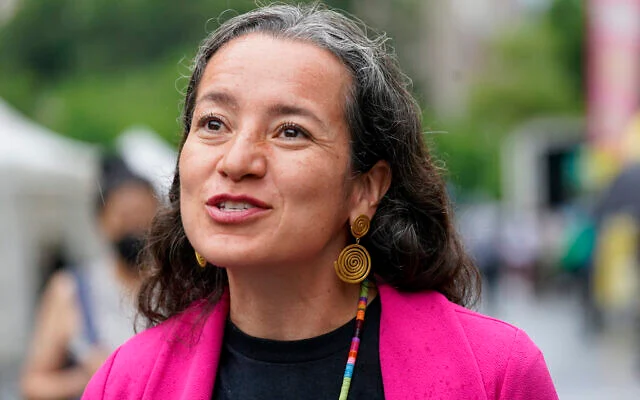
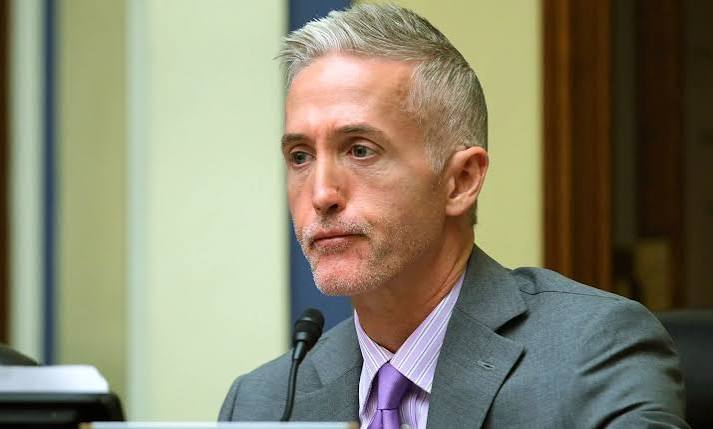
The race to replace longtime Republican Sen. Lindsey Graham has quickly become one of the most closely watched political contests in the country. A new South Carolina poll shows there is currently no clear favorite in the Republican primary, leaving the field wide open as several prominent GOP figures consider entering the race. The findings suggest that while the Republican Party remains dominant in South Carolina, voters have yet to unite behind a single candidate.
With the special election expected to draw national attention, the contest could shape the future direction of the Republican Party in one of its strongest conservative states.
Poll Shows a Wide-Open Republican Primary
According to a newly released survey, no Republican candidate has established a commanding lead among likely GOP primary voters. Instead, support is spread across multiple potential contenders, while a significant share of respondents remain undecided.
Political analysts say the numbers reflect an unusual situation. Lindsey Graham served South Carolina in the U.S. Senate for more than two decades, building strong relationships across the Republican establishment. His departure has created a political vacuum that several ambitious Republicans hope to fill.
The poll also highlights one important reality: name recognition alone may not determine the eventual nominee. As campaigns begin spending money on advertising and voter outreach, opinions could shift rapidly.
Why This Race Matters Nationally
South Carolina has long been considered a Republican stronghold, making the GOP primary effectively the most important contest.
Whoever wins the Republican nomination will likely enter the general election as the favorite, although Democrats hope changing political dynamics could make the race more competitive than expected.
The Senate seat is especially important because Republicans continue to focus on maintaining their majority in Washington. Every seat could prove critical as Congress debates issues including:
- Border security
- Federal spending
- Tax policy
- National defense
- Judicial appointments
- Energy production
For that reason, Republican leaders and conservative organizations are expected to invest heavily in the South Carolina contest.
Several Republicans Could Enter the Race
Although no candidate currently dominates polling, several well-known South Carolina Republicans have been mentioned as possible contenders.
Potential candidates include members of Congress, statewide elected officials, and other conservative leaders with established political organizations. Following Lindsey Graham’s passing, names frequently discussed include Rep. Nancy Mace, Rep. Ralph Norman, Rep. Russell Fry, and Lt. Gov. Pamela Evette, though final candidate lists remain subject to filing deadlines.
Each potential candidate brings different strengths.
Some already possess:
- Strong fundraising networks
- High statewide name recognition
- Support from conservative activists
- Experience winning competitive elections
Others could emerge as outsider candidates appealing to voters seeking a fresh voice.
Undecided Voters Could Decide the Outcome
One of the most notable findings from the poll is the large number of undecided Republican voters.
Political experts say this is common when a long-serving incumbent leaves office. Many voters are still learning about possible candidates and have not committed to supporting anyone.
As campaign events increase across South Carolina, candidates will likely compete to distinguish themselves on issues such as:
- Immigration enforcement
- Inflation
- Federal spending
- Crime
- Military funding
- Relations with President Donald Trump
These topics remain highly influential among Republican primary voters.
Trump’s Endorsement Could Be a Major Factor
President Donald Trump continues to hold significant influence among Republican voters nationwide, particularly in South Carolina.
Trump recently indicated that he already has someone in mind to replace Lindsey Graham but has not publicly identified that individual.
Political observers believe a Trump endorsement could dramatically reshape the race.
Historically, Trump’s endorsements have helped candidates consolidate conservative support, especially in crowded Republican primaries.
However, analysts caution that South Carolina voters also value candidates with strong local connections and proven statewide leadership.
Fundraising Will Become Increasingly Important
Money is expected to play a major role over the coming weeks.
Candidates with existing campaign organizations or leftover campaign funds may enjoy an early advantage as the compressed election schedule limits the time available to build statewide operations.
Successful campaigns will need resources for:
- Television advertising
- Digital marketing
- Direct mail
- Volunteer recruitment
- Voter outreach
- Get-out-the-vote efforts
Outside political groups are also expected to spend millions supporting their preferred candidates.
Democrats Hope to Capitalize
Although Republicans remain favored statewide, Democrats believe they have an opportunity to make the race more competitive than usual.
Democratic candidate Dr. Annie Andrews has continued campaigning and has emphasized bipartisan cooperation while criticizing Republican policies on healthcare and other issues.
Whether Democrats can significantly narrow the gap remains uncertain, but national organizations are expected to monitor fundraising and polling closely.
Special Election Timeline
South Carolina election officials have established an accelerated schedule for filling the Senate seat.
Candidate filing is expected to begin shortly, followed by a Republican special primary. If no candidate receives a majority of the vote, a runoff election could determine the nominee before the general election. (AOL)
The condensed calendar means campaigns will have limited time to introduce themselves to voters.
Key Issues Likely to Shape the Campaign
Several policy topics are expected to dominate debates throughout the race.
Immigration
Border security remains one of the highest priorities for Republican voters in South Carolina.
Economy
Candidates are expected to focus heavily on inflation, taxes, energy costs, and job creation.
National Security
Military readiness and support for veterans remain especially important in South Carolina, home to multiple military installations.
Judicial Appointments
Conservative judicial nominations continue to motivate many Republican voters.
Government Spending
Many candidates are expected to advocate reducing federal spending while limiting government expansion.
What Political Analysts Are Watching
Political strategists say several indicators will reveal how the race develops.
They include:
- New polling trends
- Fundraising totals
- Candidate endorsements
- Debate performances
- Trump’s possible endorsement
- Grassroots volunteer activity
Because no clear frontrunner has emerged, even small shifts in voter opinion could quickly change the competitive landscape.
Final Thoughts
The latest polling confirms that the Republican race to succeed Lindsey Graham remains remarkably fluid. With no candidate establishing a decisive advantage, South Carolina Republicans appear willing to evaluate multiple contenders before making their choice. (courthousenews.com)
As the filing period begins and campaigns intensify, fundraising, endorsements, policy positions, and voter outreach will likely determine who emerges as the Republican nominee. Given South Carolina’s strong Republican voting history, that nominee will enter the general election with a significant advantage, making this one of the most consequential Senate races of the 2026 election cycle.
Interested in America’s most iconic cultural landmark? Read our complete guide to the John F. Kennedy Center for the Performing Arts: History, Events, Tours, and Cultural Significance to explore its fascinating history, world-class performances, architectural legacy, and its enduring role in American arts and culture.