
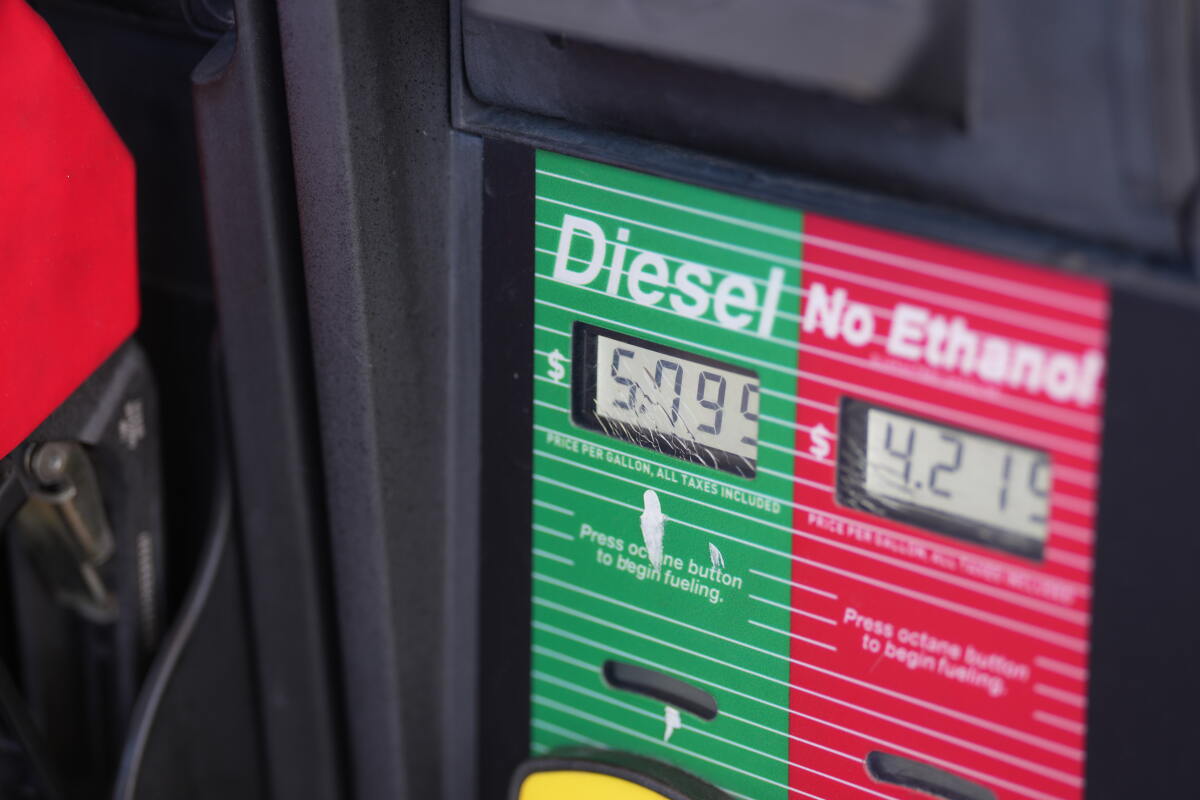
US President Donald Trump has announced a major shift in energy policy by lifting sanctions on Russian diesel exports in an effort to ease rising fuel prices. The move, linked to a proposed energy infrastructure ceasefire between Russia and Ukraine, aims to increase global diesel supplies and reduce pressure on American truckers, farmers and businesses.
The Trump-Russia diesel deal comes at a politically sensitive time, with US midterm elections scheduled for November 3, 2026. High diesel prices have become an economic concern, putting pressure on transportation costs, agricultural operations and supply chains across the country.
However, questions remain about how quickly Russia can deliver the promised fuel, whether damaged refineries can restore production and how the policy could affect the ongoing war in Ukraine.
What Is the Trump-Russia Diesel Deal?
Under the announcement, Trump said Russia would immediately supply more than 300,000 metric tons of diesel to US and global markets. He also outlined plans for an additional 500,000 tons in November, followed by another 1 million tons afterward.
The US decision to lift sanctions on Russian diesel exports is intended to make more fuel available in international markets and ease the tight supply conditions that have pushed prices higher.
Russia has significant oil-refining capacity, but Ukrainian drone attacks have damaged several facilities since 2024. These disruptions have affected Moscow’s ability to maintain exports while meeting domestic fuel demand.
The agreement also comes alongside Trump’s call for a ceasefire targeting energy infrastructure. The proposal is intended to reduce attacks on oil facilities and potentially help stabilize energy supplies.
How Much Could Russian Diesel Reduce US Fuel Prices?
The potential impact of the deal depends on the volume of fuel Russia can deliver and how quickly those supplies reach buyers.
According to US Energy Information Administration data cited by Reuters, the US transportation sector consumes approximately 2.94 million barrels of diesel per day. The initial Russian shipment of 300,000 metric tons, equivalent to around 2.25 million barrels, would represent less than one day’s transportation demand.
The additional supplies announced by Trump could provide more relief, but the quantities remain relatively small compared with overall US consumption.
US diesel prices fell 0.5% on Monday following Trump’s announcements, according to Reuters. However, a sustained decline will depend on actual deliveries, global demand, refining capacity and transportation costs.
For American truckers and farmers, even a modest reduction in diesel prices could help reduce operating expenses. Nevertheless, the announcement alone does not guarantee a substantial or lasting drop in prices at the pump.
Russia Faces Challenges in Increasing Diesel Exports
Russia previously had the capacity to export approximately 100,000 metric tons of diesel per day before Ukrainian drone attacks began disrupting refinery operations.
Since then, damage to oil-processing facilities has complicated production and export plans. Russia introduced restrictions on diesel exports in July to prioritize domestic demand and extended restrictions affecting countries without bilateral agreements through October 31, 2026.
Moscow has continued supplying selected partner countries, particularly in Central Asia.
Russian officials partially lifted the diesel export ban on Saturday, following Trump’s announcement. However, the country still faces several practical challenges that could limit deliveries.
These include the condition of damaged refineries, the availability of suitable tankers and continuing restrictions affecting shipping and energy trade.
Industry sources cited by Reuters said Russia could meet the initial request for 300,000 tons if Ukraine halted attacks on Russian refineries. Restarting a major refinery damaged by drone strikes could also help Russia produce the required volume this month.
Until these obstacles are resolved, the timing and scale of Russian diesel exports remain uncertain.
How the Diesel Deal Could Affect Russia’s Economy
The agreement could provide Moscow with additional revenue at a time when attacks on its energy infrastructure have created financial pressure.
Russian President Vladimir Putin has said Ukrainian strikes on oil refineries have cost the Russian economy around 1% of gross domestic product. Reuters calculations put that figure at approximately $26.6 billion.
Exports of 300,000 metric tons of diesel could generate roughly $400 million in revenue, according to Reuters. However, only a portion of that money would flow into Russia’s state budget because the country’s tax system relies heavily on oil production rather than taxes on fuel exports.
Russia operates around 30 large oil refineries, giving it substantial production capacity when facilities are functioning normally.
Additional exports could therefore help Russian energy companies generate revenue and improve market access. At the same time, the broader economic benefits will depend on production levels, export prices and the country’s ability to transport fuel despite logistical restrictions.
Ukraine Criticizes Trump’s Russia Energy Policy
The decision has triggered criticism from Ukraine, which fears that easing restrictions could provide Moscow with additional financial resources while the war continues.
Ukrainian President Volodymyr Zelenskiy warned that the diesel supply agreement could embolden Russia to continue its attacks on Ukraine, potentially costing more lives.
The announcement has also drawn criticism from US lawmakers. Republican Representative Don Bacon argued that Washington should strengthen sanctions against Russia rather than relax restrictions that Congress had recently approved.
European officials have also signaled continued support for Ukraine. British Prime Minister Andy Burnham said his country would strengthen sanctions on Russia, while German Foreign Minister Johann Wadephul reiterated Berlin’s support for Zelenskiy and called for greater pressure on Moscow to resume peace talks.
The Kremlin said discussions over the proposed ceasefire were continuing but did not clarify whether the arrangement would apply exclusively to attacks on oil refineries.
These disagreements highlight the tension between efforts to lower energy prices and the broader objective of maintaining economic pressure on Russia.
China and the Iran War Add Pressure to Diesel Markets
The Trump-Russia diesel deal is unfolding amid wider disruptions to global refined-fuel supplies.
China is expected to resume refined-fuel exports following a brief suspension during its Golden Week holiday. However, its approved October exports of diesel, gasoline and jet fuel total around 3.7 million metric tons, below both the more than 4 million tons approved for September and the level recorded a year earlier.
Meanwhile, the Iran war has restricted supplies from Gulf producers, adding pressure to an already tight diesel market.
These developments mean Russian exports are only one part of a much larger global supply picture. Even if Moscow increases deliveries, disruptions elsewhere could limit the effect on international fuel prices.
The availability of alternative supplies, refinery output, shipping capacity and regional demand will all influence how the market responds.
Could Strategic Fuel Reserves Help Lower Prices?
International efforts to stabilize energy markets are also underway.
Group of Seven nations recently agreed to release fuel from strategic reserves under coordination by the International Energy Agency (IEA). The organization has encouraged participating countries to make unreleased volumes available to the market.
The IEA previously coordinated an emergency release of more than 400 million barrels of crude oil and petroleum products in March, according to Reuters.
Strategic reserve releases can provide temporary relief during supply disruptions. Combined with additional Russian diesel exports and renewed Chinese fuel shipments, they could help improve market availability.
However, reserve releases are generally a short-term response. A lasting reduction in diesel prices would require more reliable production, improved refining capacity and fewer disruptions to international energy trade.
What the Trump-Russia Diesel Deal Means for US Consumers
Diesel prices affect far more than the cost of filling a truck. The fuel powers freight transportation, agricultural machinery and numerous industrial operations.
When diesel becomes more expensive, businesses may face higher costs for moving goods and producing food. Some of those expenses can eventually be passed on to consumers through higher prices.
Trump’s decision to lift sanctions on Russian diesel exports is therefore aimed at an important part of the US economy. More fuel entering the market could ease supply pressure and offer relief to businesses that depend on diesel.
Still, the initial shipment represents only a small share of US demand. The impact on household expenses will depend on whether larger quantities arrive and whether global supply conditions improve.
The November 3 midterm elections add political urgency to the issue, as fuel costs remain an economic concern for voters.
Conclusion
The Trump-Russia diesel deal represents a significant change in US energy policy, linking efforts to reduce domestic fuel prices with negotiations involving Moscow and Kyiv.
Russia’s promised diesel shipments could provide additional supplies to global markets, but refinery damage, shipping constraints and geopolitical tensions may limit how quickly the fuel becomes available.
The policy has also intensified criticism from Ukraine and some Western officials, who argue that easing sanctions could benefit Russia while its war against Ukraine continues.
For now, the deal offers the possibility of short-term relief rather than a guaranteed solution to high diesel prices. Its ultimate impact will depend on actual export volumes, developments in the proposed energy ceasefire and the broader balance between global fuel supply and demand.