
A federal judge has temporarily blocked a new set of immigration restrictions introduced during the Trump administration, creating another legal setback for the government’s efforts to tighten visa policies. The ruling has drawn national attention as immigration advocates, legal experts, and administration officials debate the balance between executive authority and individual rights.
The decision in the case involving judge halts trump visa restrictions marks another chapter in the ongoing legal battles surrounding immigration policies. Courts across the United States have repeatedly reviewed executive actions related to travel bans, asylum rules, work permits, and visa eligibility requirements.
The latest ruling could affect how the administration implements future immigration measures and may influence broader discussions about presidential power over immigration enforcement.
Federal Court Blocks Trump Administration Visa Rules
The federal court’s decision prevents the government from immediately enforcing certain visa restrictions that opponents argued placed unnecessary limits on immigrants and foreign nationals seeking entry into the United States.
The judge’s order came after legal challenges claimed that the restrictions exceeded executive authority and potentially violated existing immigration laws. Plaintiffs argued that the new rules could negatively impact families, workers, students, and businesses that rely on legal immigration pathways.
The administration defended the restrictions, stating that stronger immigration controls were necessary to protect national security, enforce immigration laws, and ensure that visa programs serve American interests.
However, the court found that the challengers raised significant legal questions that required further review before the restrictions could move forward.
Why the Visa Restrictions Faced Legal Challenges
Immigration policies introduced by presidential administrations often face lawsuits because they affect millions of people and involve complex constitutional and statutory issues.
Critics of the Trump administration’s visa restrictions argued that the measures were too broad and could unfairly prevent qualified individuals from entering the country. They also claimed that the government did not provide sufficient justification for imposing the new limits.
Immigration advocates warned that restrictions could impact:
- International students attending U.S. universities
- Skilled workers filling important jobs
- Families separated by visa delays
- Companies relying on foreign talent
- Individuals seeking lawful immigration opportunities
Supporters of the restrictions, however, argued that the government has the authority to regulate immigration and establish stricter standards for entry into the United States.
Trump Administration’s Immigration Approach
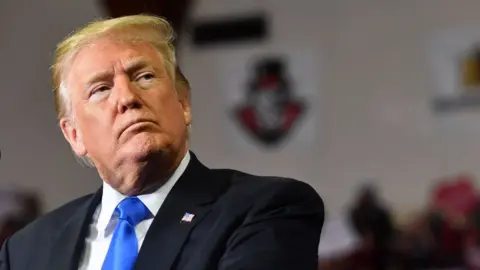
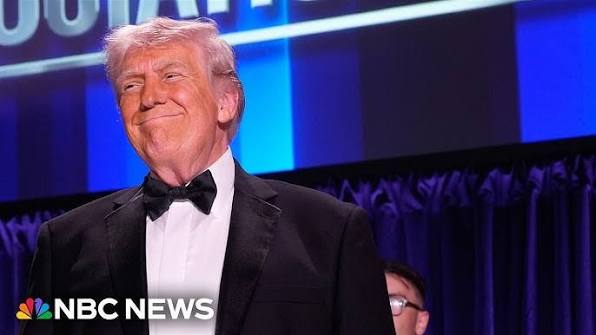
Immigration has been one of the central policy issues associated with Donald Trump’s political career. Throughout his presidency and later political campaigns, Trump has emphasized stronger border security, stricter enforcement, and reforms to the visa system.
The administration has argued that immigration policies should prioritize national security and American workers. Officials have frequently pointed to concerns involving fraud prevention, illegal immigration, and the economic impact of certain visa programs.
The latest court ruling represents a challenge to that broader immigration agenda. While the decision does not permanently eliminate the restrictions, it prevents their immediate implementation while the legal process continues.
Legal Experts Examine Presidential Immigration Powers
The case highlights a long-running debate over the extent of presidential authority in immigration matters.
U.S. presidents traditionally have significant power over immigration enforcement and national security decisions. However, courts have also ruled that executive actions must comply with federal laws and constitutional protections.
Legal experts say the outcome of the case could depend on whether the administration followed proper procedures and whether the restrictions were consistent with immigration statutes passed by Congress.
If the case moves through higher courts, including potentially the Supreme Court, it could have broader implications for future presidential immigration policies.
Impact on Immigrants and Visa Applicants
For thousands of foreign nationals hoping to obtain U.S. visas, the ruling provides temporary relief from additional restrictions.
Visa applicants often face lengthy processing times, background checks, and complex eligibility requirements. New restrictions can create additional uncertainty for people planning to study, work, or reunite with family members in the United States.
Businesses and educational institutions have also been closely watching immigration policy changes. Universities depend on international students, while many industries rely on skilled foreign workers through legal visa programs.
A prolonged legal battle could create uncertainty for employers, applicants, and immigration professionals who need clear guidance on visa rules.
Administration Expected to Appeal Court Decision
The Trump administration may seek to challenge the ruling through the appeals process. Government officials have historically defended immigration restrictions by arguing that courts should give presidents broad discretion on national security matters.
An appeal could determine whether the temporary block remains in place or whether the restrictions can eventually take effect.
The legal fight is likely to continue as both sides present arguments about executive power, immigration enforcement, and individual rights.
Broader Political Reaction
The ruling has also become part of the larger political debate over immigration policy in America.
Democrats and immigration advocates have welcomed the decision, arguing that courts play an important role in reviewing government actions and protecting legal rights.
Republicans and administration supporters have criticized judicial intervention in immigration matters, saying elected officials should have more authority to implement border and visa policies.
The disagreement reflects the broader divide between those who favor stricter immigration controls and those who support expanded legal immigration opportunities.
What Happens Next in the Visa Restrictions Case?
The temporary ruling does not represent the final outcome of the dispute. The court will continue reviewing arguments from both sides before making a final decision.
Possible outcomes include:
- The restrictions being permanently blocked
- The government modifying the policy
- The restrictions being allowed after additional legal review
- Further appeals extending the case
Until a final decision is reached, visa applicants and organizations affected by the restrictions will continue monitoring developments closely.
Conclusion
The decision that judge halts trump visa restrictions represents a significant moment in the ongoing debate over immigration policy and presidential authority. The federal court’s ruling temporarily stops the administration’s new visa limits while legal challenges continue.
The case highlights the continuing tension between government efforts to strengthen immigration controls and legal arguments protecting access to established immigration pathways.
As the lawsuit moves forward, the outcome could shape not only current visa policies but also how future administrations approach immigration decisions in the United States.