Donald Trump 2026 Midterm Polling: A Look at Voter Sentiment, Political Challenges and Election Outlook
The Donald Trump 2026 midterm polling landscape is becoming one of the most closely watched indicators of America’s political direction. As the country moves toward the 2026 midterm elections, President Donald Trump’s approval ratings, voter opinions, and the performance of his administration are expected to play a major role in shaping races across the House, Senate, and state governments.
Midterm elections traditionally serve as a public evaluation of the sitting president. Historically, the president’s party often faces challenges during the midterms as voters use the election to express their views about national issues, economic conditions, and government performance. For Trump and Republicans, the 2026 elections will be an important test of whether his political influence remains strong.
Why Donald Trump 2026 Midterm Polling Matters
The Donald Trump 2026 midterm polling numbers provide insight into how voters are responding to his leadership and policy agenda. Polling trends can influence campaign strategies, fundraising efforts, candidate recruitment, and voter turnout operations.
Several key issues are expected to shape voter attitudes before the 2026 elections, including:
- The economy and inflation
- Immigration policies
- Healthcare costs
- Foreign policy decisions
- Government spending
- Congressional performance
- Social and cultural issues
Trump’s supporters argue that his policies represent a commitment to economic growth, border security, and an America-first agenda. Critics, however, continue to raise concerns about political divisions, government institutions, and the impact of his policies.
Trump’s Approval Rating and Republican Midterm Strategy
A president’s approval rating is one of the strongest indicators of midterm election performance. When approval ratings remain high, the president’s party generally has a better chance of maintaining congressional support. When approval ratings decline, opposition parties often gain momentum.
For Republicans, maintaining support among Trump’s core voters will be a major priority. The party is expected to focus on issues that energized Trump’s voter base, including immigration enforcement, tax policies, energy independence, and conservative judicial priorities.
Democrats, meanwhile, are likely to focus their campaigns on issues where they believe Republicans may face vulnerabilities, including healthcare, cost-of-living concerns, and concerns about government accountability.
Key Voter Groups That Could Decide the 2026 Elections
The outcome of the 2026 midterm elections may depend heavily on several important voter groups.
Independent Voters
Independent voters often play a decisive role in midterm elections. Their opinions can shift depending on economic conditions, political debates, and national events.
The direction of independent voters will be closely monitored in future Donald Trump 2026 midterm polling results because they can determine competitive races in swing states and congressional districts.
Young Voters
Young voters have increasingly become an important political force. Issues such as climate policy, student debt, economic opportunities, and social issues could influence how younger Americans vote.
Both parties are expected to compete heavily for younger voters through digital campaigns and grassroots outreach.
Working-Class Voters
Trump has built significant support among many working-class voters, particularly through messaging focused on jobs, manufacturing, trade, and economic security.
Maintaining support among this group could be crucial for Republican candidates in key states.
Senate and House Control in 2026
The 2026 midterm elections will determine control of Congress, making them a major political battleground.
Republicans will attempt to defend their congressional positions while expanding their influence in competitive districts. Democrats will aim to regain seats and create a stronger check on the Trump administration.
Senate races will receive particular attention because even a small number of competitive contests could determine control of the chamber. State-level political trends, candidate quality, and national approval ratings will all influence these races.
Economic Issues and Their Impact on Polling
The economy is often one of the most important factors influencing elections. Voters frequently judge administrations based on their personal financial situation, employment opportunities, and the cost of everyday goods.
If voters feel economic conditions are improving, Trump and Republicans could benefit politically. However, if concerns about inflation, housing costs, or wages continue, opposition candidates may gain support.
Economic confidence will likely remain a major factor in future Donald Trump 2026 midterm polling trends.
How Trump’s Political Influence Could Shape the Midterms
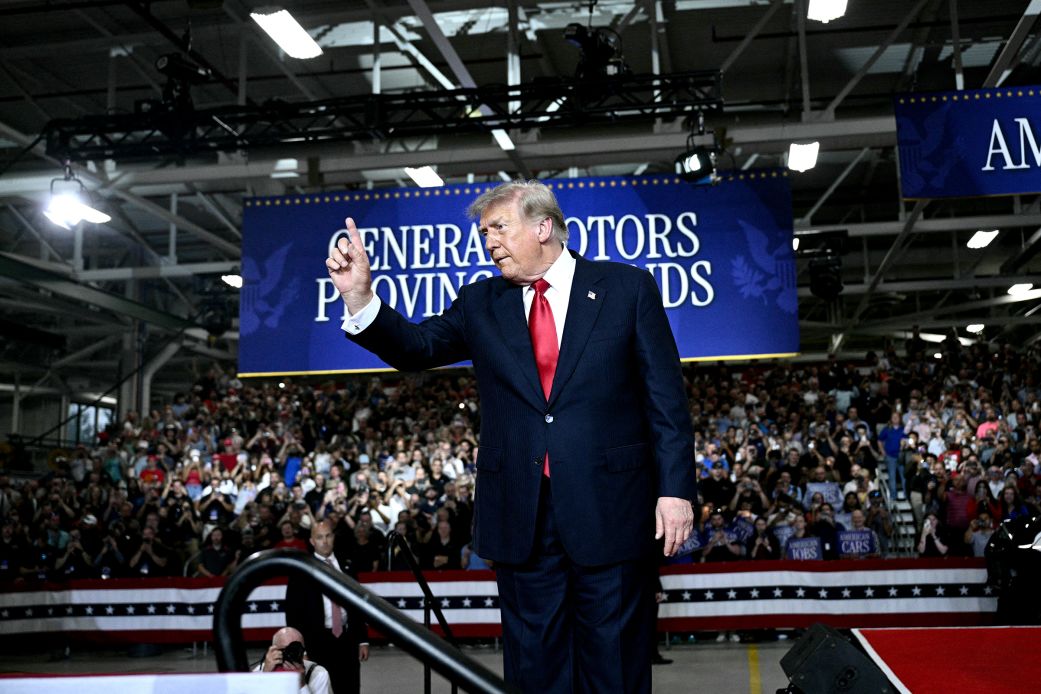
Donald Trump remains one of the most influential figures in American politics. His endorsements, campaign appearances, and messaging strategy could significantly affect Republican candidates nationwide.
Trump’s ability to motivate his supporters has been a defining feature of his political career. Candidates aligned with his movement may benefit from strong voter enthusiasm, while others may face challenges balancing traditional Republican priorities with Trump’s political brand.
The 2026 elections will show whether Trump’s influence continues to shape the Republican Party and whether his political movement remains dominant.
Democrats’ Challenges and Opportunities
Democrats are expected to make the 2026 midterms a referendum on Trump’s leadership. Their strategy will likely focus on attracting independent voters and highlighting issues where they believe Republicans are vulnerable.
The party’s success may depend on voter turnout, especially among younger voters, suburban voters, and communities that have historically supported Democratic candidates.
A strong Democratic performance could reshape the balance of power in Washington and create new challenges for the Trump administration.
Polling Limitations Before the 2026 Election
While polling provides valuable information, it does not always predict election outcomes perfectly. Voter opinions can change quickly due to economic developments, major political events, international crises, and campaign debates.
Early Donald Trump 2026 midterm polling should be viewed as a snapshot of voter sentiment rather than a final prediction of election results.
Campaign organization, fundraising, candidate quality, and turnout efforts will ultimately determine which party succeeds.
Conclusion: What Donald Trump 2026 Midterm Polling Could Reveal
The Donald Trump 2026 midterm polling picture will remain a key indicator of America’s political mood leading into the elections. Approval ratings, voter priorities, economic conditions, and political debates will all influence how Americans approach the ballot box.
For Republicans, the midterms represent an opportunity to strengthen Trump’s agenda and maintain congressional influence. For Democrats, the elections offer a chance to challenge the administration and regain political power.
As the 2026 midterms approach, polling trends will provide important clues about voter expectations, but the final outcome will depend on campaigns, issues, and turnout across the country.