
Introduction
As the United States prepares for the 2026 midterm elections, one of the biggest policy debates centers on Trump admin CISA midterm security and whether recent changes at the Cybersecurity and Infrastructure Security Agency (CISA) will strengthen or weaken election security.
The Trump administration argues that it is improving election integrity through stricter oversight, cybersecurity modernization, and federal initiatives designed to protect critical infrastructure. Critics, however, contend that staffing reductions, budget changes, and the scaling back of some election-security programs could leave states with fewer cybersecurity resources before a high-stakes national election.
This article explains what CISA does, how the Trump administration has changed its role, the arguments from both supporters and critics, and what these developments could mean for the 2026 midterm elections.
What Is CISA?
The Cybersecurity and Infrastructure Security Agency (CISA) is a component of the U.S. Department of Homeland Security responsible for protecting the nation’s critical infrastructure from cyber threats.
Its responsibilities include:
- Protecting federal government networks
- Monitoring cyber threats
- Sharing intelligence with state and local governments
- Supporting election officials
- Responding to ransomware attacks
- Coordinating with private technology companies
Following concerns about foreign election interference after the 2016 election, CISA became a major federal partner for state and local election officials.
Why Trump Admin CISA Midterm Security Is a Major Issue
Election security has become one of the defining political issues ahead of the 2026 midterms.
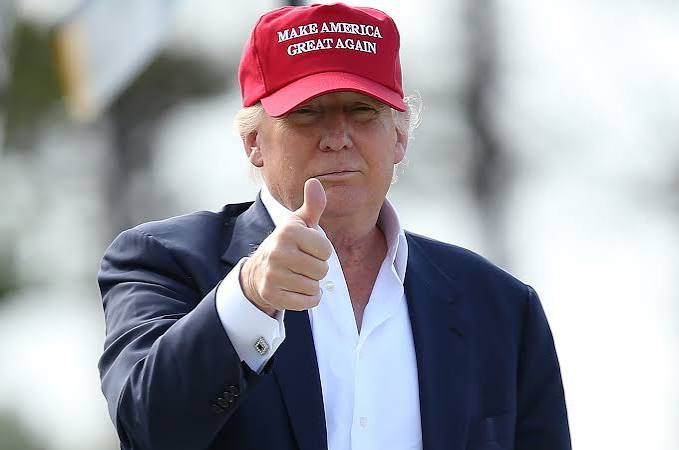
The Trump administration says protecting elections requires stronger voter safeguards, improved cybersecurity, and greater accountability across federal agencies. President Trump has repeatedly emphasized election integrity while also promoting broader cybersecurity initiatives.
However, questions have emerged regarding whether organizational changes at CISA could affect the agency’s ability to support election officials during the upcoming elections.
Changes Under the Trump Administration
Since returning to office, the Trump administration has implemented significant changes affecting CISA.
Reports indicate that:
- Thousands of federal workers involved in election-related activities have left government service.
- Nearly one-third of CISA’s workforce departed through layoffs, resignations, buyouts, or restructuring.
- Several election-focused programs have been reduced or reorganized.
- Budget proposals would reduce dedicated election-security funding.
Administration officials maintain that these changes are intended to streamline government operations and focus resources on broader cybersecurity priorities rather than duplicative programs.
CISA’s Traditional Election Security Role
For years, CISA has provided states with numerous voluntary services, including:
Cybersecurity assessments
Experts review election infrastructure for vulnerabilities.
Threat intelligence
CISA shares information regarding foreign cyber threats and hacking campaigns.
Incident response
Technical teams help investigate cyber incidents involving election systems.
Training
Election officials receive cybersecurity education and preparedness exercises.
Risk monitoring
CISA works alongside federal intelligence agencies to identify emerging cyber risks.
These services are generally voluntary, with election administration remaining the responsibility of state and local governments.
Supporters of the Administration’s Approach
Supporters argue that the Trump administration is modernizing election security rather than weakening it.
Key arguments include:
Greater focus on cybersecurity
The administration has promoted broader cybersecurity initiatives, including efforts to improve vulnerability coordination across government and critical infrastructure.
State-led elections
Supporters believe elections should remain primarily under state control, with the federal government serving only as a supporting partner.
Reduced bureaucracy
Advocates argue that streamlining federal agencies improves efficiency while reducing unnecessary spending.
Election integrity
Administration officials emphasize stronger voter verification measures and increased oversight intended to enhance public confidence in election outcomes.
Critics Raise Concerns
Opponents argue the reductions at CISA could have unintended consequences.
Their concerns include:
Fewer cybersecurity experts
Some lawmakers say fewer specialists may limit CISA’s ability to respond quickly to cyber threats.
Reduced intelligence sharing
Election officials reportedly worry they may receive less timely cybersecurity information.
Smaller support network
Several states have expressed concern about reduced access to technical assistance and training.
Foreign interference risks
Security experts continue to warn that Russia, China, Iran, and other actors remain interested in influencing democratic processes through cyber operations and disinformation campaigns.
Congressional Debate
Congress has become increasingly involved in discussions over CISA’s future.
Some lawmakers support restoring funding and staffing levels, arguing that election security requires sustained federal investment.
Others support the administration’s restructuring efforts, saying agencies should focus on essential cybersecurity missions while avoiding unnecessary federal expansion.
This debate is expected to continue throughout the 2026 election cycle.
The Midterm Election Security Challenge
Protecting elections today extends well beyond voting machines.
Security experts monitor threats involving:
- Phishing attacks
- Ransomware
- Election office networks
- Voter registration databases
- Disinformation campaigns
- Artificial intelligence-generated misinformation
- Supply-chain cyber vulnerabilities
Even when election systems remain secure, misinformation campaigns can undermine public trust, making cybersecurity and public communication equally important.
How States Prepare Without Heavy Federal Assistance
Many states have strengthened their own cybersecurity capabilities over recent election cycles.
State governments now commonly use:
- Multi-factor authentication
- Continuous network monitoring
- Independent cybersecurity audits
- Backup voter databases
- Paper ballot verification
- Incident response planning
Many election officials also collaborate with private cybersecurity companies and local technology experts.
The Political Impact
The issue of Trump admin CISA midterm security has become both a cybersecurity discussion and a political issue.
Republicans often emphasize:
- Election integrity
- Government efficiency
- State authority
- Voter confidence
Democrats generally focus on:
- Federal cybersecurity support
- Protection against foreign interference
- Maintaining election-security expertise
- Continued investment in CISA
Because election security affects public confidence, debates surrounding CISA are likely to remain prominent through Election Day.
Looking Ahead to the 2026 Midterms
The coming months will test whether the current election security framework can effectively protect U.S. elections amid evolving cyber threats.
Federal agencies, state election officials, intelligence organizations, and private cybersecurity firms will all play roles in safeguarding voting infrastructure. Meanwhile, policymakers are expected to continue debating the appropriate balance between federal involvement and state responsibility in election administration. (CBS News)
Conclusion
The debate over Trump admin CISA midterm security reflects broader questions about cybersecurity, election administration, and public trust. Supporters of the administration argue that restructuring and state-led oversight can improve efficiency and election integrity, while critics contend that reductions in staffing and election-focused programs could limit support for states facing sophisticated cyber threats.
As the 2026 midterm elections approach, the effectiveness of these policy changes will be closely watched by lawmakers, election officials, cybersecurity professionals, and voters. Regardless of political perspective, protecting election infrastructure remains a shared national priority, and the coming election will be a significant test of the United States’ cybersecurity resilience.