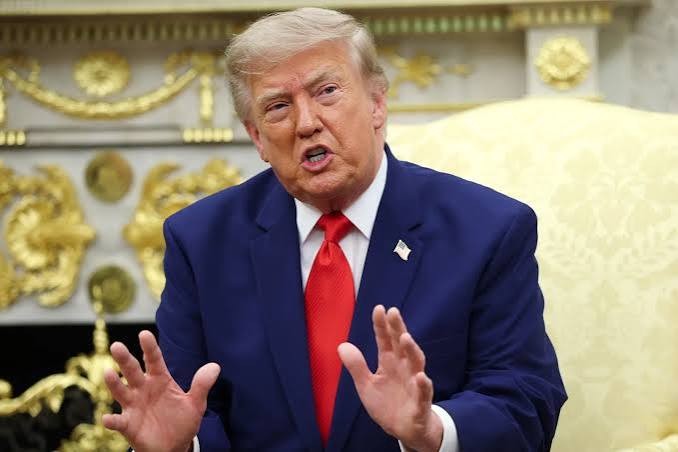
The Donald Trump state approval ratings have become an important indicator of public opinion as the United States moves deeper into the current political cycle. State-level approval numbers provide a clearer picture of how voters across different regions view the former and current president’s leadership, policies, and political agenda.
While national approval ratings often dominate headlines, state approval ratings reveal significant differences between Republican-leaning states, Democratic strongholds, and competitive battleground areas. These numbers can influence election strategies, campaign messaging, and the broader political environment.
Understanding Donald Trump State Approval Ratings
Approval ratings measure how many people approve or disapprove of a president’s performance. Unlike national polls, Donald Trump state approval ratings examine voter sentiment within individual states.
State-level polling is especially important because the U.S. political system is heavily influenced by local voting patterns. A president may have strong support nationally but face challenges in key states, or maintain lower national approval while remaining highly popular among voters in certain regions.
Factors that influence Trump’s approval ratings include:
- Economic conditions and inflation concerns
- Immigration policies
- Foreign policy decisions
- Healthcare and government spending debates
- Election-related issues
- Party loyalty and political identity
Trump’s Strongest Support States
Donald Trump continues to receive his highest approval ratings in many conservative states where Republican voters form a large part of the electorate.
States in the South, Mountain West, and parts of the Midwest have historically shown stronger support for Trump. In these areas, voters often support his positions on border security, energy policy, taxation, and conservative judicial appointments.
Trump’s strongest states typically share several characteristics:
- A large Republican voter base
- Support for conservative policies
- Positive views of Trump’s economic approach
- Strong loyalty among Republican voters
In these states, approval ratings often remain significantly higher compared with national averages.
Battleground States and Trump’s Political Challenge
The most important numbers in the Donald Trump state approval ratings discussion often come from battleground states.
States such as Pennsylvania, Michigan, Wisconsin, Georgia, Arizona, and Nevada play a major role in presidential elections because they can determine electoral outcomes.
In competitive states, voter opinions are usually more divided. Issues that can affect Trump’s approval include:
- Cost of living concerns
- Job creation and wages
- Public safety
- Immigration
- Government spending
- International conflicts
A small change in approval ratings in these states can have a major impact on future elections.
Economic Issues and Trump’s Approval Ratings
The economy remains one of the biggest factors shaping presidential approval ratings.
Many Trump supporters credit his administration with promoting business growth, reducing regulations, and focusing on American industries. They often point to economic policies as a reason for continued support.
However, critics argue that voters remain concerned about inflation, federal spending, and economic inequality. These concerns can lower approval ratings among independent voters and moderate groups.
Because economic issues affect nearly every household, changes in consumer confidence and financial conditions often influence state-level polling trends.
Immigration and Border Policy Impact
Immigration remains one of the most influential issues affecting Trump’s approval ratings.
Supporters argue that Trump’s strict border policies address concerns about illegal immigration and national security. Many conservative voters view immigration enforcement as one of his strongest policy areas.
Opponents argue that some immigration policies create humanitarian and legal challenges.
The issue continues to create a major divide between Republican and Democratic voters, contributing to significant differences in state approval ratings.
Party Loyalty and Trump’s Base
One of the defining features of Trump’s political support is the loyalty of his Republican base.
Many Republican voters continue to approve of Trump because they believe he represents their political priorities and challenges traditional Washington leadership.
Trump’s ability to maintain strong support among Republican voters has played a major role in his influence within the GOP.
However, independent voters remain a key factor. Their opinions often shift depending on current events, economic conditions, and political developments.
How State Approval Ratings Affect Elections
The importance of Donald Trump state approval ratings goes beyond measuring popularity. These numbers can influence:
- Campaign strategies
- Fundraising efforts
- Candidate messaging
- Voter turnout operations
- Media coverage
Political campaigns closely analyze state approval ratings to identify where they are strongest and where they need to improve.
A president with strong approval in competitive states may have an advantage during elections, while declining support can create challenges for candidates associated with that administration.
Polling Limitations and Public Opinion Trends
While approval ratings provide valuable insights, they are not perfect predictions of election results.
Polling can be affected by:
- Sample size
- Survey methods
- Timing of the poll
- Differences between registered and likely voters
- Changing political events
A single poll does not always represent the full picture. Analysts usually examine multiple surveys and long-term trends before drawing conclusions.
The Future of Trump’s State Approval Ratings
The future direction of Trump’s approval ratings will likely depend on major national issues, including the economy, foreign policy, domestic debates, and voter concerns ahead of upcoming elections.
If voters continue to prioritize issues where Trump has strong support, his approval ratings may remain competitive in many states. However, challenges related to economic concerns, political divisions, and independent voter opinions could influence future numbers.
State-level approval ratings will continue to be closely monitored by political analysts, candidates, and voters seeking to understand the direction of American politics.
Conclusion
The Donald Trump state approval ratings provide a detailed look at how Americans across different regions view his leadership and policies. While Trump maintains strong support in many Republican states, battleground states remain crucial in determining his broader political standing.
As political issues continue to evolve, state approval ratings will remain an important measure of voter sentiment and a key factor shaping future election strategies.
Discover the remarkable journey of Kay Granger Congress, from becoming Fort Worth’s first female mayor to serving nearly three decades in the U.S. House of Representatives, leading the powerful House Appropriations Committee, and leaving a lasting legacy in American politics.