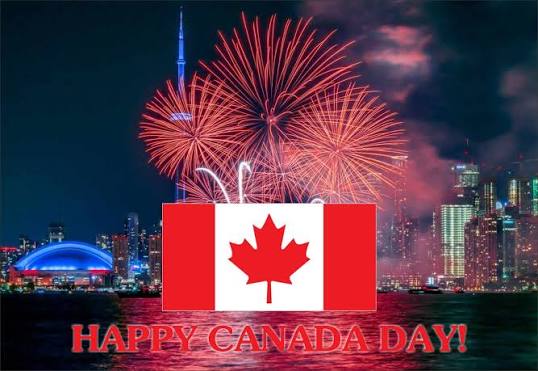
Every year on July 1, millions of people across Canada celebrate Canada Day, the country’s national holiday. Known for spectacular fireworks, patriotic parades, live concerts, and family gatherings, July 1 Canada Day marks the anniversary of the creation of modern Canada in 1867. It is a day filled with national pride, reflection, and celebrations that bring together Canadians from every province and territory.
In 2026, Canada celebrates its 159th anniversary of Confederation, with official ceremonies taking place in Ottawa and communities across the nation. While the day is festive, it also encourages Canadians to reflect on the country’s history, achievements, diversity, and the ongoing journey toward reconciliation with Indigenous peoples.
What Is Canada Day?
Canada Day is Canada’s official national holiday, celebrated every year on July 1. The holiday commemorates the day when the British North America Act (now known as the Constitution Act, 1867) united the colonies of Ontario, Quebec, Nova Scotia, and New Brunswick into the Dominion of Canada.
Although Canada remained connected to the British Empire for many decades afterward, July 1, 1867, marked the beginning of Canada’s path toward becoming the independent nation it is today.
Why Is July 1 Canada Day So Important?
The phrase “July 1 Canada Day” is significant because this date represents the birth of modern Canada.
On July 1, 1867:
- Four provinces officially formed Canada.
- The country gained self-governing status under British law.
- A new federal government was established.
- Canada began developing its own national identity.
This historic milestone is considered one of the most important events in Canadian history and remains the foundation of the annual celebrations.
The History of Canada Day
Canada Day has evolved considerably over the last century.
1868 – The First Celebration
Governor General Lord Monck encouraged Canadians to celebrate the anniversary of Confederation just one year after Canada was formed.
1879 – Dominion Day
The Canadian government officially recognized July 1 as a public holiday called Dominion Day.
1967 – Canada’s Centennial
The country’s 100th anniversary brought nationwide celebrations, attracting international attention and strengthening national pride.
1982 – Canada Day
Following the patriation of the Constitution, Parliament officially renamed Dominion Day as Canada Day, the name still used today.
How Canada Day Is Celebrated
Celebrations vary across Canada, but several traditions are common nationwide.
Fireworks Displays
Fireworks remain the highlight of Canada Day celebrations. Cities host large evening displays that attract thousands of spectators.
Community Festivals
Local festivals often include:
- Food vendors
- Live entertainment
- Cultural performances
- Children’s activities
- Carnival rides
National Ceremonies
The largest official events take place in Canada’s Capital Region, featuring speeches, military ceremonies, music performances, and nationally televised celebrations.
Family Gatherings
Many Canadians celebrate with:
- Backyard barbecues
- Picnics
- Camping trips
- Beach outings
- Family reunions
Wearing Red and White
People proudly wear Canada’s national colors while displaying the iconic maple leaf flag.
Canada Day 2026 Celebrations
Canada Day 2026 marks the 159th anniversary of Confederation.
Official celebrations include:
- National noon ceremony
- Evening concert
- Fireworks
- Cultural performances
- Indigenous programming
- Live broadcasts across Canada
Communities from coast to coast organize local events, allowing Canadians to celebrate wherever they live.
Canada Day in Ottawa
The nation’s capital hosts Canada’s biggest Canada Day celebration.
Major attractions include:
- Live musical performances
- Military bands
- Family entertainment
- Indigenous cultural presentations
- Fireworks over the capital
- National ceremonies featuring Canadian leaders
In recent years, celebrations have expanded beyond Parliament Hill to larger venues capable of hosting more visitors.
Canada Day Traditions
Many traditions have become synonymous with July 1 Canada Day.
Popular customs include:
- Singing “O Canada”
- Raising the Canadian flag
- Watching fireworks
- Visiting historical sites
- Attending multicultural festivals
- Enjoying Canadian foods
- Participating in community parades
The day reflects Canada’s multicultural identity and welcomes participation from people of all backgrounds.
Canada Day Foods
Food plays an important role in celebrations.
Popular Canada Day favorites include:
- Barbecue burgers
- Hot dogs
- Poutine
- Maple syrup desserts
- Butter tarts
- Nanaimo bars
- Ice cream
- Fresh summer fruits
Many families organize outdoor cookouts and neighborhood gatherings.
Canada Day and Indigenous Communities
In recent years, Canada Day has also become a time for reflection.
Many Canadians acknowledge that while Confederation marked the beginning of modern Canada, Indigenous peoples have lived on these lands for thousands of years before 1867.
Today, many celebrations include:
- Indigenous performances
- Educational exhibits
- Cultural storytelling
- Traditional music
- Recognition ceremonies
These initiatives encourage understanding, reconciliation, and respect alongside national celebrations.
Is Canada Day a Public Holiday?
Yes.
Canada Day is a federal statutory holiday.
Most government offices, banks, schools, and many businesses close on July 1, while parks, festivals, museums, and tourist attractions often remain open for celebrations.
Some provinces may have slightly different holiday rules, but Canada Day is widely observed across the country.
Interesting Facts About Canada Day
Here are some fascinating facts about July 1 Canada Day:
- Canada became a federation on July 1, 1867.
- The holiday was originally called Dominion Day.
- It officially became Canada Day in 1982.
- Canada now consists of 10 provinces and 3 territories.
- The maple leaf remains Canada’s most recognized national symbol.
- Ottawa hosts one of the country’s largest annual celebrations.
- Millions of Canadians watch nationally televised ceremonies every year.
Why Canada Day Matters Today
Canada Day is more than fireworks and celebrations.
It represents:
- National unity
- Cultural diversity
- Democratic values
- Freedom
- Community spirit
- Respect for history
- Hope for the future
For many Canadians, July 1 is both a celebration of national achievements and an opportunity to recognize the country’s continuing efforts toward inclusion and reconciliation.
Final Thoughts
Canada Day remains one of the country’s most important national celebrations. Every July 1, Canadians proudly commemorate the founding of their nation while celebrating its people, culture, and shared values.
Whether attending spectacular fireworks, enjoying a family barbecue, exploring local festivals, or watching national ceremonies from Ottawa, July 1 Canada Day offers a meaningful opportunity to reflect on Canada’s past and look ahead to its future.
As Canada marks its 159th anniversary in 2026, the holiday continues to unite communities across the country, celebrating the diversity, resilience, and spirit that define the Canadian nation. (Canada)