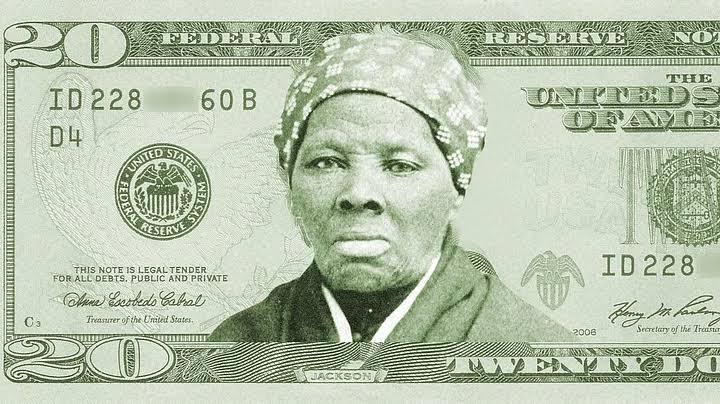
The long-debated proposal to feature Harriet Tubman on the U.S. $20 bill has once again been delayed after the Trump administration announced it is no longer moving forward with the redesign. The decision has reignited political debate over how America honors its historical figures and who deserves a place on the nation’s currency.
The plan, first introduced during the Obama administration and later revived under President Joe Biden, was expected to modernize the $20 bill by replacing President Andrew Jackson’s portrait with that of Harriet Tubman, one of the country’s most celebrated abolitionists and Underground Railroad conductors.
Now, Treasury Secretary Scott Bessent has confirmed that the administration is “not at present” pursuing the redesign, effectively putting the project on hold indefinitely. The announcement has sparked criticism from civil rights advocates while supporters of the administration argue the government should prioritize other issues.
What Was the Harriet Tubman $20 Bill Plan?
The proposal dates back to 2016, when then-Treasury Secretary Jack Lew announced that Harriet Tubman would become the new face of the $20 bill.
The redesign was intended to:
- Honor Tubman’s role in ending slavery.
- Mark the growing recognition of women’s contributions to American history.
- Replace Andrew Jackson, whose legacy remains controversial because of his ownership of enslaved people and his policies toward Native Americans.
The announcement followed years of public campaigning urging the Treasury Department to place a woman on U.S. paper currency.
Initially, the redesigned note was expected to debut in 2020, coinciding with the 100th anniversary of the 19th Amendment, which granted women the right to vote. However, the timeline repeatedly slipped because of security redesign schedules and administrative changes.
Why Has the Trump Administration Put the Plan on Hold?
According to Treasury Secretary Scott Bessent, the Treasury Department is not currently pursuing the Harriet Tubman redesign.
Bessent explained that redesigning U.S. currency is an extensive process involving years of planning, security testing, anti-counterfeiting technology, and production preparation.
Although no detailed policy explanation accompanied the announcement, the administration indicated that redesigning existing currency is not a current priority.
Trump’s Longstanding Opposition
The latest announcement is consistent with Donald Trump’s previous position.
During his 2016 presidential campaign, Trump criticized replacing Andrew Jackson with Harriet Tubman, describing the move as an example of “political correctness.” Instead, he suggested Tubman could be honored on another denomination rather than replacing Jackson.
Throughout Trump’s first administration, the project experienced delays, with Treasury officials pointing to security redesign schedules rather than political motivations. Critics, however, argued the postponements reflected political opposition to the proposal.
Biden Administration Attempted to Revive the Project
When President Joe Biden entered office in 2021, his administration quickly announced plans to resume the effort.
Former White House Press Secretary Jen Psaki stated that American currency should better reflect the nation’s diversity and history.
Treasury Secretary Janet Yellen later indicated that the redesigned bill would likely enter circulation around 2030, though the schedule depended on the Bureau of Engraving and Printing’s broader currency modernization program.
Why Harriet Tubman Matters
Harriet Tubman remains one of America’s most respected historical figures.
Born into slavery in Maryland around 1822, Tubman escaped to freedom before repeatedly risking her own life to rescue dozens of enslaved people through the Underground Railroad.
Historians estimate she personally guided approximately 70 enslaved people to freedom while helping many more escape through carefully organized networks.
During the Civil War, Tubman also served the Union Army as:
- A scout
- A spy
- A nurse
- A military guide
Her courage transformed her into a lasting symbol of freedom, equality, and civil rights.
Today, schools, museums, memorials, and educational institutions across the United States commemorate her legacy.
Why Andrew Jackson Remains Controversial
Andrew Jackson served as the seventh President of the United States and has appeared on the $20 bill since 1928.
Supporters praise Jackson for expanding democratic participation among white male voters and shaping the modern presidency.
Critics point to two major controversies:
- His ownership of enslaved people.
- The Indian Removal Act, which resulted in the forced displacement of Native American tribes along the Trail of Tears.
These historical debates fueled calls to replace Jackson with Harriet Tubman on American currency.
Political Reactions
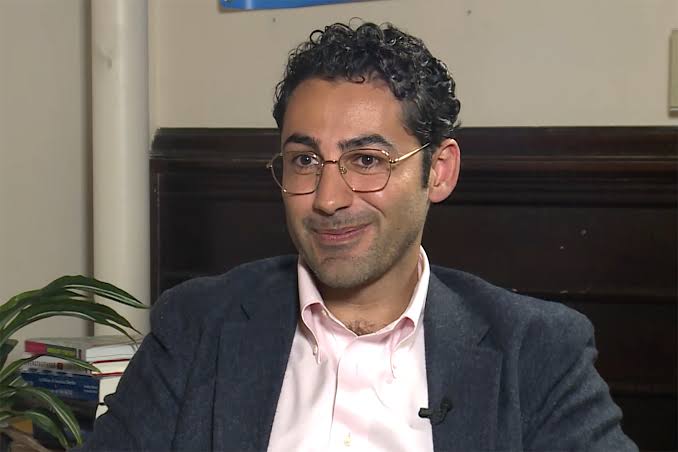
The administration’s decision immediately drew criticism from Democratic lawmakers and civil rights organizations.
Several lawmakers argued that honoring Harriet Tubman would recognize the sacrifices made by African Americans and women throughout U.S. history.
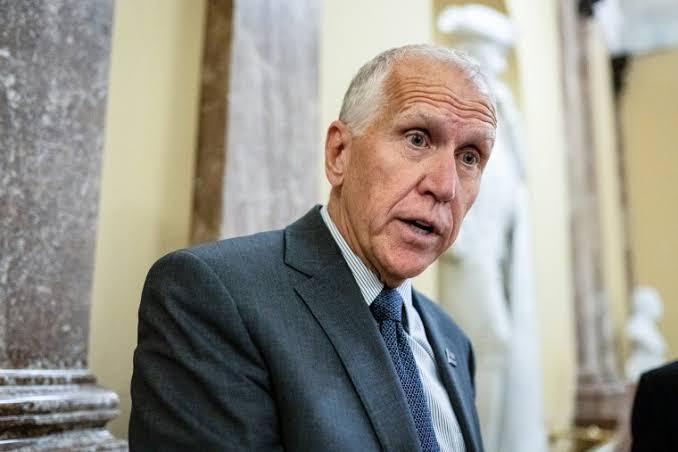
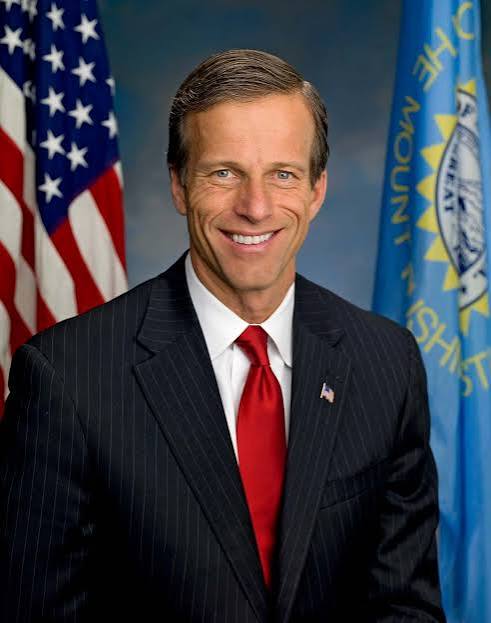
Some senators said postponing the redesign sends the wrong message about national priorities.
Meanwhile, supporters of the administration argue the Treasury Department should focus on financial security, inflation, anti-counterfeiting technology, and broader economic concerns rather than symbolic redesigns.
The debate illustrates how even changes to currency can become part of America’s larger political and cultural conversations.
Could the Tubman $20 Bill Return?
Yes.
The project has not been permanently canceled through legislation.
Instead, the Treasury Department has indicated that it is not currently moving forward with the redesign.
A future administration could revive the proposal just as the Biden administration attempted after Trump’s first term.
Because currency redesigns require years of preparation, any future change would likely take several years before entering circulation.
Why Currency Redesigns Take So Long
Many Americans assume changing a banknote simply requires printing a new portrait.
In reality, redesigning U.S. currency involves:
- Developing advanced anti-counterfeiting features.
- Testing accessibility improvements for visually impaired users.
- Updating printing technology.
- Coordinating production across federal agencies.
- Phasing old notes out of circulation.
These technical requirements explain why even approved redesigns often take years before reaching the public.
What This Means Going Forward
For now, Andrew Jackson will remain on the front of the $20 bill.
Harriet Tubman’s proposed appearance on American currency has once again become a political issue that could change depending on future administrations and Treasury priorities.
Although supporters continue advocating for the redesign, the latest announcement makes clear that it will not happen under the current administration’s immediate plans.
The debate reflects broader questions about how the United States remembers its history, celebrates national heroes, and represents its evolving identity through symbols that millions of Americans use every day.(Reuters)
Also Read: Mitch McConnell Health Emergency: Will He Return to the Senate? Learn about the latest health concerns surrounding the Senate Republican leader, what doctors have said, and how his condition could affect the balance of power in Congress.