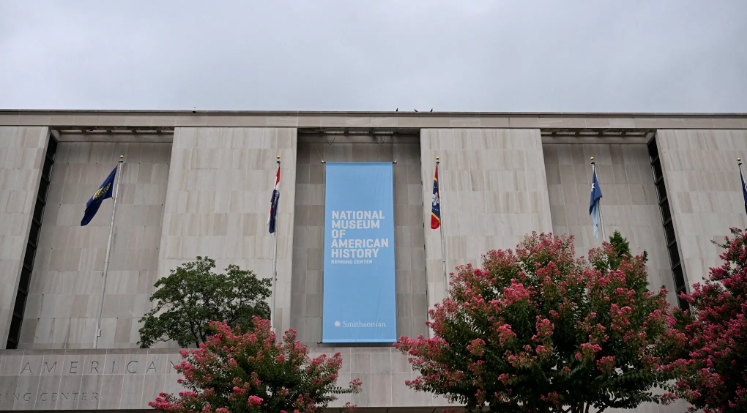
The White House has ignited a fresh political and cultural debate after releasing a report accusing the Smithsonian Institution’s leadership—particularly officials overseeing the National Museum of American History—of promoting what it describes as a “radical activist ideology.” The report argues that the museum has moved away from objective historical scholarship and instead presents exhibits that undermine confidence in America’s founding principles and institutions.
The criticism represents the latest chapter in the Trump administration’s broader effort to reshape how American history is presented in federally supported institutions. While supporters believe the administration is correcting ideological bias, critics argue it threatens the independence of museums and historical scholarship.
Here’s what the report says, why it matters, and what could happen next.
What Is the White House Report?
Released by the White House Domestic Policy Council over the Independence Day weekend, the report evaluates the Smithsonian Institution and focuses heavily on the National Museum of American History.
According to the administration, the museum no longer fulfills its mission of educating Americans through balanced historical scholarship. Instead, the report claims the institution has become influenced by political activism.
The report states that the current leadership “cannot be trusted to tell America’s story honestly” and alleges that museum exhibits increasingly portray the United States through themes of division, systemic injustice, and institutional failure rather than national achievement.
Why Does the Report Use the Term “Radical Activists”?
The phrase “radical activists” reflects the administration’s belief that Smithsonian leaders have embraced ideological positions instead of maintaining political neutrality.
Specifically, the report argues that museum exhibits:
- Emphasize America’s historical failures over its accomplishments.
- Focus heavily on race, identity, and systemic inequality.
- Present interpretations the administration considers politically one-sided.
- Encourage visitors to question traditional American institutions instead of celebrating their development.
According to the report, these choices represent an ideological transformation rather than impartial historical education.
The Trump Administration’s Broader Cultural Agenda
The Smithsonian report is not an isolated action.
Since returning to office, President Donald Trump has pursued policies aimed at reshaping federal cultural institutions.
Earlier initiatives included:
- Executive actions targeting what the administration calls “divisive ideology.”
- Reviews of federally funded museums and historical exhibits.
- Efforts to ensure America250 celebrations emphasize patriotism and national unity.
- Increased oversight of federal cultural programming.
Administration officials argue these measures restore historical accuracy rather than rewrite history.
What Specifically Does the Report Criticize?
The report highlights several concerns.
1. Historical Interpretation
Officials argue exhibits focus excessively on America’s mistakes while giving insufficient attention to democratic progress, innovation, constitutional government, and national achievements.
2. Educational Mission
The administration says museums should educate rather than advocate political viewpoints.
According to the report, educational content should present historical facts without encouraging visitors toward particular ideological conclusions.
3. Public Trust
The White House claims federally supported museums should serve Americans across the political spectrum and avoid narratives that appear partisan.
Smithsonian Leadership Responds
Smithsonian Secretary Lonnie Bunch has defended the institution’s approach to public history.
Speaking separately before the report’s release, Bunch emphasized that understanding both America’s successes and shortcomings strengthens democracy rather than weakens it.
He argued that museums have a responsibility to present complex history honestly while helping Americans understand how the nation continues striving toward its founding ideals.
Critics Push Back
Historians, museum professionals, and several political leaders argue the White House report risks politicizing historical scholarship.
Critics contend that:
- Museums should remain independent from political administrations.
- Historical interpretation naturally evolves as new research emerges.
- Presenting difficult chapters of American history is essential for education.
- Government intervention could threaten academic freedom.
Some have described the report as an attempt to influence historical narratives for political purposes.
Could Smithsonian Leadership Change?
The report has fueled speculation that the administration may seek leadership changes within the Smithsonian.
Although no official personnel actions have been announced, the language suggests the administration believes institutional reforms are necessary.
Whether those reforms involve leadership replacements, revised exhibit guidelines, or funding conditions remains uncertain.
Why This Matters
The Smithsonian Institution is among the world’s largest museum and research organizations, welcoming millions of visitors each year.
Because it receives federal support and serves as a major public educational institution, debates over its exhibits often become national political issues.
The current dispute reflects broader disagreements about:
- How American history should be taught.
- Whether museums should emphasize historical injustices or national achievements.
- The appropriate relationship between government oversight and scholarly independence.
- The role of public institutions during periods of political polarization.
These questions extend beyond the Smithsonian and affect education, public history, and cultural policy across the United States.
What Happens Next?
Observers expect continued debate over federal cultural policy throughout the America250 celebrations.
Possible developments include:
- Additional reviews of Smithsonian exhibits.
- Recommendations for exhibit revisions.
- Congressional discussions regarding museum funding.
- Continued public debate over historical interpretation.
Whether these proposals become permanent policy will likely depend on future administrative decisions, congressional action, and responses from Smithsonian leadership.
Final Thoughts
The White House report’s characterization of Smithsonian leadership as “radical activists” marks one of the administration’s strongest criticisms of a major American cultural institution. Supporters argue the report seeks to restore balanced historical education and patriotic storytelling, while critics warn it could undermine museum independence and scholarly integrity.
As the debate unfolds, the controversy is likely to remain central to broader conversations about American identity, public history, and the role of federally funded museums in interpreting the nation’s past.
Want to learn more about recent White House controversies? Read our detailed guide on Trump and Obama Air Force One Controversy Explained: What Really Happened to understand another major political debate involving the White House and presidential history.