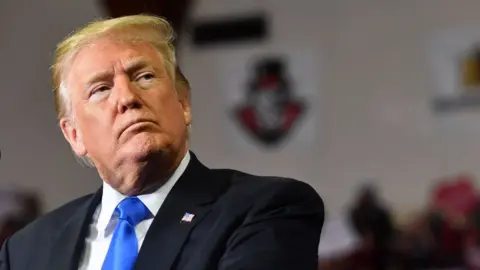
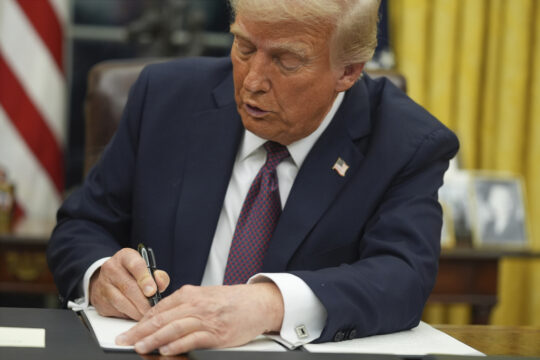
President Donald Trump has granted pardons to nine individuals convicted in connection with aftermarket diesel emissions violations, marking another significant shift in federal environmental enforcement. The move has reignited debate over vehicle modification rights, Clean Air Act enforcement, and the balance between environmental regulations and consumer freedom.
The pardons, announced during the Independence Day holiday period, primarily benefited individuals convicted of disabling emissions control systems or selling aftermarket devices designed to bypass federally required pollution controls. Trump described many of the prosecutions as unfair and politically motivated, arguing that ordinary mechanics and small business owners were targeted for simply modifying diesel vehicles.
As environmental advocates express concern over the decision, supporters within the automotive aftermarket industry view the pardons as a victory for vehicle owners and the broader “Right to Repair” movement.
What Happened?
President Trump issued a total of 11 pardons, with nine specifically involving convictions under the Clean Air Act related to aftermarket diesel emissions modifications. The convictions generally involved:
- Selling emissions defeat devices
- Removing diesel particulate filters (DPFs)
- Disabling exhaust gas recirculation (EGR) systems
- Reprogramming engine software to bypass emissions testing
- Installing aftermarket tuning devices that increased engine performance while violating emissions standards
Federal prosecutors had argued that these modifications significantly increased harmful air pollutants released by diesel vehicles.
Why Were They Convicted?
The individuals were prosecuted under the U.S. Clean Air Act, which prohibits tampering with federally certified emissions control systems.
Many aftermarket diesel businesses specialize in performance upgrades, fuel economy improvements, or off-road tuning. However, federal law generally prohibits removing or disabling emissions equipment on vehicles operated on public roads.
Over the past several years, federal agencies increased enforcement against companies selling “delete kits” or software that allowed trucks to bypass emissions regulations.
According to prosecutors, these modifications could dramatically increase emissions of nitrogen oxides (NOx) and particulate matter, pollutants linked to respiratory illness and poor air quality.
Trump’s Justification
Trump defended the pardons by arguing that many of those convicted were victims of regulatory overreach.
In public statements, he suggested that mechanics and diesel enthusiasts were punished for “fixing their cars” rather than committing serious crimes. He criticized the previous administration’s enforcement strategy and described it as an example of excessive government regulation.
Supporters argue that:
- Small repair shops were unfairly targeted.
- Regulations became overly burdensome.
- Vehicle owners deserve greater freedom to modify their own property.
- Criminal prosecution was too severe for non-violent regulatory violations.
Connection to the Right to Repair Movement
The pardons came shortly after the administration announced new guidance emphasizing Americans’ ability to repair diesel equipment.
Supporters believe vehicle owners should have broader rights to:
- Repair their engines
- Replace damaged components
- Modify vehicles for performance
- Use aftermarket replacement parts
Industry organizations have long argued that environmental rules unintentionally harmed independent repair shops and aftermarket manufacturers.
Recent policy changes indicate a broader effort to reduce restrictions on vehicle modifications while expanding opportunities for certified aftermarket components.
Environmental Concerns
Environmental organizations strongly criticized the pardons.
Experts note that emissions control systems are designed to reduce pollutants including:
- Nitrogen oxides (NOx)
- Fine particulate matter
- Hydrocarbons
- Carbon monoxide
Removing these systems can significantly increase pollution levels, particularly from heavy-duty diesel trucks.
Critics argue that weakening enforcement could encourage additional emissions tampering, making it harder for the United States to meet clean-air objectives.
Some also fear the decision sends a signal that environmental regulations may not be enforced consistently in the future.
Industry Reaction
The aftermarket automotive industry largely welcomed the decision.
Many diesel performance shops have argued for years that federal enforcement became increasingly aggressive, forcing small businesses to close or pay large fines.
Industry representatives say the pardons acknowledge that regulatory enforcement should distinguish between environmental crime and legitimate vehicle repair or performance work.
Several automotive advocacy groups have also called for clearer federal rules defining what modifications should remain legal.
Legal Background
Under the Clean Air Act:
- It is generally illegal to remove federally required emissions equipment from road-going vehicles.
- Manufacturing or selling defeat devices is prohibited.
- Businesses can face both civil and criminal penalties.
- Violators may receive substantial fines and prison sentences in serious cases.
Federal agencies have spent years pursuing cases against companies involved in emissions tampering, particularly within the diesel performance industry.
The recent pardons do not repeal these laws but eliminate criminal penalties for the individuals who received clemency.
Political Significance
The pardons also reflect Trump’s broader regulatory philosophy.
Throughout his political career, Trump has advocated:
- Reducing federal regulations
- Expanding energy production
- Supporting manufacturing industries
- Limiting environmental restrictions viewed as harmful to businesses
Supporters see the pardons as consistent with those priorities.
Opponents argue they weaken environmental protections and undermine years of federal enforcement.
The decision is likely to remain part of the broader political debate surrounding environmental regulation, automotive policy, and executive clemency powers.
What Happens Next?
Although these nine convictions have been pardoned, federal emissions laws remain in effect.
Repair shops and aftermarket manufacturers must still comply with Clean Air Act requirements unless Congress changes existing legislation or federal agencies revise enforcement policies.
Industry observers expect continued discussion surrounding:
- Right-to-repair legislation
- Diesel performance regulations
- EPA enforcement priorities
- Future emissions standards
Meanwhile, environmental organizations are expected to continue advocating for stronger enforcement of vehicle emissions laws.
Final Thoughts
President Trump’s decision to pardon nine individuals convicted in the aftermarket diesel emissions violations case represents more than an act of executive clemency. It highlights the ongoing conflict between environmental regulation and consumer freedom, particularly within the automotive aftermarket industry.
Supporters view the move as correcting what they see as excessive government enforcement against mechanics and small businesses. Critics warn it may weaken environmental protections and encourage future violations of emissions standards.
As debates over vehicle modification rights, emissions regulations, and federal oversight continue, this decision is likely to remain a significant moment in the evolving relationship between environmental policy and automotive regulation.
Read Next: Exclusive News: Walmart Price Cuts Spark Trump Credit Claim Amid Consumer Relief to learn how President Trump also claimed credit for Walmart’s recent price reductions and the political debate surrounding consumer savings.